Did you know that undetected water leaks account for over one trillion gallons of wasted water annually in the U.S. alone, often leading to thousands of dollars in property damage? Mastering water leakage detection and quick intervention strategies isn’t just about saving money; it’s about safeguarding your home’s structural integrity, protecting your valuables, and maintaining a healthy living environment. From hidden pipe bursts to slow, insidious drips, understanding the signs and knowing how to react promptly can prevent minor inconveniences from escalating into catastrophic issues. This guide will equip you with the essential knowledge to become your own first line of defense against water damage, ensuring your peace of mind.
Quick Answer: Effective water leakage detection involves routine visual inspections, monitoring water bills for unexplained spikes, and utilizing modern moisture sensors. Quick intervention strategies include immediate water shut-off, containing the leak, and contacting professionals promptly to minimize property damage and prevent mold growth.
Understanding Common Leak Sources
Water leaks often originate from predictable areas within a home or commercial property, making them easier to anticipate and detect with a keen eye. Common culprits include aging plumbing systems, particularly pipes in walls, under sinks, and within ceilings that are prone to corrosion or pressure-related bursts. Appliances like washing machines, dishwashers, and water heaters are also frequent sources, often due to faulty hoses, seals, or internal component failures. Even seemingly minor issues, such as a dripping faucet or a running toilet, can contribute significantly to water waste and potential damage over time if left unaddressed.
Beyond internal plumbing, external factors play a crucial role in water intrusion. Roof leaks, often caused by damaged shingles, flashing, or clogged gutters, can allow water to seep into attics and walls, creating widespread damage. Foundation cracks, poor drainage around the property, or compromised window and door seals also present pathways for water to enter the building envelope. Understanding these varied sources is the first step in developing a comprehensive leak prevention and detection plan, allowing homeowners and property managers to focus their inspection efforts where they are most likely to yield results.
Early Detection Techniques for Homeowners
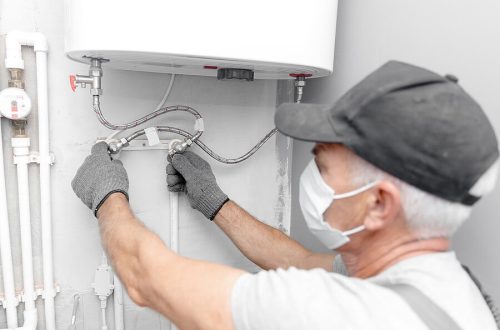
Proactive early detection is paramount in mitigating the financial and structural impact of water leaks. One of the simplest yet most effective methods is regularly monitoring your water meter. Take a reading before going to bed and then again in the morning, ensuring no water was used overnight. If the reading has changed, it indicates a leak somewhere in your system. Additionally, visually inspecting exposed pipes, under sinks, around toilets, and behind appliances for visible moisture, drips, or discoloration can reveal developing issues before they become major problems. Don’t forget to check your hot water heater for puddles or corrosion at its base.
Beyond visual checks, paying attention to your senses can often reveal hidden leaks. A musty odor, unexplained damp spots on walls or ceilings, or peeling paint are all strong indicators of concealed moisture. The sound of running water when no fixtures are in use can point to a leak within walls or underground. For a more technological approach, consider investing in smart water leakage detection devices, which can be placed near high-risk areas like water heaters or sump pumps. These sensors alert you via a smartphone app at the first sign of moisture, providing critical time to intervene and prevent extensive water damage in 2026.
Leveraging Smart Home Technology
The advent of smart home technology has revolutionized water leakage detection, offering unprecedented levels of monitoring and control. Modern smart leak detectors, often small puck-like devices, use conductive pads to sense even minute amounts of water. Upon detection, they can send instant alerts to your smartphone, trigger an audible alarm, or even integrate with smart home hubs to initiate automated responses. Some advanced systems can monitor water flow throughout your entire home, learning your typical usage patterns and flagging unusual consumption that might indicate a hidden leak, such as a pipe burst in an unoccupied area.
Beyond simple sensors, smart water shut-off valves represent the ultimate quick intervention strategy. These devices connect directly to your home’s main water line and can automatically or remotely shut off the water supply when a leak is detected by connected sensors. This capability is invaluable for preventing catastrophic flooding, especially when you are away from home or asleep. Integrating these systems into your home offers peace of mind, knowing that your property is protected 24/7, significantly reducing the potential for extensive water damage and costly repairs in the event of an unforeseen plumbing issue.
Rapid Intervention Strategies
Once a water leak is detected, rapid intervention is crucial to minimize damage. The immediate priority is to shut off the water supply. Locate your home’s main water shut-off valve, which is typically found where the main water line enters your house, often in the basement, utility closet, or outside near the meter. If the leak is isolated to a specific fixture or appliance, you might be able to turn off the local shut-off valve beneath the sink or behind the toilet, allowing other parts of your home to retain water service. Knowing these locations beforehand is vital for a swift response.
After shutting off the water, the next step is to contain the water and begin the drying process. Use buckets, towels, and wet/dry vacuums to remove standing water. Ventilate the affected area by opening windows and using fans or dehumidifiers to promote drying and prevent mold growth. Document the damage with photos or videos for insurance purposes before attempting any repairs. For significant leaks or water damage, especially if it involves structural components or electrical systems, it is always best to contact a qualified plumber or water damage restoration specialist without delay. For further guidance on emergency preparedness, resources like the American Red Cross offer valuable insights.
Preventative Measures and Maintenance
Preventative maintenance is the cornerstone of avoiding future water leakage issues. Regularly inspect all visible plumbing, including pipes, fixtures, and appliance hoses, looking for signs of wear, corrosion, or drips. Replace old, brittle hoses on washing machines and dishwashers every 3-5 years, as these are common failure points. Periodically check the caulk and grout around bathtubs, showers, and sinks, repairing any cracks or gaps that could allow water penetration. Addressing minor issues promptly, such as tightening a loose connection or replacing a worn washer, can prevent them from escalating into major leaks.
Beyond internal plumbing, don’t neglect your home’s exterior. Ensure your gutters are clean and free-flowing, directing rainwater away from your foundation. Inspect your roof annually for damaged or missing shingles, especially after severe weather. Check your yard’s grading to confirm it slopes away from your house, preventing water from pooling near the foundation. For older homes, consider having a professional plumbing inspection every few years to assess the overall condition of your pipes and identify potential weaknesses before they fail. Investing in these preventative steps now can save you significant time, money, and stress in 2026 and beyond.
Key Takeaways
- Proactive monitoring of water bills and meter readings helps identify hidden leaks early.
- Smart leak detectors and automatic shut-off valves offer advanced protection and rapid response.
- Knowing the location of your main water shut-off valve is critical for immediate intervention.
- Regular maintenance and exterior property checks are essential to prevent future leaks and water damage.
Frequently Asked Questions
How can I detect a hidden water leak behind a wall?
Detecting a hidden leak often involves listening for dripping sounds, noticing unexplained musty odors, or observing visual cues like bubbling paint, warped baseboards, or persistent damp spots on walls or ceilings. An unexplained spike in your water bill or a continuously running water meter when no water is being used are also strong indicators. Specialized tools like moisture meters or thermal cameras can also help pinpoint the exact location without extensive demolition.
What should I do immediately after discovering a major water leak?
The very first step is to shut off the main water supply to your home to stop the flow and prevent further damage. If the leak is isolated, you might be able to use a local shut-off valve for that specific fixture. Next, try to contain the water with buckets and towels, and begin removing any standing water. Document the damage with photos for insurance and contact a professional plumber or water damage restoration company immediately for assessment and repair.
Can a small leak cause significant damage over time?
Absolutely. Even a seemingly insignificant drip can lead to substantial damage over weeks or months. Slow leaks can cause wood rot, compromise structural integrity, damage drywall, and create an ideal environment for mold and mildew growth. Mold, in particular, can spread rapidly and pose health risks, making even minor, persistent leaks a serious concern that requires prompt attention to protect your property and health.
How often should I check my home for water leaks?
It’s advisable to perform a quick visual inspection of common leak areas (under sinks, behind toilets, around appliances) at least once a month. A more thorough check, including monitoring your water meter, should be done quarterly. For exterior elements like roofs and gutters, annual inspections, especially before and after harsh weather seasons, are highly recommended. Regular checks are your best defense against unexpected and costly water damage.
Conclusion
Mastering water leakage detection and quick intervention strategies is an invaluable skill for any homeowner or property manager. By combining diligent observation, smart technology, and a proactive maintenance mindset, you can significantly reduce the risk of costly water damage and ensure the longevity of your property. Remember, a small drip today can become a flood tomorrow, so staying vigilant and prepared is key. What steps will you take this week to protect your home from potential water leaks?
- DIY Drywall Repair for Small Holes and Wall Cracks
- Sump Pump Failure During Heavy Rain: What to Do to Prevent Basement Flooding
- Property Damage Recovery After Water Exposure: An Essential Planning Guide
- Short Circuit Detection Techniques & Immediate Response Strategies: A Guide
- Critical Tool Handling Safety Protocols for Emergency Repairs