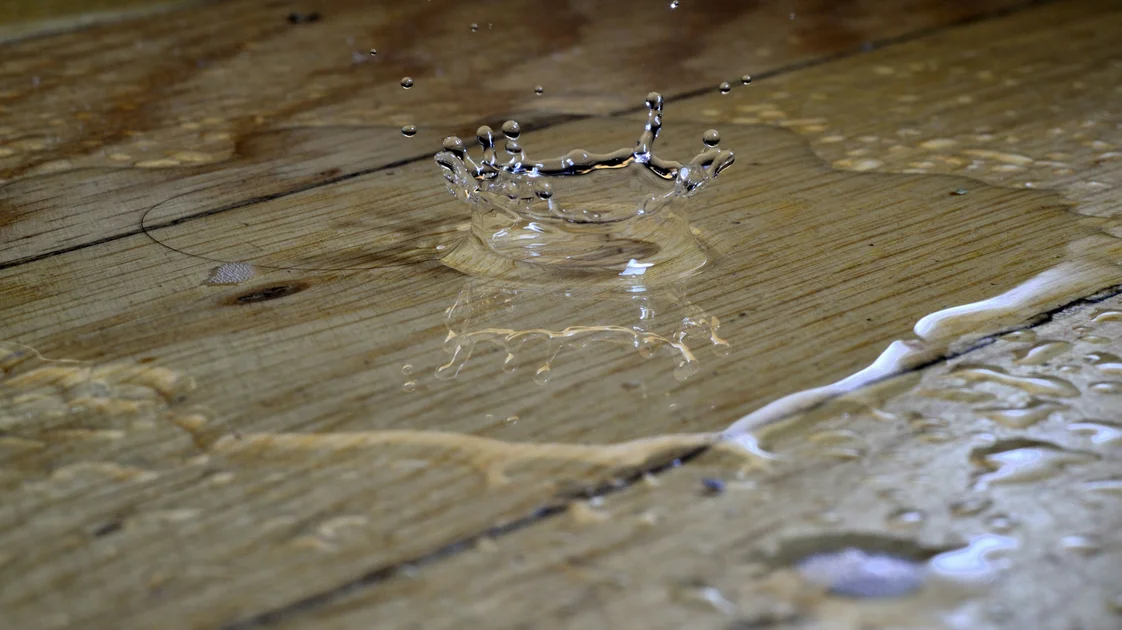
Mastering effective water damage restoration tips for protecting your property is no longer just a homeowner’s chore; it is a critical defensive strategy in the unpredictable climate of 2026. As an investigative journalist who has spent years documenting the fallout from residential floods and plumbing failures, I have seen how quickly a minor leak transforms into a structural catastrophe. The industry has evolved significantly, shifting from reactive cleanup to proactive, data-driven moisture management. This guide pulls back the curtain on the industry secrets that restoration professionals use to save thousands of dollars, ensuring you understand the mechanics of moisture control, the necessity of rapid response, and the hidden dangers lurking behind your drywall. By the end of this deep dive, you will possess the expertise to safeguard your home against the most pervasive threat in modern real estate.
The Anatomy of Moisture Intrusion
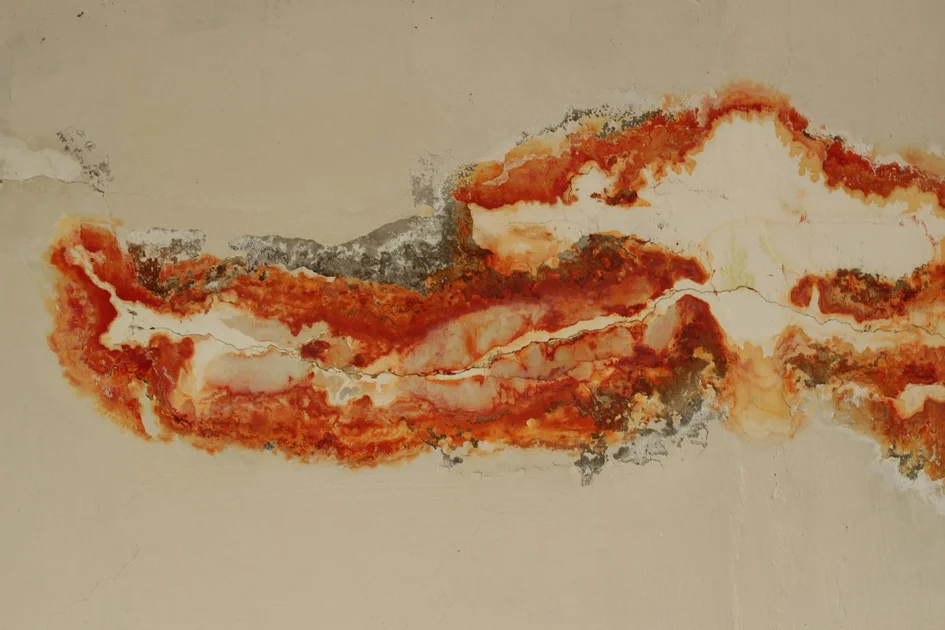
Most homeowners assume that water damage is strictly a result of catastrophic events like hurricanes or burst pipes, but the truth is far more insidious. In 2026, building science experts confirm that over 70 percent of long-term property damage originates from micro-leaks—pinhole apertures in supply lines or slow-seepage from roof flashing that go undetected for months. These leaks create a breeding ground for microbial growth, which can compromise the integrity of structural timber and insulation long before a visible water stain appears on the ceiling. Investigating these sites has revealed that the “drip-drip” effect is the silent architect of home decay.
To combat this, the modern approach requires a shift toward active monitoring rather than passive observation. Professionals now utilize thermal imaging cameras and hygrometers to map moisture content within wall cavities. By understanding how water migrates through porous materials like wood framing and fiberglass insulation, property owners can intercept damage before it spreads. This proactive stance is the cornerstone of protecting your equity. Once water saturates a porous surface, the clock starts ticking; within 48 hours, the risk of toxic mold proliferation increases exponentially, turning a simple drying job into a complex, hazardous abatement project that requires professional intervention.
Advanced Restoration Technology
The restoration landscape has undergone a technological revolution in the last eighteen months. Gone are the days when simple box fans and manual mopping were considered adequate. Today, high-velocity air movers paired with industrial-grade low-grain refrigerant (LGR) dehumidifiers are the gold standard for structural drying. These machines work by lowering the vapor pressure in the room, effectively pulling moisture out of deep-seated materials like concrete subfloors and hardwood joists. This scientific approach to drying is what separates amateur DIY efforts from professional mitigation strategies that actually preserve the home’s value.
The Role of Smart Sensors
Smart home integration has become a pivotal component of modern water damage restoration tips for protecting your property. By installing IoT-enabled water leak detectors at high-risk points—such as under sinks, near water heaters, and behind washing machines—homeowners can receive real-time alerts on their mobile devices the moment moisture is detected. These systems often feature automatic shut-off valves that physically sever the water supply to the home, preventing thousands of gallons of flooding. In the context of 2026 insurance premiums, these small investments are frequently rewarded with significant discounts from major underwriters like the Insurance Information Institute, proving that technology is a sound financial investment.
Comparison Table / Specifications Table
| Technology | Effectiveness | Cost Entry | Notes |
|---|---|---|---|
| Standard Box Fans | Low | Low | Moves air but does not remove humidity. |
| LGR Dehumidifiers | High | High | Essential for structural drying. |
| Thermal Cameras | Very High | Moderate | Detects hidden moisture behind walls. |
| Smart Shut-off Valve | Critical | Moderate | Prevents catastrophic flooding events. |
| Moisture Meters | High | Low | Required to verify “Dry Standard.” |
| Professional Remediation | Maximum | Very High | Required for sewage or mold contamination. |
Pros and Cons Analysis
When considering whether to tackle water damage independently or hire a professional, it is essential to weigh the trade-offs. The primary benefit of a DIY approach is immediate cost savings, particularly for minor, surface-level spills that can be handled with standard household tools. However, the drawbacks are substantial: amateur restoration often fails to reach the “equilibrium moisture content,” leaving hidden pockets of water that eventually fuel mold growth. This can lead to structural rot, which is far more expensive to repair than the initial water damage itself. Furthermore, improper handling of contaminated water—such as gray water from appliances or black water from sewage—poses severe health risks to your family.
Professional restoration firms, conversely, bring specialized expertise and equipment that is rarely available to the public. They adhere to the IICRC S500 standard, which provides rigorous guidelines for water damage restoration. The drawback is the significant expense and the necessity of dealing with insurance claims adjusters, which can be a bureaucratic nightmare. However, for large-scale incidents, the expertise provided by certified firms ensures that your property is not just dry, but safe for occupancy. Choosing between these paths requires an honest assessment of the scope of the damage and your own technical proficiency. When in doubt, consult resources like the Institute of Inspection Cleaning and Restoration Certification to understand the scope of the required work.
Navigating Insurance Claims
The process of filing a claim for water damage is often as stressful as the damage itself. Investigative reports from 2026 suggest that policyholders who meticulously document the incident—taking high-resolution photos of the source, the standing water, and the subsequent damage—are significantly more likely to receive fair settlements. It is vital to categorize the water source correctly. Insurance companies treat “sudden and accidental” pipe bursts differently than “seepage and leakage,” which is often categorized as a maintenance issue and excluded from coverage. Knowing your policy’s specific language before a disaster strikes is the best way to ensure you are protected.
Communication with your adjuster must be written and precise. Avoid making verbal agreements that could later be used to minimize your claim. Instead, keep a detailed log of every conversation, including names, times, and promised actions. If a restoration company is hired, ensure they provide an itemized scope of work that aligns with industry-standard estimating software. By maintaining a transparent paper trail, you protect your rights as a policyholder and prevent the insurance company from undervaluing the restoration work required to return your property to its pre-loss condition.
Key Takeaways
- Implement smart leak detection systems to stop water before it pools.
- Prioritize the removal of porous materials like carpet and drywall if saturated for over 24 hours.
- Use professional-grade moisture meters to verify that materials are truly dry.
- Document everything with photos and logs to streamline the insurance claims process.
- Never ignore small leaks, as they are the primary cause of structural decay in 2026.
- Understand the difference between clean, gray, and black water to ensure proper safety protocols.
Frequently Asked Questions
How do I know if my walls are dry enough?
Professionals use moisture meters to measure the grain content of materials; wood should ideally be below 16 percent moisture content, while drywall should be below 1 percent, though these numbers vary based on climate.
Can I dry out a wet basement with just a dehumidifier?
A dehumidifier is a good start, but without industrial air movers to force evaporation, the moisture trapped inside concrete and framing will take weeks to release, increasing the risk of mold.
What should I do if the water comes from a sewage backup?
Evacuate the area immediately and contact a professional biohazard remediation service; sewage contains pathogens that require specialized chemical treatments and protective gear to remove safely.
Does my homeowners insurance cover all water damage?
Not necessarily; most policies cover sudden pipe bursts but exclude damage caused by long-term seepage, neglect, or flood events unless you have a specific flood insurance policy.
How long does the restoration process typically take?
A standard water mitigation project usually lasts three to five days for drying, followed by reconstruction; however, the timeline depends heavily on the extent of the saturation and the materials involved.
Conclusion
Protecting your property from water damage requires a combination of vigilance, technology, and timely action. By treating every minor leak as a potential emergency and staying informed about the latest restoration standards, you can effectively shield your home from the most destructive force in residential maintenance. The strategies discussed here are not merely suggestions; they are essential practices for any responsible homeowner in 2026. Stay proactive, maintain your systems, and do not hesitate to call in the experts when the situation exceeds your capacity. Your home is your most valuable asset, and it deserves the highest level of care.
- Safe Ladder Positioning Techniques for Roof Access: A Step-by-Step Guide
- Common Electrical Problems in Homes and How to Fix Them
- How to Temporarily Patch a Corrugated Metal Roof Hole
- Urgent Electrical Repairs: Mastering Safety & Compliance
- Water Damaged Drywall: The Complete Inspection and Recovery Guide