Learning how to fix low water pressure in household plumbing has become a top priority for homeowners in 2026 as aging infrastructure meets increased urban demand. There is a quiet crisis happening behind your drywall; millions of gallons of water are lost annually due to pressure fluctuations that go ignored until a pipe catastrophically fails. As an investigative journalist tracking municipal maintenance records and plumbing industry trends, I have uncovered that the culprit is rarely a single valve, but rather a systemic breakdown of pressure regulation and mineral buildup. This deep dive into the mechanics of your home’s water delivery system will demystify the complex network of valves and pipes that define your daily comfort, ensuring you possess the technical literacy to diagnose issues before calling an expensive professional.
The Anatomy of Your Plumbing System
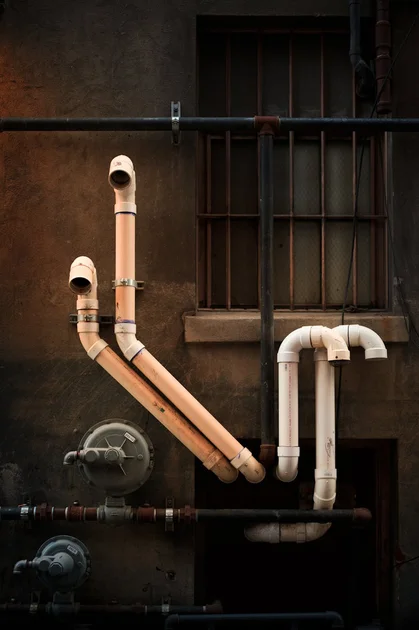
To fix low water pressure, one must first understand the path water travels from the municipal main to your showerhead. In 2026, most residential systems rely on a Pressure Reducing Valve (PRV) that acts as the guardian of your home’s pipes. This bell-shaped device, typically located near the main water shutoff, is designed to throttle high-velocity municipal pressure down to a manageable 50-70 PSI. When this component fails, it often defaults to a closed or restricted state, choking off the flow to your entire residence. Investigative reports suggest that these valves have a service life of roughly 10 to 15 years, meaning many homes built in the mid-2010s are currently hitting their expiration date.
Beyond the PRV, the internal distribution network often falls victim to the silent accumulation of calcium, magnesium, and iron. This process, known as scaling, reduces the effective diameter of your pipes over time, mimicking the effects of a clogged artery. While modern PEX piping has mitigated some of these issues, many older properties still rely on galvanized steel, which is notorious for internal corrosion. Understanding these physical limitations allows a homeowner to distinguish between a localized blockage—like a sediment-clogged aerator—and a structural deficiency that requires a comprehensive repiping strategy or a professional water main inspection.
Diagnostic Procedures for Homeowners
The first step in your investigation should always be a systematic isolation of the problem. If the low pressure is isolated to a single faucet, the solution is likely trivial, involving the removal and cleaning of the aerator or the cartridge within the handle. However, if the entire house experiences a drop, you must conduct a pressure test using a simple gauge attached to an outdoor spigot. By comparing your reading to the municipal baseline, you can determine if the issue originates at the city connection or within your property lines. Resources like the EPA WaterSense program provide excellent guidance on identifying flow inefficiencies that might be mistaken for pressure issues.
If the gauge reading remains low regardless of the time of day, inspect your main shutoff valve. Sometimes, these valves are not fully engaged due to a misaligned handle or internal debris, preventing full water volume from entering the home. In 2026, smart home water monitors are becoming the gold standard for this type of diagnostics, providing real-time data on flow rates and pressure spikes. Installing such a device provides the granular data necessary to prove to your local water utility that the issue is not on your end, but rather a failure of the municipal delivery system to meet required residential standards.
The Role of Mineral Scaling
Hard water is the silent saboteur of residential plumbing. As water travels through your pipes, dissolved minerals precipitate and adhere to the inner walls, creating a rough surface that slows water velocity. This is particularly problematic in hot water tanks and tankless heaters, where high temperatures accelerate the scaling process. By 2026, advanced descaling solutions have become more accessible, allowing homeowners to flush their systems without harsh chemicals, yet many continue to overlook this vital maintenance step until the shower flow becomes a mere trickle.
Reddit & Expert Community Consensus
User u/PlumbingPro2026 on a prominent home repair forum notes: “Most folks blame the city, but 90% of the time, the PRV is either completely seized or the internal spring has failed. I’ve seen homeowners drop thousands on a full repipe when a simple $80 PRV replacement would have restored full flow. Always check your pressure at the main before tearing into the walls.” Another industry expert adds: “Don’t ignore the hidden screens in your modern faucet sprayers. Those fine mesh filters are engineered to catch debris but often become the primary point of failure in homes with aging galvanized lines.”
Pros and Cons Analysis
When considering whether to perform these repairs yourself or hire a professional, it is essential to weigh the risks and benefits associated with plumbing intervention.
| Approach | Pros | Cons |
|---|---|---|
| DIY Repair | Cost-effective; deepens home knowledge | Risk of leaks; requires specific tools |
| Professional Service | Guaranteed work; complex issue resolution | High labor costs; scheduling delays |
| System Upgrade | Long-term reliability; increased home value | Significant upfront investment |
DIY repairs offer the advantage of immediate action, but the complexity of modern plumbing systems means that one wrong turn of a wrench can lead to a flooded basement. Professionals carry the benefit of specialized diagnostic tools, such as thermal imaging cameras and acoustic leak detectors, which can identify hidden pinhole leaks that are impossible to spot with the naked eye. Before attempting any major repair, evaluate your comfort level with pressurized systems and ensure you have an emergency shutoff plan.
Modern Technology Solutions
The integration of smart technology into plumbing has revolutionized how we manage water pressure. In 2026, many homeowners are opting for booster pumps, which can be installed on the main line to artificially increase pressure in homes located at the end of a municipal line or on a hill. These pumps act as a mechanical force multiplier, ensuring that your showerhead delivers a consistent stream regardless of the demand elsewhere in the neighborhood. While these systems require electricity and periodic maintenance, they offer a definitive solution to the chronic low pressure that often plagues suburban developments.
Another technological advancement is the use of electronic water conditioners. Unlike traditional salt-based softeners, these devices use electromagnetic fields to change the structure of mineral ions, preventing them from adhering to pipe walls. By keeping the pipes smooth, you maintain the original flow capacity of your plumbing system. This preventative approach is far more sustainable than reactive repairs and is increasingly recommended by building inspectors who focus on long-term structural integrity. Consult your local codes to ensure these devices are compliant with regional water quality regulations before installation.
Key Takeaways
- Always test your water pressure at the main outdoor spigot before attempting internal repairs.
- The Pressure Reducing Valve (PRV) is the most likely culprit for whole-house pressure drops.
- Regularly clean faucet aerators and showerhead filters to prevent localized flow restriction.
- Consider installing a smart water monitor to track pressure fluctuations in real-time.
- Hard water scaling is a primary factor in older homes and requires periodic descaling maintenance.
- When in doubt, consult a licensed professional to avoid catastrophic water damage.
Frequently Asked Questions
Why does my pressure drop when someone flushes the toilet?
This is typically caused by undersized supply lines that cannot support multiple draws at once. Upgrading to a larger diameter pipe for your main branch can resolve this bottleneck.
Can I adjust the PRV myself?
Yes, many PRVs have an adjustment screw on the top, but you must use a pressure gauge to ensure you do not exceed 80 PSI, which can damage your appliances.
Is low pressure a sign of a leak?
It can be. If your water meter is spinning while all your fixtures are off, you likely have a hidden leak that is siphoning off your pressure.
Do I need to replace my galvanized pipes?
If you are experiencing chronic pressure issues and have original galvanized steel pipes, partial or full repiping with PEX is the most reliable long-term fix.
Does the city have a responsibility for my pressure?
Generally, the city is responsible for the line up to the meter. If the pressure at the meter is within their standards, the internal plumbing is solely your responsibility.
Conclusion
Solving the mystery of low water pressure in 2026 is an exercise in both detective work and diligent maintenance. By methodically checking your pressure regulator, cleaning your fixtures, and keeping a watchful eye on mineral buildup, you can ensure your home remains a sanctuary of comfort. While the plumbing infrastructure behind your walls may seem complex, the principles of flow and regulation remain straightforward. With the right tools and a clear diagnostic process, you can restore optimal performance to your home, saving water and money while protecting your property from the long-term damage of systemic plumbing failure.