Learning how to evaluate if a foundation wall crack is expanding after heavy rain is a vital skill for every homeowner who wants to protect their investment and ensure their family’s safety. When the clouds open up and the ground becomes saturated, the pressure exerted against your basement walls increases significantly, often revealing vulnerabilities that were previously hidden. It is completely natural to feel a sense of worry when you spot a new fissure or notice an old one looking slightly different after a summer downpour. By taking a proactive and methodical approach to monitoring these changes, you can distinguish between harmless settling and serious structural threats. This guide will walk you through the essential steps to accurately track movement, understand the science of soil pressure, and determine exactly when it is time to call in a professional engineer for a closer look at your home’s bones.
Understanding Hydrostatic Pressure in 2026
As we navigate the changing weather patterns of 2026, many homeowners are finding that intense rainfall is putting unprecedented stress on residential foundations. The primary culprit behind expanding cracks is a phenomenon known as hydrostatic pressure, which occurs when the soil surrounding your home becomes oversaturated with water. This heavy, water-logged earth pushes against your foundation walls with immense force, seeking any path of least resistance. If your drainage system is overwhelmed, this pressure can cause existing hairline fractures to widen or force new ones to appear. Understanding that your foundation is constantly interacting with the environment is the first step in managing its long-term health and stability during wet seasons.
The type of soil surrounding your property plays a significant role in how much pressure is exerted during a storm. Clay-rich soils are particularly notorious for their expansive properties, as they soak up water like a sponge and expand in volume, creating a powerful lateral push against the concrete. Conversely, sandy soils may wash away, leading to a loss of support underneath the footing, which causes the wall to drop or tilt. By observing how water pools around your yard after a storm, you can gain insights into the specific stresses your foundation faces. Keeping a close eye on these environmental factors helps you anticipate when a foundation wall crack is expanding after heavy rain before the damage becomes a major financial burden.
Simple Visual Monitoring Techniques
One of the most effective ways to track foundation movement without expensive equipment is the pencil-mark method, which provides a clear visual baseline for future comparisons. To do this, find the very ends of the crack and draw a small, sharp line perpendicular to the fissure on the solid concrete. By dating these marks, you can see if the crack is “zippering” or growing longer over time as the soil shifts. It is also helpful to draw a line across the widest part of the crack to see if the two sides are moving away from each other. This low-tech approach is surprisingly reliable for identifying slow, incremental changes that might otherwise go unnoticed by the naked eye during a casual inspection.
Another helpful technique involves using common household items like masking tape or a thin layer of plaster of Paris to create a “bridge” over the crack. Apply a strip of tape tightly across the gap; if the foundation shifts or the crack widens after the next heavy rain, the tape will either wrinkle, stretch, or pop off entirely. Similarly, a small dab of rigid plaster will crack if even a tiny amount of movement occurs, providing an unmistakable sign of active structural shifting. These methods are excellent for providing peace of mind between professional inspections, as they offer immediate physical evidence of stability or instability. Consistency is key, so make sure to check these markers within twenty-four hours of any significant weather event to get the most accurate data.
Using Precision Tools for Tracking
If you want more detailed data, investing in a “tell-tale” crack monitor is a fantastic choice for any diligent homeowner. These simple plastic gauges consist of two overlapping plates; one plate is marked with a grid, and the other features a red crosshair. You bolt or glue the monitor directly over the crack, and as the wall moves, the crosshair shifts across the grid, allowing you to measure movement to the millimeter. This tool is invaluable because it tracks both horizontal and vertical displacement simultaneously, giving you a three-dimensional view of how your foundation is responding to moisture. Many structural engineers recommend these devices because they provide objective data that can be shared during a professional consultation.
Setting Up a Crack Monitoring Log
Maintaining a dedicated logbook is the best way to organize your findings and spot long-term trends in your home’s behavior. In this log, you should record the date, the amount of rainfall received, and the specific measurements taken from your crack monitors or manual gauges. Note any secondary observations, such as whether the basement felt more humid or if you noticed new water seepage near the site of the crack. Having a written history of how the foundation wall crack is expanding after heavy rain allows you to present a clear “medical history” of your home to a contractor. This level of detail can significantly speed up the diagnostic process and help ensure that any proposed repairs are truly necessary and effective.
For those who prefer digital tools, using a digital caliper can provide even more precise measurements than a standard ruler or tape measure. By measuring the width of the crack at the exact same point every month, you can track changes down to the thousandth of an inch. Ensure you mark the specific measurement points with a permanent marker so your data remains consistent over time. This precision is especially important if you are trying to determine if a crack is “active” or “dormant.” An active crack that changes with the seasons requires a different repair strategy than a dormant crack that has simply resulted from initial house settling. Being tech-savvy with your home maintenance in 2026 ensures you stay ahead of potential structural failures.
Comparing Surface Cracks vs Structural Issues
It is important to distinguish between minor cosmetic issues and those that threaten the structural integrity of your home. Hairline cracks, which are often less than one-sixteenth of an inch wide, are frequently the result of the concrete curing process or minor settling and usually do not indicate a major problem. However, when a crack begins to widen significantly or exhibits a “stair-step” pattern in brick or block walls, it often signals that the foundation is shifting or sinking. Understanding these differences helps you prioritize repairs and manage your home maintenance budget more effectively. The following table provides a quick reference to help you categorize the severity of the cracks you might find in your basement.
| Feature | Cosmetic/Settling Crack | Serious Structural Crack |
|---|---|---|
| Width | Less than 1/8 inch | Greater than 1/4 inch |
| Orientation | Vertical or diagonal | Horizontal or stair-step |
| Water Seepage | Rarely leaks | Often drips or stays damp |
| Movement | Remains static for years | Expands after heavy rain |
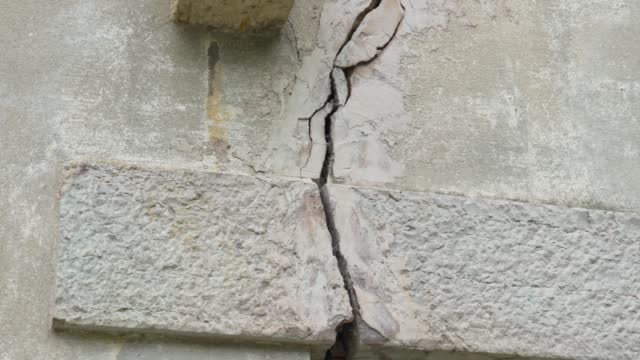
Horizontal cracks are particularly concerning because they often indicate that the foundation wall is bowing inward due to the sheer weight of the saturated soil outside. If you notice that the top of the wall is leaning into the basement or that the crack is wider at the top than the bottom, this is a sign of significant lateral pressure. In these cases, simply filling the crack with epoxy will not solve the underlying issue; the wall itself may need reinforcement with carbon fiber straps or steel beams. By comparing your observations against the criteria for structural damage, you can make informed decisions about the safety of your living space. Always err on the side of caution if you see a crack that is wider than a pencil or shows signs of rapid growth.
Signs of Active Movement Post-Storm
Beyond the crack itself, there are several secondary signs that can tell you if your foundation is currently in motion after a storm. One of the most telling indicators is the presence of fresh concrete dust or tiny chips of debris on the floor directly beneath a crack. This “spalling” occurs when the edges of the crack grind against each other as the wall shifts, shedding material in the process. If you clean the area and find new debris after the next rainfall, you have definitive proof that the crack is active and the wall is under stress. This physical evidence is often more reliable than memory alone when trying to gauge whether a situation is worsening over time.
You should also pay close attention to the operation of doors and windows on the upper floors of your home following a period of heavy precipitation. When a foundation shifts, it can throw the entire frame of the house out of alignment, causing doors to stick in their frames or windows to become difficult to open. Check for new cracks in the drywall above door frames or at the corners of windows, as these often mirror the movement happening in the basement below. According to the American Society of Home Inspectors, these interior signs are crucial diagnostic clues. While a single sticking door might be due to humidity, a sudden onset of multiple alignment issues after a storm is a strong signal that your foundation is reacting to the wet soil.
Professional Intervention and Repair Options
Knowing when to call in a professional is the most important part of learning how to evaluate if a foundation wall crack is expanding after heavy rain. If your measurements show consistent growth or if the crack has widened beyond a quarter of an inch, it is time to consult a structural engineer rather than a general contractor. An engineer provides an unbiased assessment and can design a repair plan tailored to your home’s specific needs without trying to sell you a particular product. In 2026, many experts are utilizing advanced imaging technology to see behind the walls and assess the soil condition, ensuring that the root cause of the movement is addressed. Taking action early can prevent a small crack from turning into a full wall failure.
Modern repair options have become much more efficient and less invasive than the heavy excavation required in the past. For minor expansion, high-pressure epoxy or polyurethane injections can seal the crack and restore the wall’s integrity while keeping water out. For more significant movement, carbon fiber reinforcement is a popular choice in 2026 because it is incredibly strong, thin, and can be painted over to remain almost invisible. If the problem is related to poor drainage, installing an interior or exterior French drain system may be necessary to divert water away from the foundation permanently. Organizations like FEMA emphasize the importance of proper grading and drainage to protect residential structures from water damage and soil-related movement.
Key Takeaways
- Hydrostatic pressure from saturated soil is the leading cause of crack expansion after heavy rain.
- Use the pencil-mark or tape method to create a baseline for monitoring visual changes.
- Tell-tale gauges offer the most accurate way to measure horizontal and vertical movement.
- Horizontal and stair-step cracks are generally more dangerous than vertical hairline fractures.
- Secondary signs like sticking doors and fresh concrete dust indicate active foundation shifting.
- Consult a structural engineer if a crack exceeds 1/4 inch or shows rapid growth during storms.
Frequently Asked Questions
Is it normal for new houses to have foundation cracks?
Yes, it is very common for new homes to develop minor hairline cracks within the first few years as the structure settles into the soil and the concrete fully cures. These are typically vertical and very thin, posing no threat to the structural integrity of the home. However, you should still monitor them after heavy rain to ensure they are not widening or allowing water to seep into the basement, which could indicate a drainage issue.
How much rainfall does it take to move a foundation?
There is no specific number of inches, as it depends largely on the soil type and your home’s drainage system. However, “saturation events,” where it rains steadily for several days, are usually more impactful than a single short-lived thunderstorm. When the ground can no longer absorb water, the hydrostatic pressure builds up rapidly against your walls, which is when you are most likely to see expansion in existing cracks.
Can I fix an expanding crack myself with caulk?
While you can apply caulk to keep bugs out, standard hardware store caulk is not a structural repair and will not stop a crack from expanding. In fact, using the wrong material can make it harder for a professional to apply a proper epoxy injection later. If a crack is actively moving after rain, the underlying pressure issue must be addressed first, or any surface-level patch will simply pull apart the next time the soil gets wet.
Does homeowners insurance cover foundation crack repairs?
In most cases, standard homeowners insurance does not cover repairs for cracks caused by settling, hydrostatic pressure, or earth movement. Insurance is generally designed to cover sudden, accidental events like a pipe bursting rather than gradual maintenance issues. However, if the crack was caused by a specific covered peril like a major flood (if you have flood insurance), you might have a claim, so it is always worth reviewing your policy with your agent.
What is the most dangerous type of foundation crack?
Horizontal cracks located mid-way up a basement wall are considered the most dangerous because they indicate that the wall is failing under lateral pressure. This type of crack suggests the wall is bowing and could eventually collapse if the pressure is not relieved. If you see a horizontal crack, especially one that is leaking water or looks wider than it did previously, you should contact a structural expert immediately to discuss reinforcement options.
Conclusion
Staying vigilant about your home’s foundation is one of the best ways to ensure long-term peace of mind and financial security. By learning how to evaluate if a foundation wall crack is expanding after heavy rain, you empower yourself to act before minor issues become major disasters. Remember to use consistent monitoring tools, keep a detailed log of your findings, and never ignore the secondary signs of movement like sticking doors or fresh debris. With the right approach and professional guidance when needed, you can keep your home’s foundation strong and dry for many years to come.
- Quick Fix Guide: Temporarily Seal a Leaking Water Heater Drain Valve
- Water Leak Detection & Rapid Intervention: Prevent Costly Damage
- Water Damage Restoration Tips for Protecting Your Property
- How to Stop Kitchen Sink Backflow Immediately: A Quick Guide
- How to Clean Concrete Floors After a Sewage Backup: A Step-by-Step Guide