Dealing with a mess in the basement or garage is never a pleasant experience, but finding a comprehensive step by step guide to cleaning a concrete floor after a sewage backup can make a daunting task feel much more manageable. When wastewater overflows into your home, it brings more than just a foul odor; it introduces harmful bacteria, viruses, and pathogens that require immediate and thorough attention to ensure your safety. I know how overwhelming this feels, but with the right approach and a bit of patience, you can restore your space to a safe and clean condition. In this 2026 guide, we will walk through the essential safety precautions, the necessary supplies, and the specific cleaning techniques needed to ensure your concrete floors are properly sanitized. Concrete is surprisingly porous, so simply mopping the surface won’t be enough to get the job done right. Let’s take a deep breath and tackle this together, step by step, so you can get back to enjoying a healthy home environment without the stress of lingering contamination.
Prioritizing Safety and Personal Protection
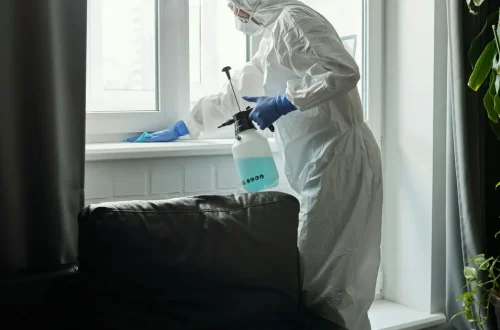
Before you even think about touching the affected area, you must prioritize your personal health and safety above everything else. Sewage contains a variety of biohazards, including E. coli, Salmonella, and Hepatitis A, which can cause serious illness if they come into contact with your skin or are accidentally ingested. To protect yourself, you should wear heavy-duty rubber boots, waterproof gloves, and a high-quality N95 respirator mask to avoid inhaling any airborne particles during the cleanup process. It is also wise to wear disposable coveralls or old clothing that you are prepared to discard or wash separately in extremely hot water once the job is finished. According to safety guidelines from the CDC, preventing direct contact with contaminated water is the most critical step in avoiding infection during a home restoration project.
In addition to personal protective equipment, you need to ensure the environment itself is safe for you to work in for extended periods. Start by turning off the electricity to the affected area at the main breaker box to prevent any risk of electrocution while working with standing water and liquid cleaners. You should also maximize ventilation by opening all nearby windows and doors, and if possible, set up high-powered fans to exhaust air directly outside the home. Proper airflow not only helps to dissipate the intense odors associated with sewage but also speeds up the drying process, which is essential for preventing the growth of mold and mildew later on. Always keep children and pets far away from the site until the entire area has been professionally cleared and sanitized to ensure their well-being.
Removing Standing Water and Solid Waste
The first physical step in the restoration process is the removal of all standing water and solid debris from the concrete surface. You can use a heavy-duty wet/dry vacuum specifically designed for liquid extraction, but make sure it is equipped with a filter that can handle biological waste without clogging. For larger volumes of water, a submersible pump might be necessary to quickly clear the area before the moisture has a chance to penetrate deeper into the concrete pores. As you work, be extremely careful to avoid splashing the contaminated water onto your skin or any nearby clean surfaces, as this can spread the pathogens further than the initial spill. Once the liquid is gone, use a shovel or a sturdy scraper to remove any remaining solid waste and place it directly into heavy-duty plastic trash bags for immediate disposal.
Proper disposal of contaminated items is just as important as the cleaning itself to prevent secondary contamination in your neighborhood. Check with your local municipality to see if there are specific regulations for disposing of biohazardous waste, especially when dealing with large-scale sewage backups in 2026. Any porous materials that were in direct contact with the sewage, such as cardboard boxes, old rugs, or drywall scraps, should generally be discarded rather than cleaned, as they are nearly impossible to fully sanitize. After the bulk of the waste is removed, you should do a preliminary rinse of the concrete floor using clean, clear water to wash away any visible silt or residue. This initial rinse prepares the surface for the deep cleaning and disinfection stages by removing the layers of grime that might shield bacteria from your cleaning solutions.
Detailed Steps for Deep Scrubbing
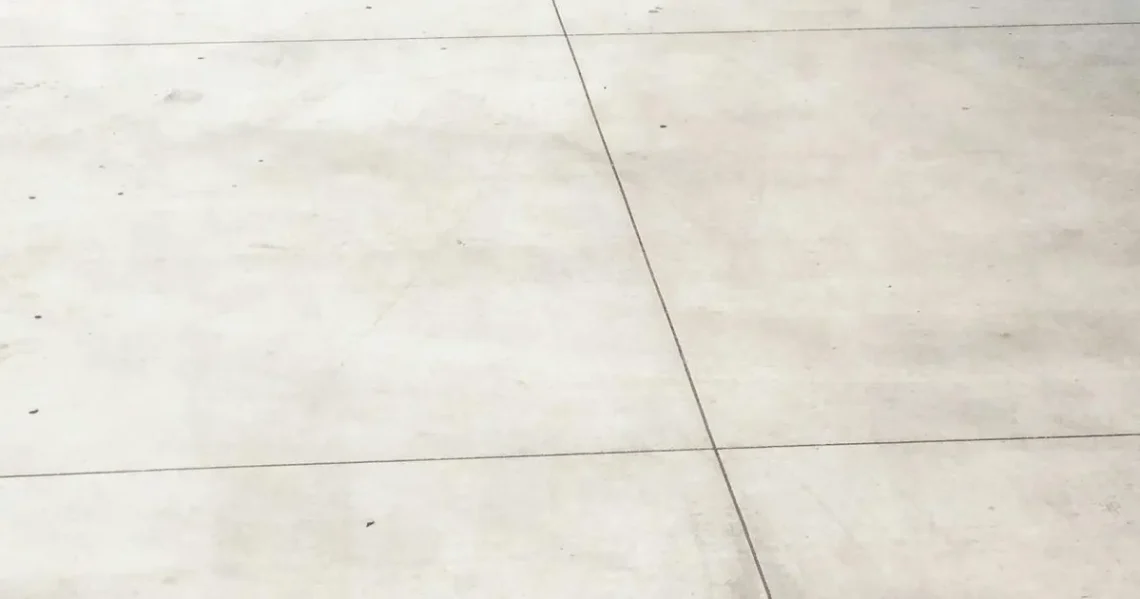
Once the visible waste is gone, the real work of deep cleaning the concrete begins to ensure every microscopic pathogen is addressed. Because concrete is a porous material, it acts like a sponge, pulling liquids and bacteria deep into its internal structure where standard surface cleaning cannot reach. You will need a stiff-bristled scrub brush and a heavy-duty surfactant or a specialized floor cleaner designed to break down organic matter and grease. Avoid using wire brushes, as these can damage the finish of the concrete or leave behind small bits of metal that may rust over time. The goal is to work the cleaning solution deep into the pores of the floor to lift out any trapped contaminants that could cause long-term odors or health risks if left unaddressed.
- Clear the area entirely of all debris and standing water using a wet/dry vacuum or pump.
- Apply a high-quality surfactant or degreaser to the floor and let it sit for ten minutes to loosen organic material.
- Scrub the entire concrete surface vigorously with a stiff-bristled brush, focusing on cracks and low spots.
- Rinse the floor thoroughly with hot water and extract the dirty liquid immediately with a vacuum.
- Apply a strong disinfectant solution, such as a bleach mixture, and allow it to remain wet for at least twenty minutes.
- Perform a final rinse with clean water and utilize high-powered fans to dry the area completely within 24 hours.
Choosing the Right Cleaning Solutions
Selecting the correct chemicals is vital for a successful cleanup, as not all household cleaners are strong enough to kill the resilient pathogens found in raw sewage. A mixture of one part liquid chlorine bleach to ten parts water is a classic and effective choice for disinfecting hard, non-porous surfaces, but you must ensure the area is well-ventilated to avoid inhaling toxic fumes. If you prefer to avoid bleach, look for EPA-registered disinfectants that are specifically labeled as “tuberculocidal” or “virucidal,” as these are formulated to handle serious biological threats. For the initial scrub, a low-sudsing detergent is often best because it is easier to rinse away and won’t leave behind a sticky residue that could attract more dirt in the future. Always follow the manufacturer’s instructions regarding contact time, as most disinfectants need to stay wet on the surface for several minutes to be fully effective.
After you have completed the scrubbing and rinsing cycle, it is a good idea to perform a second pass if the floor still appears stained or if any odors persist. Concrete can be stubborn, and the physical action of scrubbing is often more important than the chemical itself for dislodging deeply embedded particles. Use a clean mop or a fresh brush for this second pass to ensure you aren’t just spreading around leftover residue from the first round. Once you are satisfied that the floor is physically clean, you can move on to the final disinfection stage, which is the most critical part for ensuring the room is safe for human occupancy again. Remember that the floor must be completely dry before you consider the job finished, as lingering moisture is the primary cause of mold growth after a water-related disaster.
Sanitizing the Porous Concrete Surface
Sanitization is the most critical phase of the process, as it involves the chemical destruction of any remaining bacteria that survived the initial scrubbing. Even if the floor looks sparkling clean to the naked eye, the microscopic pores of the concrete can still harbor dangerous organisms that could lead to illness weeks or months later. You should apply your chosen disinfectant liberally across the entire floor, ensuring that the liquid pools slightly in any cracks or depressions where bacteria are most likely to hide. If you are using a commercial product, consult the EPA guidelines for indoor air quality and flood cleanup to ensure you are applying the product safely and effectively. This step requires patience, as the disinfectant must remain in contact with the concrete for the full duration specified on the label to achieve a total kill of the pathogens.
In 2026, many homeowners are opting for botanical disinfectants that use ingredients like thymol or citric acid, which offer high efficacy without the harsh chemical smells of traditional bleach. These options are particularly useful if your concrete floor is in a basement with limited airflow or if you have sensitive family members living in the home. Regardless of the product you choose, the key is consistency and thoroughness; do not skip the corners or the areas behind large appliances, as these are common breeding grounds for lingering bacteria. Once the contact time has passed, you can either let the disinfectant air dry or perform a final rinse with clean water, depending on the product’s specific instructions. A final rinse is often recommended for concrete to prevent any chemical films from interfering with future paint or sealant applications you might want to apply later.
Eliminating Lingering Sewage Odors
One of the biggest challenges after a sewage backup is dealing with the persistent, unpleasant smell that seems to cling to the walls and floors long after the mess is gone. These odors are typically caused by volatile organic compounds released by decomposing waste that has been absorbed into the concrete’s structure. To combat this, you should use an enzymatic cleaner specifically formulated to break down organic proteins and waste products at a molecular level. Unlike standard deodorizers that simply mask the smell with a heavy fragrance, enzymes actually “eat” the source of the odor, providing a permanent solution rather than a temporary fix. Apply the enzyme cleaner according to the package directions, often allowing it to dwell on the floor for several hours or even overnight to give the biological agents time to work their magic.
If the odor persists even after an enzymatic treatment, you might need to employ more advanced air purification techniques to fully refresh the space. Using an industrial-grade air scrubber equipped with a HEPA filter and an activated carbon stage can effectively remove odor molecules from the air and prevent them from settling back onto your clean surfaces. You can also place bowls of white vinegar or boxes of baking soda around the room to help absorb any remaining scents naturally over the course of a few days. In extreme cases, a professional-grade ozone generator may be used, though this requires the home to be completely vacated during the process due to the health risks associated with ozone inhalation. By combining deep floor cleaning with targeted air treatment, you can ensure that your home smells fresh and clean once again, removing any memory of the unfortunate backup.
Long-Term Maintenance and Prevention
Now that your concrete floor is clean and sanitized, it is time to look toward the future and take steps to prevent a repeat performance of this stressful event. One of the most effective ways to protect your concrete in 2026 is to apply a high-quality penetrating sealer once the floor has had several days to dry out completely. A sealer fills the pores of the concrete, creating a barrier that prevents liquids, oils, and bacteria from soaking into the surface if another leak or backup occurs. This makes future cleanups significantly easier and helps to preserve the structural integrity of the floor over time. There are many different types of sealers available, ranging from natural-look penetrating sealers to high-gloss epoxy coatings, so you can choose the one that best fits the aesthetic and functional needs of your specific space.
Beyond maintaining the floor itself, you should investigate the root cause of the sewage backup to ensure your plumbing system is robust and reliable. Installing a backflow prevention valve is a smart investment that can automatically stop sewage from entering your home during heavy rains or municipal sewer failures. It is also a good idea to have your main sewer line inspected with a camera every few years to check for tree root intrusions or structural collapses that could lead to blockages. As we move through 2026, many homeowners are also installing smart water sensors that can alert your smartphone the moment moisture is detected in the basement, allowing you to catch problems before they turn into full-scale disasters. Taking these proactive steps will give you peace of mind and help you avoid the difficult task of deep cleaning a contaminated concrete floor ever again.
Key Takeaways
- Always wear full personal protective equipment, including a respirator and waterproof gear, before starting the cleanup.
- Ensure all electricity is turned off in the affected area to prevent accidents while working with liquid waste.
- Use a combination of mechanical scrubbing and EPA-registered disinfectants to reach deep into the concrete’s pores.
- Enzymatic cleaners are the most effective tool for permanently removing organic sewage odors from the environment.
- Allow the floor to dry completely within 24 hours to prevent the growth of mold and secondary biohazards.
- Seal your concrete floor after it is clean to provide a protective barrier against future spills and contamination.
Frequently Asked Questions
Is it safe to clean up a sewage backup myself?
If the backup is small and contained, many homeowners can handle the cleanup with the proper safety gear and cleaning agents. However, if the sewage has sat for more than 24 hours or covers a large area, it is often safer to hire professional biohazard restoration experts who have specialized equipment. They can ensure that all hidden pathogens are removed and that the air quality is restored to safe levels for your family.
Can I use regular household bleach for the entire process?
While bleach is a very effective disinfectant for killing bacteria and viruses on concrete, it is not a great cleaner for removing bulk dirt and organic matter. You should first use a detergent or surfactant to physically clean the floor and then use the bleach solution as a final sanitizing step. Always be careful not to mix bleach with ammonia-based cleaners, as this creates a highly toxic gas that can be fatal if inhaled.
How long does it take for a concrete floor to dry completely?
Concrete is a dense material that holds onto moisture for a long time, so it typically takes at least 24 to 48 hours to dry fully after a deep cleaning. You can speed up this process significantly by using industrial dehumidifiers and high-velocity air movers to pull moisture out of the slab. It is vital that the floor is bone-dry before you apply any sealers or replace any furniture, as trapped moisture can lead to mold growth underneath items.
What if the sewage backup happened on painted concrete?
If your concrete floor was painted or coated with epoxy, the cleanup is usually easier because the surface is less porous than raw concrete. However, if the sewage sat for a long time, it may have compromised the bond of the paint, causing it to bubble or peel. In these cases, you may need to strip the damaged paint, sanitize the bare concrete underneath, and then repaint the floor once it is completely clean and dry to ensure a sanitary finish.
Will the smell of sewage ever completely go away?
Yes, with the proper use of enzymatic cleaners and adequate ventilation, you can completely eliminate sewage odors from a concrete floor. The key is to address the organic material that has soaked into the pores rather than just trying to cover the smell with air fresheners. If a faint odor persists after several cleanings, you may want to look into professional odor removal services that use hydroxyl generators or specialized deep-penetrating sealers to lock in any remaining molecules.
Conclusion
Cleaning a concrete floor after a sewage backup is undoubtedly one of the most challenging home maintenance tasks you might face, but following a structured approach ensures your home remains a safe haven. By prioritizing your safety, using the right chemical agents, and being thorough with your scrubbing, you can successfully eliminate the invisible threats that wastewater leaves behind. I hope this guide has given you the confidence and the clear steps needed to tackle this project head-on in 2026. Remember that your hard work today not only restores your floor but also protects the long-term health of everyone in your household, making the effort well worth it in the end.