Identifying signs of structural damage every homeowner should know is no longer just a hobby for DIY enthusiasts; it is a critical defensive measure against the unpredictable real estate climate of 2026. As an investigative journalist who has spent months embedding with forensic structural engineers and insurance adjusters, I have seen how subtle shifts in a foundation can turn a dream investment into a financial sinkhole. Most homeowners ignore the early warning signs, dismissing them as mere cosmetic wear, only to face catastrophic repair bills later. By understanding the mechanical reality of your home’s skeletal integrity, you can distinguish between harmless settling and active failure. This guide pulls back the curtain on the industry secrets used to assess residential stability, offering you the power to protect your home’s value before the damage becomes irreversible.
The Geometry of Failure
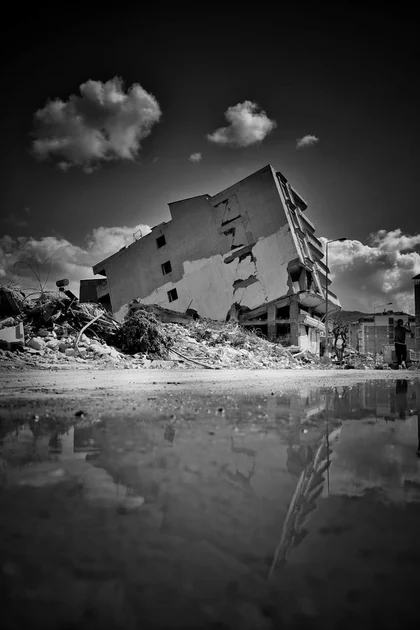
The most revealing indicator of structural distress is the geometry of the cracks appearing on your walls. While hairline cracks are often expected in new construction as materials acclimate to local humidity, diagonal cracks that originate from the corners of window frames or door headers are a major red flag. These fractures indicate that the frame is twisting under the weight of an unevenly supported structure. In 2026, many homes are facing increased stress from shifting soil moisture patterns caused by extreme weather cycles, making these diagnostic cracks more common than ever before.
If you observe cracks that are wider than one-eighth of an inch, or if they appear to be stepping through mortar joints in a zigzag pattern, you are likely dealing with foundation settlement. When a foundation settles unevenly, the walls are forced to bear loads they were never designed for, creating shear forces that manifest as these distinct patterns. Experienced engineers frequently consult the American Society of Civil Engineers guidelines to differentiate between minor cosmetic shrinkage and active, dangerous foundation movement. Ignoring these early signs often leads to the failure of load-bearing studs and, eventually, a total compromise of the home’s envelope.
Interior Clues and Door Alignment
Your doors and windows act as sensitive level indicators for the rest of your house. If you notice that your interior doors refuse to stay closed or, conversely, will not stay open, the frame is likely no longer plumb. This is one of the most reliable, non-invasive ways to detect movement. When the foundation shifts, it pushes the wall studs out of their original alignment, causing the rectangular frame to warp into a parallelogram. If you find yourself frequently trimming the bottom of a door to stop it from dragging, you are treating the symptom, not the disease.
Beyond the doors, look at your floors. If you notice that a marble or ball bearing rolls consistently toward one side of a room, you have a significant slope. While a slight tilt might be acceptable in an older home, a sudden change or a noticeable dip indicates that a support pier or a basement column has failed. Professionals often use laser levels to map out these anomalies. In 2026, homeowners are increasingly utilizing smart sensors that provide real-time data on structural movement, providing a proactive alert system that was previously only available to commercial property managers.
The Exterior Perimeter Assessment
Walking the perimeter of your home is the most effective way to catch structural issues before they move indoors. Look closely at the foundation walls for horizontal cracks; these are particularly concerning because they suggest hydrostatic pressure from the soil pushing against the concrete. This pressure is often exacerbated by poor grading or failed gutter systems that dump water directly against the house. If you see signs of water pooling near the foundation, you are looking at the primary catalyst for long-term structural degradation.
Furthermore, inspect the chimney for separation from the main house. A chimney is a massive, heavy structure that is often supported by its own footing. If the ground under that footing settles at a different rate than the home’s slab, you will see a widening gap between the two. This is a classic sign of soil liquefaction or erosion. You can verify the severity of this gap by checking the flashing and mortar joints. If the metal flashing is pulled away or the mortar is crumbling, the structure is actively moving and requires immediate intervention from a geotechnical professional.
Pros and Cons Analysis
Deciding when to address structural issues requires a clear understanding of the trade-offs involved in professional intervention. Below is a balanced analysis of the common approaches to structural repair.
| Method | Pros | Cons |
|---|---|---|
| Underpinning | Provides permanent stability for sinking foundations. | High cost and invasive excavation required. |
| Mudjacking | Cost-effective and quick for minor slab issues. | Temporary solution; risk of soil washout. |
| Helical Piers | Precise load transfer to stable soil layers. | Requires specialized heavy machinery. |
| Carbon Fiber Straps | Non-invasive reinforcement for bowing walls. | Does not fix the underlying soil pressure. |
The primary benefit of early intervention is the preservation of home equity. A home with a certified structural repair history often remains marketable, whereas a home with hidden, active damage can lose up to 30 percent of its appraisal value. The drawback is the psychological and financial burden of the repair process, which can involve significant noise, dust, and disruption to your daily life. However, weighed against the risk of catastrophic collapse, professional remediation is almost always the more responsible path for a homeowner to take.
Cost & Pricing Breakdown
Budgeting for structural repairs is notoriously difficult because costs depend heavily on the specific soil conditions and the severity of the shifting. In 2026, the following estimates provide a baseline for typical residential structural projects.
- Minor Crack Repair: $500 – $2,500 (Epoxy injection or carbon fiber stapling).
- Partial Piering: $5,000 – $15,000 (Stabilizing one section of a foundation).
- Full Foundation Underpinning: $20,000 – $75,000+ (Extensive engineering and labor).
- Slab Jacking: $3,000 – $8,000 (Lifting sunken concrete slabs).
- Drainage Correction: $2,000 – $10,000 (Regrading and installing French drains).
It is crucial to obtain at least three quotes from licensed structural engineers. Avoid general contractors who lack specific certification in foundation repair, as they may offer “patch-and-paint” solutions that hide the damage without addressing the root cause. Always ensure that the work includes a transferrable warranty, which is a major asset during future home sales.
Key Takeaways
- Monitor crack patterns; vertical is usually settling, while horizontal suggests external pressure.
- Test doors and windows regularly; if they stick, your frame is likely warping.
- Check your grading; water must flow away from the foundation at all times.
- Use professional inspection tools like laser levels to detect floor slopes early.
- Consult a structural engineer, not just a contractor, for an unbiased assessment.
- Always verify that all repairs are documented and permitted for resale purposes.
Frequently Asked Questions
How do I know if a crack is dangerous?
If a crack is wider than a nickel or continues to widen over several months, it is considered active. You should also be concerned if you can see light through the crack or if it runs through multiple levels of the structure.
Can I fix structural issues myself?
Generally, no. Structural repairs involve complex physics and load calculations. Attempting a DIY fix on a load-bearing element can lead to secondary failures and may void your homeowner’s insurance policy.
Do all cracks mean my house is falling down?
Not necessarily. Many cracks are caused by thermal expansion and contraction of building materials. However, if they are accompanied by sticking doors or uneven floors, you should treat them as a serious warning sign.
What is the most common cause of foundation failure?
Excessive moisture is the primary culprit. Water changes the volume of the soil beneath your home, causing it to swell when wet and shrink when dry, which eventually destabilizes the foundation footing.
Is foundation repair covered by insurance?
Most standard homeowners insurance policies do not cover foundation settlement or earth movement. You must read your policy carefully and consider adding a specific rider if you live in a high-risk geological zone.
Conclusion
Maintaining the structural integrity of your home is a lifelong commitment that requires vigilance and a basic understanding of engineering principles. By observing the subtle cues—the sticking door, the widening crack, the pooling water—you can prevent minor issues from escalating into major financial crises. In 2026, the resources available to homeowners, from advanced diagnostic sensors to expert engineering consultations, have never been more accessible. Take the time to perform these inspections, consult with professionals when in doubt, and prioritize the health of your home’s foundation. Protecting your home now ensures that it remains a safe and valuable asset for years to come.