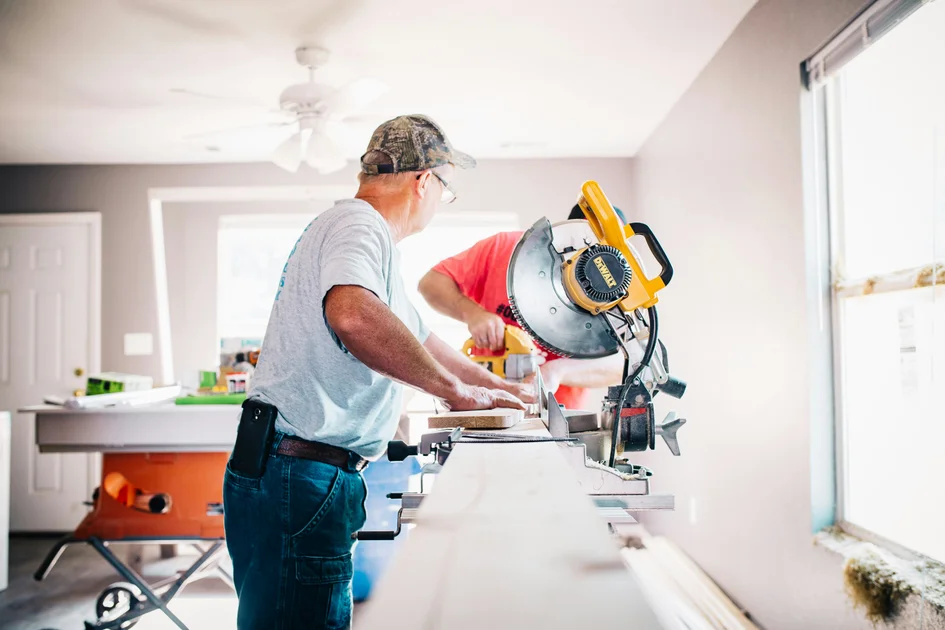
Mastering common household repairs that save money on contractors has become a financial necessity for the average homeowner in 2026. As labor shortages in the skilled trades continue to drive up hourly rates—often exceeding 150 dollars per hour in major metropolitan markets—the ability to perform basic maintenance is no longer just a hobby, but a critical component of personal wealth management. While many homeowners fear that DIY work will void warranties or lead to catastrophic property damage, the reality is that most minor repairs require more patience than specialized training. By learning to navigate the basics of home systems, you effectively insulate your household budget from the volatile pricing of external service providers while simultaneously gaining a deeper understanding of your home’s unique infrastructure.
The Hidden Costs of Hiring Out

The primary driver behind the surge in DIY interest is the unprecedented inflation in service industry overhead. In 2026, a simple service call for a leaking faucet or a malfunctioning dishwasher often starts with a trip charge that covers the contractor’s fuel, insurance, and administrative time before a single wrench is turned. When you choose to handle these tasks yourself, you aren’t just saving the hourly labor rate; you are bypassing the systemic markup on parts that many companies use to subsidize their operations. Professional contractors typically apply a 20 to 50 percent margin on parts, meaning that basic hardware store items can cost twice as much when delivered through a service invoice.
Beyond the immediate financial savings, there is an intangible benefit to performing your own repairs. When you take the time to inspect a leaking valve or a flickering light fixture, you become intimately familiar with the wear and tear patterns of your home. This observational knowledge allows for proactive maintenance rather than reactive emergency repairs. By catching a small drip today, you prevent the mold growth and structural rot that would eventually necessitate a five-figure insurance claim. The transparency of your own labor ensures that the job is done to your satisfaction, utilizing parts that you have vetted for quality rather than whatever happens to be on the contractor’s truck.
Plumbing Fixtures and Valve Maintenance
Plumbing remains the most lucrative area for DIY enthusiasts due to the high frequency of minor failures. Most kitchen and bathroom issues are related to simple seals, washers, or cartridges that degrade over time due to mineral buildup in the water supply. Replacing a cartridge in a modern single-handle faucet is often a matter of removing a decorative cap, loosening a set screw, and swapping the internal component. Resources like the Plumbing Labs provide comprehensive guides on identifying specific cartridge types, which can turn a two-hour ordeal into a fifteen-minute project that costs less than twenty dollars in parts.
The Art of the Shut-Off
Before beginning any water-related repair, the most critical step is mastering your home’s shut-off valves. Many homeowners are unaware that most fixtures have independent supply lines hidden beneath cabinets or behind toilets. By keeping these valves clean and functional, you gain the ability to isolate specific leaks without shutting off the water to the entire house. If you find a valve that is stuck or leaking, replacing it with a modern quarter-turn ball valve is a straightforward upgrade that improves reliability and safety for decades. This specific upgrade is highly recommended for all homes built before 2010 to prevent catastrophic pipe failures.
Electrical Basics and Safety
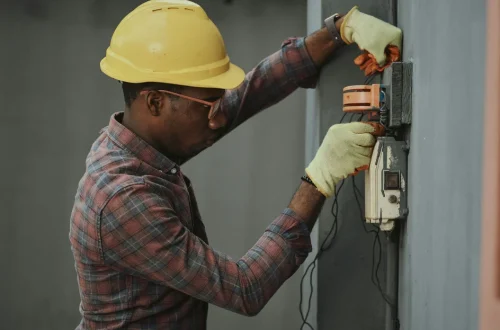
While electrical work often carries a stigma of danger, basic repairs such as replacing outlets, wall switches, or light fixtures are entirely manageable with the right safety protocols. In 2026, smart home integration has made electrical troubleshooting more common, as homeowners look to upgrade their infrastructure to support high-efficiency devices. The golden rule of electrical work is absolute verification: never assume a circuit is dead just because you flipped a switch. Utilizing a non-contact voltage tester is a non-negotiable step that costs under twenty dollars and provides a critical layer of safety before you touch a single wire.
Understanding the difference between a standard toggle switch and a modern dimmer or GFCI outlet is vital for maintaining a code-compliant home. Many insurance companies now offer premium discounts for homes that have upgraded to modern GFCI and AFCI breakers, which provide superior protection against electrical fires. When you perform these upgrades yourself, you are not only saving the cost of an electrician, but you are also actively increasing the fire safety rating of your property. Remember to always document your work with clear photographs of the wiring configuration before disconnecting anything, as this provides a fail-safe reference for reassembly.
Reddit & Expert Community Consensus
User u/HandymanDan88 on a popular home repair forum notes: “I tell my clients that 70 percent of the service calls I get for ‘broken’ appliances are actually just lack of basic cleaning. People call for a noisy dryer and it’s just a lint clog; they call for a leaking fridge and it’s just a blocked defrost drain. If you spend one hour a month doing basic maintenance, you save thousands over the lifetime of your appliances.” Another expert contributor adds: “Don’t let the fear of ‘voiding your warranty’ stop you from cleaning your coils or changing a gasket. Unless you physically damage the internal board or motor, manufacturers rarely track who changed a simple seal.”
Pros and Cons Analysis
Deciding whether to tackle a repair yourself requires a balanced assessment of your skills and the potential risks involved. The following table illustrates the trade-offs between DIY efforts and professional intervention.
| Factor | DIY Approach | Professional Contractor |
|---|---|---|
| Cost Savings | High (Labor and markup avoided) | Low (Premium rates apply) |
| Time Commitment | High (Research and execution) | Low (Quick scheduling) |
| Risk Level | Moderate (Safety and error risk) | Low (Insured and guaranteed) |
| Skill Development | High (Long-term knowledge) | None (Passive service) |
| Warranty Status | Requires caution | Fully warrantied |
HVAC and Appliance Longevity
Heating, ventilation, and air conditioning systems are the most expensive components of any home, yet they are frequently neglected until they fail entirely. The most significant DIY task for any homeowner is the regular replacement of air filters and the occasional cleaning of the evaporator coils. In 2026, many high-efficiency units are equipped with diagnostic ports that allow homeowners to monitor system pressure and temperature differentials. By using a simple digital thermometer to check the temperature drop across your indoor coil, you can determine if your system is operating at peak efficiency or if it needs a professional refrigerant charge.
Appliance maintenance follows a similar trajectory of preventative care. Most dishwashers, refrigerators, and ovens have accessible diagnostic manuals available through manufacturers’ websites. Learning how to clean the condenser coils on a refrigerator can extend the life of the compressor by several years, preventing a multi-thousand-dollar replacement. Similarly, clearing the drain line on a high-efficiency furnace prevents the automatic shut-off that often triggers panic calls to HVAC companies on the coldest day of the year. These minor tasks require nothing more than a vacuum, a soft brush, and a bit of initiative.
Drywall and Cosmetic Repairs
Cosmetic damage, such as nail pops, drywall cracks, or scratched paint, often leads homeowners to hire expensive handymen for jobs that are essentially aesthetic. Drywall repair is a skill that relies entirely on the quality of your finishing materials and your patience during the sanding process. Using high-quality mesh tape and modern lightweight joint compounds, you can achieve a professional-grade finish that is invisible under standard residential lighting. The Home Repair Institute suggests that most homeowners can master the art of the patch in a single weekend with the right instructional video series.
Beyond drywall, learning to paint and repair trim work allows you to refresh the entire appearance of your home for a fraction of the cost of a contractor. When you perform these repairs, you have the flexibility to take your time, ensuring that the final result matches the existing texture and sheen of your walls. This level of attention to detail is rarely found in contractor-grade work, where speed is prioritized over perfection. By investing in a high-quality putty knife, a pole sander, and a good vacuum for dust control, you can maintain a pristine home interior indefinitely.
Key Takeaways
- Prioritize regular maintenance to avoid expensive emergency service calls.
- Always verify that electrical circuits are dead before performing any repairs.
- Avoid contractor markups by purchasing your own parts from wholesale suppliers.
- Use diagnostic manuals for appliances to troubleshoot common error codes.
- Keep a photographic log of all repairs to assist with future troubleshooting.
- Focus on learning one new repair skill each quarter to build long-term capability.
Frequently Asked Questions
Will DIY repairs void my home warranty?
Generally, minor maintenance like cleaning filters or replacing seals does not void warranties. However, unauthorized tampering with sealed gas lines or electrical control boards might. Always check your specific policy.
What tools are essential for a beginner?
A basic set should include a non-contact voltage tester, a set of precision screwdrivers, an adjustable wrench, a pair of tongue-and-groove pliers, and a reliable multi-meter.
How do I know when a job is too big for me?
If a repair involves structural framing, main electrical panels, or high-pressure gas lines, it is best to consult a licensed professional. If you feel unsafe at any point, stop immediately.
Where can I find reliable repair tutorials?
Look for manufacturer-specific YouTube channels, official service manuals hosted on corporate websites, and reputable forums where verified professionals share step-by-step guides.
Are DIY repairs worth the time investment?
When you account for the hourly rate of professionals and the added benefit of understanding your home’s systems, the time spent is a high-yield investment in your property’s value.
Conclusion
Embracing the role of the DIY homeowner is a powerful strategy for financial independence in 2026. By shifting your mindset from that of a passive consumer to an active maintainer, you secure your home against the rising costs of professional labor while gaining invaluable practical skills. Every valve replaced, every circuit tested, and every appliance cleaned represents a tangible victory over the high cost of property ownership. Start small, prioritize safety above all else, and remember that the most complex home systems are simply collections of simple parts that anyone can learn to manage with the right information and a steady hand.
- Electrical Safety: How to Isolate a Dead Circuit Before Troubleshooting
- How to Stabilize Ceiling Damage: Essential Techniques for Residential Buildings
- How to Fix a Leaking Pipe Under the Sink Without Professional Help
- How to Salvage and Sanitize Home Electronics After a Water Spill: Step-by-Step Guide
- How to Repair Loose Roof Flashing Safely: A Step-by-Step DIY Guide