Did you know that sudden residential emergencies, from burst pipes to electrical outages, can escalate quickly, posing significant risks to both your property and personal safety? Implementing robust protective measures for handling urgent residential repairs isn’t just about fixing a problem; it’s about safeguarding your family, your finances, and your peace of mind. Without proper preparation and immediate, informed action, what starts as a minor issue can rapidly become a major catastrophe, leading to extensive damage, costly delays, and even potential injuries. This guide will equip you with the essential strategies and practical advice to navigate these stressful situations effectively, ensuring you’re ready for anything that 2026 might throw your way.
To safely handle urgent residential repairs, prioritize immediate hazard assessment, secure the area, shut off utilities (water, electricity, gas) if necessary, wear appropriate personal protective equipment (PPE), and gather essential tools. Document the damage for insurance, and determine if the repair is safe for DIY or if professional help is required. Always have an emergency contact list ready.
Understanding the Immediate Threat
When an urgent residential repair arises, the very first step is to accurately assess the immediate threat. This isn’t about panic, but about rapid, clear-headed evaluation of the situation to prevent further damage or injury. For instance, a small water leak might seem minor, but if it’s near an electrical outlet, it instantly becomes a severe electrocution risk. Similarly, a strange burning smell could indicate a simple appliance malfunction or a much more dangerous electrical fire brewing within your walls. Identifying these critical safety hazards is paramount before any other action is taken.
This initial assessment dictates your subsequent actions, from isolating the problem to deciding whether to call a professional immediately. Look for visible signs of danger such as sparking wires, rapidly spreading water, or structural instability. Listen for unusual sounds like hissing gas or grinding machinery, and trust your sense of smell for gas leaks or burning. Understanding the specific nature of the emergency allows you to take targeted protective measures, ensuring that your response is both effective and safe for everyone involved.
Essential Utility Shut-Off Protocols
One of the most crucial protective measures for handling urgent residential repairs involves knowing how and when to shut off your home’s main utilities. For water leaks, locating and turning off the main water supply valve can prevent thousands of dollars in water damage within minutes. It’s often found near the water meter or where the main line enters your house. For electrical issues, tripping the main breaker in your electrical panel is non-negotiable, eliminating the risk of electrocution or fire while repairs are underway. Always label your circuit breakers clearly for quick identification.
Gas leaks present an immediate and severe explosion hazard, making the main gas shut-off valve a life-saving device. This valve is typically located near your gas meter. If you suspect a gas leak, evacuate immediately, do not use any electrical switches or phones inside, and call your gas company or emergency services from a safe distance. Knowing these locations and practicing their operation can drastically mitigate risks during various emergencies, ensuring your family’s safety and preventing catastrophic property loss. The American Red Cross offers valuable guidance on emergency preparedness, including operating these crucial shut-off points.
Preparing Your Emergency Toolkit
Beyond knowing utility shut-offs, having a well-stocked emergency toolkit is a critical component of preparedness for urgent residential repairs. This kit should include essential items like a multi-purpose wrench for shut-off valves, sturdy work gloves, safety glasses, a powerful flashlight with extra batteries, and a first-aid kit. Consider adding a headlamp for hands-free illumination, a basic set of pliers, screwdrivers, and a voltage tester if you’re comfortable with minor electrical diagnostics. These tools enable immediate action and enhance your personal safety while assessing or performing temporary fixes.
Regularly check and update your emergency toolkit, especially as we approach 2026, ensuring that all batteries are fresh and consumable items like bandages are not expired. Keeping these tools in an easily accessible location, such as a designated cupboard or garage shelf, saves precious time when every second counts. A prepared toolkit empowers you to respond more effectively, whether it’s tightening a loose pipe connection or securing a broken window before professional help arrives.
Personal Safety and Area Securing
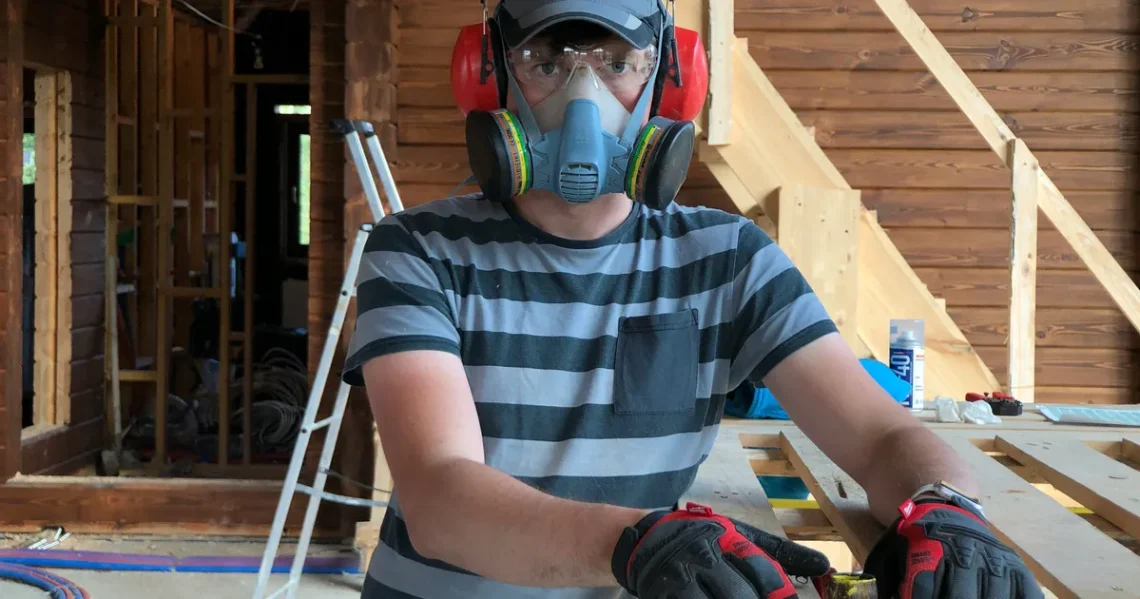
Your personal safety must always be the top priority when dealing with urgent residential repairs. Before approaching any repair, ensure you are wearing appropriate Personal Protective Equipment (PPE), which can include sturdy closed-toe shoes, work gloves, safety glasses, and even a dust mask if dealing with debris or insulation. Never work alone on major repairs, especially those involving electricity or heights. Always inform someone of your intentions and location, and have a charged mobile phone readily available for emergencies.
Furthermore, it is crucial to secure the repair area to prevent accidents and protect others, especially children and pets. This might involve cordoning off the space with caution tape, placing warning signs, or simply closing doors to hazardous rooms. If there’s a spill, clean it up immediately to prevent slips and falls. For outdoor repairs, ensure adequate lighting and visibility, especially at night. These proactive steps create a safer environment for everyone and minimize the risk of secondary injuries.
When to Call a Professional
While some minor urgent residential repairs can be safely tackled by a homeowner, recognizing the limits of your expertise and when to call a professional is a vital protective measure. Issues involving structural integrity, major electrical systems, significant gas leaks, or extensive plumbing bursts almost always warrant expert intervention. Attempting complex repairs without the proper training, tools, or permits can lead to further damage, code violations, or, most importantly, severe injury or even fatality. A qualified professional brings specialized knowledge and equipment to resolve the issue safely and effectively.
Don’t hesitate to contact licensed plumbers, electricians, HVAC technicians, or general contractors for emergencies beyond your scope. Many professionals offer 24/7 emergency services, understanding the urgency of these situations. It’s wise to have a list of trusted local service providers on hand before an emergency strikes. For instance, reputable resources like the National Fire Protection Association emphasize calling a licensed electrician for electrical work. Calling an expert ensures the repair is done correctly, adheres to safety standards, and provides long-term peace of mind, potentially saving you more money and stress in the long run.
Documentation and Insurance Preparedness
After addressing immediate safety concerns and initiating repairs, thorough documentation becomes a critical protective measure, particularly for insurance claims. Before any significant work begins, take clear, timestamped photos and videos of the damage from multiple angles. Document the date and time the incident occurred, the extent of the damage, and any temporary fixes you implemented. Keep meticulous records of all communications with contractors, including estimates, invoices, and receipts for materials purchased. This comprehensive evidence is invaluable when filing a claim with your homeowner’s insurance provider.
Reviewing your homeowner’s insurance policy annually, ideally before 2026, helps you understand your coverage limits, deductibles, and the specific procedures for filing a claim related to urgent residential repairs. Knowing what is covered and what isn’t can prevent unwelcome surprises during a stressful time. Promptly notify your insurance company about the incident, even if you’re unsure whether you’ll file a claim. Maintaining detailed records and understanding your policy streamlines the claims process, ensuring you receive the appropriate compensation for covered damages and helping you rebuild faster.
Key Takeaways
- Prioritize immediate safety by assessing hazards and shutting off utilities before attempting any repair.
- Maintain a well-equipped emergency toolkit and know the location of all main utility shut-off valves in your home.
- Always use appropriate PPE and secure the repair area to protect yourself and others from secondary injuries.
- Recognize when a repair is beyond your skill set and promptly call licensed professionals for complex or dangerous issues.
- Document all damage with photos and keep meticulous records for potential insurance claims and future reference.
Frequently Asked Questions
What should I do first if I discover a burst pipe?
If you discover a burst pipe, your immediate first action should be to locate and shut off the main water supply to your home. This will stop the flow of water and prevent further damage. Next, if safe to do so, turn off any nearby electrical appliances or power to the affected area at the breaker box. Then, begin to contain the water with buckets or towels and contact a licensed plumber immediately for professional repair.
How can I safely handle a power outage with potential electrical issues?
During a power outage, first check if the outage is localized to your home or affects your neighborhood. If it’s just your home, check your main electrical panel for tripped breakers. Before resetting, safely unplug sensitive electronics to prevent surges. If you suspect an electrical fault or smell burning, do not attempt repairs; instead, call a licensed electrician. Always use flashlights or battery-powered lanterns, avoiding candles to prevent fire hazards.
Is it safe to attempt a DIY repair for a gas leak?
Absolutely not. If you suspect a gas leak (rotten egg smell, hissing sound), your immediate priority is personal safety. Evacuate everyone from the premises, do not use any electrical switches, light sources, or phones inside the house. Once safely outside, call your gas company’s emergency line or 911 immediately. Gas leaks are extremely dangerous and require professional handling by trained technicians.
What protective equipment is essential for urgent home repairs?
Essential protective equipment includes sturdy work gloves to protect hands, safety glasses to shield eyes from debris or chemicals, and closed-toe shoes or work boots to prevent foot injuries. Depending on the repair, you might also need a dust mask or respirator, a hard hat for overhead work, or knee pads. A headlamp provides hands-free illumination, enhancing safety and visibility in dimly lit areas.
Conclusion
Navigating urgent residential repairs can be daunting, but with the right protective measures and a proactive mindset, you can mitigate risks and ensure a swift, safe resolution. Preparedness is your greatest asset. By understanding immediate threats, mastering utility shut-off protocols, having an emergency toolkit, prioritizing personal safety, and knowing when to call a professional, you empower yourself for any home emergency. Documenting everything for insurance and regularly reviewing your plan keeps you ahead of the curve. Stay prepared, stay safe, and share these insights to foster a resilient home environment for everyone.
- How to Stop Roof Leaks During Heavy Rain Quickly
- How to Quickly Fix a Jammed Sliding Glass Patio Door in an Emergency
- Water Extraction & Drying Standards for Home Interiors: What You Need to Know
- How to Salvage and Sanitize Home Electronics After a Water Spill: Step-by-Step Guide
- Signs of Structural Damage Every Homeowner Should Know