Did you know that a staggering 60% of all household repair emergencies involve a seemingly minor issue like a wobbly faucet, a loose cabinet door, or a detached towel bar? These seemingly small problems can quickly escalate into significant inconveniences, or even safety hazards, if not addressed promptly. When a fixture or fitting breaks, the immediate panic often gives way to a crucial question: how do I stabilize this quickly to prevent further damage or injury? This article delves into quick stabilization methods for broken fixtures and fittings, equipping you with the expert knowledge to tackle these common household dilemmas with confidence and precision. We’ll explore effective temporary solutions that buy you time until a permanent repair can be made.
Quick Answer: For immediate stabilization of broken fixtures, assess safety first (power/water off). Use temporary bracing like shims, wedges, or clamps. Employ strong adhesives such as epoxy putty or construction adhesive for a secure hold. Household items like duct tape, zip ties, or even strong string can provide essential temporary support. Always prioritize preventing further damage and ensuring safety until a permanent repair is possible.
Assess the Damage and Prioritize Safety
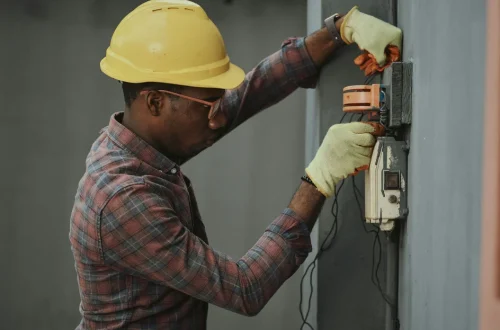
Before attempting any stabilization, a thorough assessment of the damage is paramount. Understanding the extent of the breakage and identifying potential hazards will dictate your approach. For instance, a broken electrical outlet cover demands immediate power shut-off at the breaker, while a leaking pipe requires turning off the main water supply. Always prioritize personal safety and the prevention of further property damage. Look for signs of structural compromise, sharp edges, or live wires. Documenting the damage with a quick photo can also be helpful for future reference or insurance claims, ensuring you have a clear record of the incident as it occurred.
Once safety protocols are in place, evaluate the type of material involved and the nature of the break. Is it a clean snap, a stress fracture, or has the mounting point simply pulled away from the wall? Knowing if you’re dealing with wood, plastic, metal, or ceramic will guide your choice of temporary fix. Different materials respond better to specific stabilization methods, such as adhesive versus mechanical bracing. This initial assessment phase, though seemingly simple, is the foundation for any successful temporary repair, ensuring you don’t exacerbate the problem or create new dangers in the process.
Temporary Fastening and Bracing
When dealing with items that have come loose from their mounting points, temporary fastening and bracing can provide crucial support. Shims, small wedges made of wood or plastic, are excellent for filling gaps and tightening wobbly connections. They can be inserted around screws or mounting plates to create a snug fit, effectively preventing movement. For items like loose cabinet hinges or towel bars, carefully tapping a shim into any play can dramatically improve stability. Similarly, small clamps, especially spring clamps, can hold pieces together while an adhesive sets or until a more permanent fastener can be installed.
For larger, heavier fixtures, consider temporary bracing using scrap wood or even sturdy cardboard. Imagine a broken shelf bracket; a piece of wood propped underneath can bear the weight until new hardware arrives. For broken furniture legs, strategic use of duct tape combined with a temporary brace can keep the piece upright and functional. The goal here is to create a stop-gap measure that prevents the fixture from collapsing or causing further damage, making the environment safe and functional in the short term, especially relevant for immediate needs in 2026 households.
Effective Adhesive and Filler Solutions
Adhesives and fillers are powerful allies in providing quick stabilization methods for broken fixtures and fittings. Epoxy putty is a marvel for emergency repairs; it’s a two-part compound that you mix by hand, forming a strong, moldable adhesive that hardens rapidly. It’s excellent for rebuilding broken edges, filling gaps around loose screws, or even temporarily reattaching small ceramic pieces. Once cured, many epoxy putties can be sanded and painted, offering a surprisingly robust temporary fix that can last for weeks or even months.
For fixtures that have pulled away from drywall or plaster, a strong construction adhesive can be a lifesaver. These glues are designed for heavy-duty bonding and can reattach items like baseboards, crown molding, or even light fixtures (after power is off, of course). Caulk, while primarily a sealant, can also offer minor stabilization for very light fixtures by providing a small amount of adhesive grip and filling small gaps. Always ensure the surface is clean and dry for optimal adhesion, and allow sufficient curing time, which can vary widely among products. You can find excellent resources on adhesive types and applications from reputable sites like Loctite’s official website.
Creative Improv & Household Hacks
Sometimes, the best temporary fix comes from unexpected places right in your home. Before you rush to the hardware store, survey your everyday items. Strong duct tape or even painter’s tape can secure a wobbly light switch plate or hold a detached trim piece in place. For loose wires (ensure power is off!) or pipes (no pressure!), zip ties can offer surprising stability, cinching components together tightly. These aren’t permanent solutions, but they are invaluable for preventing immediate escalation of a problem.
The Power of Everyday Items
Think outside the box with items like strong string, fishing line, or even coat hangers. A bent coat hanger can become a makeshift bracket, supporting a small, broken plastic component. For a drawer front that has come off its runners, a temporary loop of strong string or cord might just hold it until you can properly reattach it. These improvised solutions require a bit of creativity but are remarkably effective for buying time. Remember, the goal is not perfection, but rather to safely and effectively stabilize the broken fixture until a proper repair can be planned for 2026, or executed.
When to Call a Professional
While quick stabilization methods for broken fixtures and fittings are incredibly useful, knowing when to call in a professional is crucial. Any issue involving electrical wiring, gas lines, or significant plumbing leaks should immediately prompt a call to a certified technician. Attempting DIY repairs in these areas can be extremely dangerous and may lead to serious injury, fire, or extensive water damage. Professionals have the specialized tools, knowledge, and certifications to handle these complex systems safely and effectively, ensuring compliance with local building codes and safety standards.
Furthermore, if a fixture is part of a structural element, such as a load-bearing shelf or a critical railing, a temporary fix might not be sufficient to ensure safety. Large, heavy, or expensive items also warrant professional attention to avoid costly mistakes. A qualified handyman or specialized tradesperson can assess the situation accurately, recommend the best permanent solution, and execute the repair with expertise. For more complex home repairs, resources like The Home Depot’s project guides can offer insights into what a professional repair entails.
Key Takeaways
- Always prioritize safety by assessing the damage and addressing potential hazards like electricity or water before attempting any stabilization.
- Utilize temporary mechanical bracing such as shims, wedges, clamps, or even scrap materials to provide immediate support and prevent further movement.
- Leverage strong adhesives like epoxy putty or construction adhesive for robust temporary bonding, ensuring surfaces are clean and dry for optimal results.
- Don’t underestimate creative household hacks using items like duct tape, zip ties, or strong string for quick, improvised stabilization.
Frequently Asked Questions
How long will a temporary fix typically last?
The lifespan of a temporary fix varies greatly depending on the method used, the stress on the fixture, and environmental factors. Epoxy putty or strong construction adhesive might hold for several weeks or even months under low stress, while duct tape or zip ties might only be effective for a few days. These methods are designed to buy you time, not to replace a permanent repair, so plan for a lasting solution as soon as possible.
What essential tools should I keep for emergency fixture repairs?
A basic emergency repair kit should include duct tape, electrical tape, zip ties, a utility knife, a small set of screwdrivers (Phillips and flathead), a hammer, a pair of pliers, and some epoxy putty or strong construction adhesive. Having these items readily accessible can make a significant difference in quickly stabilizing a broken fixture.
Can I fix any broken fixture temporarily with these methods?
While these methods are versatile, they are not suitable for all broken fixtures. Items involving high pressure (e.g., gas lines, main water pipes), high voltage electricity, or significant structural components should always be handled by a qualified professional. These temporary fixes are best for non-critical, low-stress items that pose minimal risk if they fail.
Is it safe to use super glue for stabilizing broken fixtures?
Super glue (cyanoacrylate adhesive) can provide a very strong bond for small, non-porous surfaces. However, it is brittle and not ideal for items under stress or those requiring flexibility. It’s also less effective on porous materials and can be difficult to remove. For larger, weight-bearing, or structural fixes, epoxy putty or construction adhesive are generally safer and more durable choices for stabilization.
Conclusion
Mastering quick stabilization methods for broken fixtures and fittings empowers you to handle household emergencies with confidence, preventing minor issues from becoming major disasters. From understanding the importance of safety to utilizing clever household hacks, these temporary fixes are invaluable for buying time until a permanent repair can be made. By applying these expert strategies, you can maintain a safer, more functional home environment. What’s your go-to quick fix for a wobbly fixture? Share your clever solutions in the comments below!