Did you know that an alarming 70% of structural failures in buildings are attributed to cracks that were either misidentified, ignored, or improperly repaired? Navigating the complexities of structural crack assessment and temporary repair solutions is paramount for property owners and facility managers alike. Understanding the nuances between minor cosmetic fissures and critical structural damage can mean the difference between a simple patch job and a catastrophic collapse. This comprehensive guide aims to equip you with the knowledge to accurately evaluate cracks, implement effective immediate fixes, and understand when to escalate to professional intervention, safeguarding your assets and ensuring occupant safety.
Quick Answer: Structural crack assessment involves a detailed evaluation of crack patterns, sizes, and propagation to determine their cause and potential impact on a building’s integrity. Temporary repair solutions are immediate, short-term fixes designed to stabilize damaged areas, prevent further deterioration, and ensure safety until a permanent, engineered repair can be implemented.
Distinguishing Structural from Non-Structural Cracks
The first critical step in any crack management strategy is accurately differentiating between structural and non-structural cracks. Non-structural cracks, often called hairline or cosmetic cracks, typically result from minor material shrinkage, thermal expansion, or surface stresses. They rarely compromise the load-bearing capacity of a structure and are usually shallow, random, and do not widen significantly over time. Common examples include plaster cracks or minor concrete surface crazing, which can often be addressed with simple aesthetic repairs.
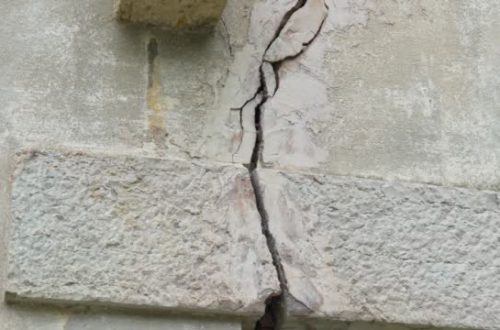
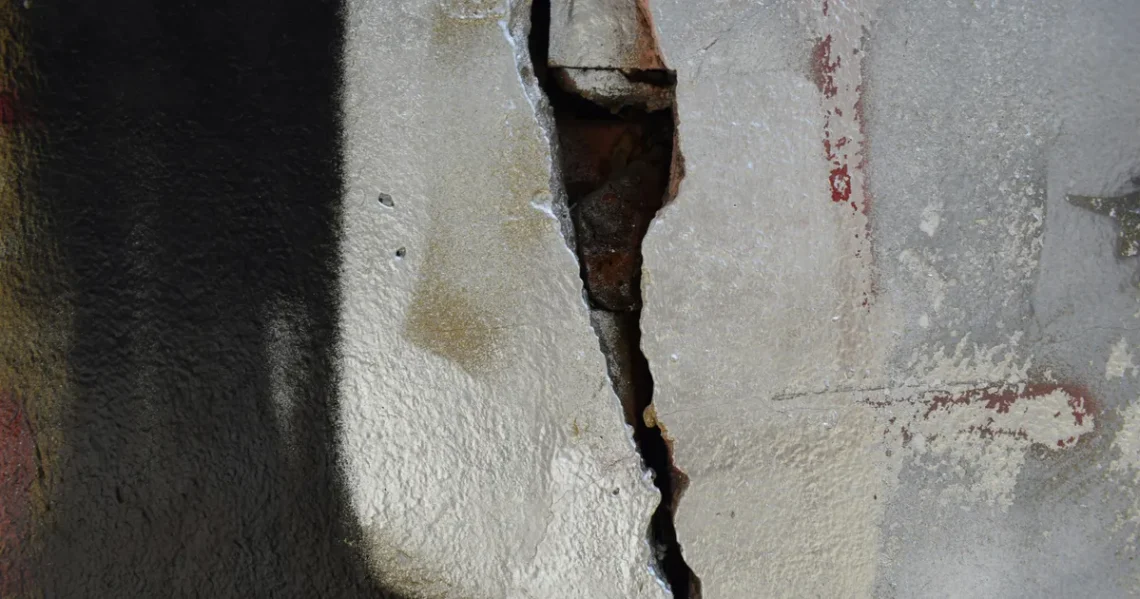
Conversely, structural cracks indicate a more serious underlying issue, such as foundation settlement, excessive loading, design flaws, or material degradation impacting the building’s stability. These cracks are typically wider than 1/8 inch, extend through walls or foundations, show signs of active movement (widening, lengthening), and often appear in specific patterns like diagonal stair-step cracks in masonry or vertical cracks in concrete columns. Identifying these early through meticulous structural crack assessment is crucial for timely intervention and preventing potential hazards in 2026 and beyond.
Essential Crack Assessment Tools and Methods
Effective structural crack assessment relies on a combination of visual inspection and specialized tools. Begin with a thorough visual survey, noting the location, orientation, length, width, and depth of each crack. Tools like a crack gauge or a simple ruler are invaluable for measuring crack width, while a magnifying glass can reveal subtle signs of movement or efflorescence. Documenting these observations with photographs, dated and labeled, creates a vital historical record for monitoring progression. For deeper insights, non-destructive testing (NDT) methods are often employed to peer beneath the surface.
Advanced assessment techniques play a pivotal role in understanding the root cause and severity of structural damage. Ultrasonic pulse velocity testing can evaluate concrete quality and detect voids, while ground-penetrating radar (GPR) helps locate rebar and identify subsurface anomalies without destructive sampling. Crack monitoring devices, such as tell-tales or extensometers, are essential for tracking crack movement over time, providing objective data on whether a crack is active or stable. These sophisticated tools, when used by experienced professionals, offer unparalleled precision in diagnosing structural integrity issues.
Non-Destructive Testing for Subsurface Analysis
Non-destructive testing (NDT) methods are crucial for a thorough structural crack assessment, especially when visual inspections are insufficient. Techniques like rebound hammer tests provide an indication of concrete compressive strength, while cover meter surveys determine the depth and diameter of reinforcing steel, helping to assess corrosion potential. Infrared thermography can detect hidden moisture ingress or delaminations within structural elements. These methods allow engineers to gather vital data on internal conditions without causing further damage, streamlining the diagnostic process and informing repair strategies.
Implementing Effective Temporary Repair Solutions
Once a structural crack assessment confirms the need for immediate action, temporary repair solutions focus on stabilization and preventing further damage. For actively moving cracks, shoring and bracing are fundamental. Timber or steel props, often combined with hydraulic jacks, can temporarily support compromised beams, slabs, or walls, redistributing loads and preventing collapse. This is not a permanent fix but buys crucial time for detailed engineering analysis and the procurement of materials for a lasting solution.
Another common temporary measure involves crack injection with epoxy or polyurethane resins, particularly for concrete cracks. While often used for permanent repairs, a temporary application can seal cracks against water ingress and provide some immediate structural bonding. For masonry, repointing loose mortar joints or applying temporary patch materials can prevent moisture penetration and stabilize individual units. It is imperative that any temporary repair is carefully designed and supervised, ensuring it does not inadvertently worsen the situation or create new stress points. Consult resources like the American Concrete Institute (ACI) for best practices regarding concrete crack repair.
Choosing the Right Temporary Fix
Selecting the appropriate temporary repair solution hinges directly on the findings of your structural crack assessment. Factors such as the crack’s cause, width, depth, activity level, and the material it affects will dictate the most effective immediate action. For example, a rapidly propagating crack due to foundation settlement might require robust shoring, whereas a static, leaking crack in a basement wall might benefit from a simple polyurethane injection to halt water intrusion and provide interim stability. Always prioritize safety and containment of the problem.
Consider the environmental conditions and the expected duration of the temporary repair. If the repair needs to hold for several months during a lengthy design and permitting process, the chosen solution must be more robust than one intended for a few weeks. The availability of materials, specialized equipment, and skilled labor in your region will also influence practical choices. Always consult with a qualified structural engineer to ensure the temporary repair solutions align with long-term structural integrity goals, especially when dealing with critical load-bearing elements in 2026.
When Professional Intervention Becomes Essential
While temporary repairs offer crucial breathing room, recognizing when to call in a professional structural engineer is non-negotiable for significant structural cracks. If cracks are wide (over 1/4 inch), rapidly propagating, causing noticeable deflections in structural members, or are accompanied by other distress signs like tilting walls or jammed doors, immediate expert consultation is required. An engineer can perform a comprehensive structural analysis, identify the root cause, and design a permanent repair solution tailored to the specific issues affecting your building. Visit the National Council of Structural Engineers Associations (NCSEA) for a directory of qualified professionals.
Engaging a professional ensures that the underlying structural integrity issues are addressed thoroughly and safely. They can conduct advanced investigations, including soil testing and structural modeling, to develop an engineered repair plan that complies with local building codes and industry standards. Attempting to permanently repair major structural damage without expert guidance can lead to ineffective fixes, further damage, or even catastrophic failure. Early engagement with a qualified engineer, even for a second opinion on severe cracking, is always a wise investment to protect your property and its occupants.
Key Takeaways
- Accurate structural crack assessment is crucial for differentiating cosmetic from critical damage.
- Temporary repair solutions prioritize stabilization and safety until permanent fixes are possible.
- Utilize a combination of visual inspection and advanced NDT methods for thorough crack evaluation.
- Always consult a qualified structural engineer for significant or actively moving structural cracks.
Frequently Asked Questions
What constitutes a “structural” crack?
A structural crack typically exceeds 1/8 inch in width, extends through the full thickness of a wall or foundation, shows signs of active movement (widening or lengthening), and often appears in specific patterns like diagonal stair-step cracks or vertical cracks in load-bearing elements, indicating underlying foundation or load issues.
How long do temporary crack repairs last?
The lifespan of temporary crack repairs varies significantly based on the method used, the severity of the crack, and environmental conditions. They are generally designed to last from a few weeks to several months, providing stabilization until a permanent, engineered solution can be implemented. They are not intended as long-term fixes.
Can I perform a structural crack assessment myself?
While you can conduct an initial visual inspection to identify potential issues, a comprehensive structural crack assessment requires specialized knowledge and tools. It’s highly recommended to engage a qualified structural engineer for any crack suspected of being structural to ensure an accurate diagnosis and appropriate repair plan.
What are the common causes of structural cracks?
Structural cracks often stem from foundation settlement, expansive soils, excessive loading beyond design limits, seismic activity, poor construction practices, material defects, or long-term environmental degradation. Identifying the root cause is paramount for effective permanent repair.
Conclusion
Mastering structural crack assessment and temporary repair solutions is a vital skill for maintaining the safety and longevity of any structure. By understanding how to identify critical cracks, employing immediate stabilization techniques, and knowing when to engage professional expertise, you can effectively mitigate risks. Prioritizing thorough evaluation and timely, appropriate action ensures that minor issues don’t escalate into major structural failures, protecting your investment for years to come.
Final Thoughts
The integrity of our buildings is a shared responsibility. We hope this guide empowers you to approach structural cracks with confidence and informed decision-making. Have you encountered a challenging structural crack issue? What temporary repair solutions have you found most effective? Share your experiences and insights in the comments below – your knowledge could help others navigate similar challenges!
- Common Electrical Problems in Homes and How to Fix Them
- Circuit Overload Safety: Protection & Emergency Handling Procedures
- DIY Emergency Window Repair: Secure Your Broken Frame After a Break-in
- Quick Fixes: Basic Emergency Home Repairs You Can Do Now
- How to Quickly Fix a Jammed Sliding Glass Patio Door in an Emergency