Did you know that up to 70% of roof damage goes unnoticed until it escalates into a major interior problem, potentially costing thousands in repairs? When severe weather strikes or an unexpected incident compromises your roof, implementing effective shingle damage control methods for immediate roof protection is not just smart—it’s absolutely critical. Acting swiftly can prevent minor damage from becoming catastrophic, safeguarding your home’s structural integrity and your family’s peace of mind. This comprehensive guide will equip you with the knowledge and steps needed to mitigate damage immediately, ensuring your roof remains a robust shield against the elements.
Quick Answer: Immediate roof protection after shingle damage involves a sequence of critical steps: prioritize safety, conduct a careful initial assessment, apply temporary tarping or patching solutions to stop active leaks, and document everything for insurance. While DIY fixes offer short-term relief, always plan for a professional inspection to ensure long-term structural integrity and prevent future issues.
Prioritize Safety and Assess Damage
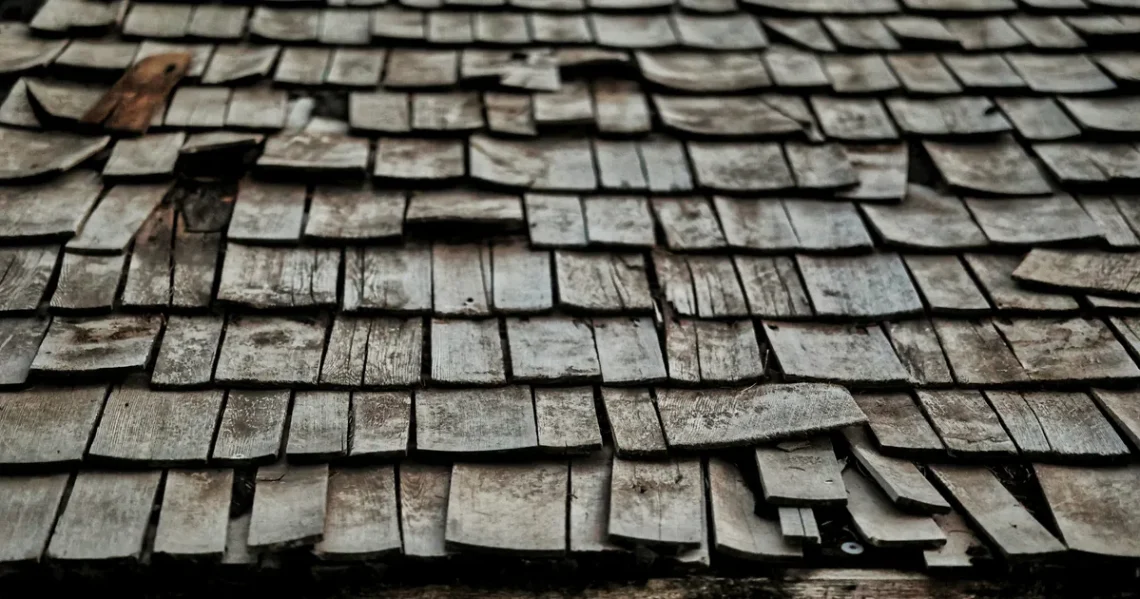
Before attempting any shingle damage control methods for immediate roof protection, your personal safety is paramount. Never climb onto a wet, icy, or severely damaged roof. High winds, unstable surfaces, and live electrical wires pose significant risks. If the damage is extensive or unsafe to access, contact emergency services or a professional roofing contractor immediately. From the ground, use binoculars to carefully inspect for obvious signs of damage such as missing shingles, visible holes, sagging areas, or debris accumulation.
A thorough initial assessment helps you understand the scope of the problem. Look for loose or curled shingles, granules accumulating in gutters, and any signs of water stains on ceilings or walls inside your home. Documenting this damage with clear photographs and videos is crucial, not only for guiding your temporary repairs but also for future insurance claims. This visual evidence will be invaluable when you eventually file a claim, providing a clear timeline and extent of the damage to your insurer.
Implement Temporary Tarping Solutions
One of the most effective shingle damage control methods for immediate roof protection involves strategically placing a tarp over compromised areas. Start by gathering necessary materials: a heavy-duty tarp (at least 6-mil thick), wooden planks or 2x4s, a hammer, roofing nails, and utility knife. Position the tarp to completely cover the damaged section, extending several feet beyond the perimeter to ensure full coverage. It’s often best to work from the highest point of damage downwards, allowing gravity to assist in water runoff.
Secure the tarp by rolling its edges around wooden planks, then nail these planks into the fascia board or a sturdy section of the roof, ensuring the nails penetrate solid wood and not just the shingle layer. For flat roofs or areas without a convenient fascia, sandbags or heavy objects can be used to weigh down the tarp edges, though this is a less secure option. The goal is to create a tight, impermeable barrier that directs water away from the damaged area, preventing further infiltration until permanent repairs can be made. This temporary measure is vital for protecting your home through adverse weather in late 2026.
Quick Patches for Minor Leaks
For smaller, isolated points of damage, quick patches can provide immediate relief. If you have missing shingles and exposed underlayment, a temporary patch using roofing cement and a shingle fragment can be very effective. Carefully clean the area, removing any loose debris. Apply a generous layer of roofing cement to the exposed felt or wood, then press a piece of matching shingle or a flexible patching material firmly into place. Ensure all edges are well-sealed with additional cement.
Another option for minor holes or cracks is specialized roof patching tape, often reinforced with aluminum or rubber. This self-adhesive tape provides a waterproof seal and is incredibly easy to apply. Simply cut the tape to size, peel off the backing, and press it firmly over the damaged area, ensuring good adhesion. These methods are designed for immediate, short-term protection and should always be followed by a professional assessment to ensure the underlying structure is sound and to implement a lasting repair.
Essential Patching Materials
Having the right materials on hand can make all the difference in an emergency. Keep a small emergency roof repair kit ready, including a tube of asphalt-based roofing cement, a roll of flashing tape, and a utility knife. Consider also having a few spare shingles that match your existing roof, if possible, as these can be invaluable for temporary fixes. While these items are readily available at most hardware stores, their strategic use can prevent significant water damage and give you peace of mind during unexpected roof emergencies.
Mitigate Indoor Water Damage
Even with immediate exterior shingle damage control methods, some water might have already entered your home. The next critical step is to mitigate interior damage. Place buckets or containers directly under active leaks to catch dripping water, preventing it from spreading across floors or damaging furniture. Use old towels or rags to absorb any standing water on surfaces. Elevate valuable items off the floor in affected areas to protect them from potential water exposure.
Promoting air circulation is also vital to prevent mold and mildew growth. Open windows and doors if weather permits, and use fans or dehumidifiers to dry out damp areas. If insulation or drywall has become saturated, it may need to be removed and replaced by a professional to prevent long-term issues. Addressing indoor water damage swiftly complements your exterior efforts, minimizing the overall impact on your property and preventing secondary problems that can be costly and hazardous to health.
When to Call a Professional
While immediate shingle damage control methods for immediate roof protection are crucial for temporary relief, they are not permanent solutions. It is imperative to contact a qualified and reputable roofing contractor as soon as possible after any significant roof damage. Professionals have the expertise, safety equipment, and knowledge to assess the full extent of the damage, including underlying issues not visible from the ground, and recommend appropriate long-term repairs. They can also assist with navigating insurance claims.
Look for contractors who are licensed, insured, and have positive local references. A professional will provide a detailed estimate and explain the necessary repairs, whether it’s replacing a few shingles, a section of the roof, or a complete re-roof. For more information on choosing a reputable contractor, the National Roofing Contractors Association (NRCA) offers excellent resources. Investing in professional repair ensures the longevity and integrity of your roof, providing lasting protection for your home well into 2026 and beyond.
Key Takeaways
- Prioritize safety above all when dealing with roof damage.
- Temporary tarping and patching are crucial for immediate damage control.
- Document all damage thoroughly for insurance purposes.
- Mitigate indoor water damage proactively to prevent secondary issues.
- Always follow temporary fixes with a professional roofing assessment and repair.
Frequently Asked Questions
Can I really fix shingle damage myself temporarily?
Yes, for minor damage like a few missing shingles or small holes, temporary fixes using roofing cement, flashing tape, or a tarp are feasible. These methods are designed to prevent further water intrusion until a professional can perform a permanent repair. Always prioritize safety and avoid working on a wet or unstable roof.
How long do temporary roof repairs last?
Temporary repairs, such as tarping or patching with roofing cement, are generally designed to last from a few days to a few weeks. Their lifespan depends heavily on the quality of the application, the materials used, and subsequent weather conditions. They are not meant as permanent solutions and should be replaced by professional, lasting repairs promptly.
What should I do if my roof leaks after a storm?
Immediately move valuables from the area, place buckets to catch water, and take photos or videos of the damage. Once it’s safe, assess the exterior damage from the ground. Implement temporary shingle damage control methods for immediate roof protection like tarping. Then, contact your insurance company and a professional roofing contractor without delay.
Does my homeowner’s insurance cover emergency roof repairs?
Most homeowner’s insurance policies cover sudden and accidental damage to your roof, such as that caused by storms, hail, or falling trees. However, coverage varies, and policies typically don’t cover damage from neglect or normal wear and tear. It’s essential to review your specific policy and contact your insurance provider as soon as damage occurs to understand your coverage and claims process.
Conclusion
Mastering shingle damage control methods for immediate roof protection is an invaluable skill for any homeowner. By understanding how to safely assess damage, apply temporary fixes, and mitigate indoor issues, you can significantly reduce the potential for costly, extensive repairs. Remember, these immediate actions are a bridge to professional restoration, ensuring your home remains secure and protected. Don’t hesitate to share your own emergency roof protection tips or ask questions in the comments below—your insights could help another homeowner in need!