Ensuring the safety and reliability of your home’s electrical system begins with a thorough understanding of its central hub: the emergency breaker panel. This comprehensive safe emergency breaker panel inspection guide is designed to empower homeowners with the knowledge to conduct preliminary visual checks, identify potential hazards, and understand when professional intervention is absolutely necessary. A well-maintained electrical panel is critical for preventing electrical fires, power outages, and ensuring the smooth operation of all your appliances. By following these guidelines, you can significantly enhance your household’s electrical safety, extending the life of your system and protecting your loved ones from unforeseen dangers associated with neglected electrical components. Prioritizing regular inspections is a proactive step towards a secure and efficient home electrical infrastructure.
Understanding Your Home’s Electrical Heart
Your electrical breaker panel, often referred to as a service panel or load center, is the central distribution point for electricity throughout your home. It receives power from the utility company and then distributes it to individual circuits, each protected by a circuit breaker. These breakers are crucial safety devices designed to automatically cut off power to a circuit if it becomes overloaded or experiences a short circuit, preventing overheating and potential fires. Understanding the basic layout and function of your panel is the first step in any safe emergency breaker panel inspection. Familiarize yourself with the main breaker, which controls all power to your home, and individual circuit breakers that protect specific areas or appliances. Knowing their locations and functions is fundamental for quick and safe operation during an emergency.
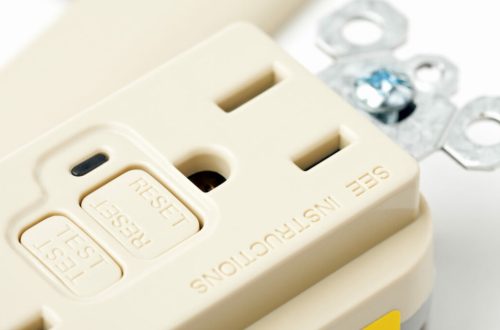
Beyond its primary function of power distribution, the electrical panel acts as a critical safety barrier. It houses various types of circuit breakers, including standard thermal-magnetic breakers, ground-fault circuit interrupters (GFCIs), and arc-fault circuit interrupters (AFCIs). GFCIs protect against severe electrical shock, particularly in areas near water, while AFCIs are designed to detect dangerous electrical arcs that can lead to fires. Regularly checking these specialized breakers, typically by testing their “TEST” buttons, ensures they are functioning correctly. Proper maintenance and a clear understanding of these components are vital for any homeowner looking to maintain a safe and reliable electrical system, especially as electrical demands on modern homes continue to grow with new technologies in 2026.
Essential Safety Precautions Before Inspection
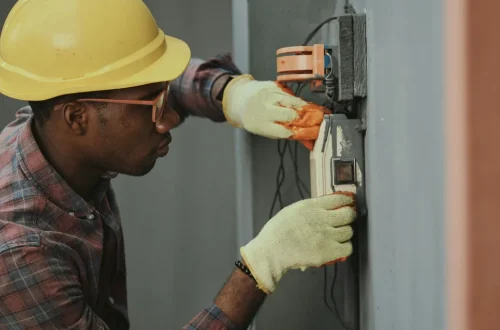
Before you even think about opening your emergency breaker panel, safety must be your absolute top priority. Never attempt to inspect a panel if you are uncomfortable or lack basic electrical knowledge, as live electricity can be extremely dangerous, even fatal. Always wear appropriate personal protective equipment (PPE), including insulated gloves and safety glasses, to protect against potential shocks or arc flashes. Ensure the area around the panel is clear of obstructions, dry, and well-lit. It is imperative to inform other household members that you will be working on the electrical panel and to avoid using high-power appliances during the inspection. Remember, even a visual inspection can pose risks if not approached with the utmost caution and respect for the electrical current.
The most critical safety step before any physical interaction with the panel is to turn off the main power supply to your home. While a visual inspection often doesn’t require direct contact with live components, unexpected events can occur. Locate your main service disconnect, usually a large breaker at the top of the panel or in a separate enclosure, and switch it to the “OFF” position. Verify that power is indeed off by attempting to turn on lights or appliances in different areas of your home. If you are unsure about turning off the main power or locating the correct breaker, it is always best to err on the side of caution and consult a qualified electrician. Your safety is paramount, and no inspection is worth risking personal injury or damage to your home. For more detailed safety guidelines, refer to resources like the Electrical Safety Foundation International at ESFI.org.
Step-by-Step Visual Inspection Process
Once essential safety precautions are in place and the main power is off, you can begin a careful visual inspection of your emergency breaker panel. Start by examining the exterior of the panel cover. Look for any signs of physical damage, rust, corrosion, or discoloration, which could indicate moisture intrusion or overheating. Check that the panel door closes securely and that all labels for individual circuits are legible and accurate. An unorganized or improperly labeled panel can lead to confusion and dangerous errors during an emergency. Ensure there are no open knockouts or missing covers, as these expose live components and allow pests or debris to enter, potentially causing short circuits or other hazards.
With the panel cover carefully removed (if the main power is off and you are comfortable doing so, otherwise this step is for professionals), focus your visual inspection on the interior components. Look for any signs of melted insulation, burnt wires, loose connections, or discolored areas on the circuit breakers or bus bars. These are clear indicators of overheating, often caused by loose connections or overloaded circuits, and require immediate professional attention. Pay close attention to the wiring; it should be neatly routed and properly secured within the panel. Any frayed or exposed wiring is a significant safety hazard. Also, check for any evidence of pests, such as rodent droppings or nests, as they can chew through wiring and create dangerous conditions within the panel. This thorough visual scan is a key part of any safe emergency breaker panel inspection guide.
Identifying Common Breaker Issues
During your visual inspection, specific issues with circuit breakers themselves warrant particular attention. A tripped breaker, identifiable by its handle being in an intermediate or “OFF” position, indicates an overload or fault on that circuit. While resetting it often resolves the issue, repeated tripping suggests an underlying problem that needs investigation. Look for breakers that feel unusually hot to the touch (only if power is off and safe to do so) or show signs of charring or discoloration around their switches. These are strong indicators of internal failure or consistent overloading. Ensure all breakers are securely seated in the panel; a loose breaker can lead to intermittent power issues or arc faults. Any breaker that appears damaged, cracked, or has a loose toggle should be replaced by a qualified electrician immediately.
Beyond visible damage, pay attention to the labels and ratings of your circuit breakers. Ensure that the amperage rating of the breaker matches the gauge of the wire it protects and the load it serves. Installing a breaker with too high an amperage for the wiring can lead to dangerous overheating without tripping, a serious fire hazard. Conversely, an undersized breaker will trip frequently, indicating an overloaded circuit that needs to be redistributed or upgraded. Familiarize yourself with the different types of breakers (standard, GFCI, AFCI) and their respective functions. If you notice any outdated or recalled breaker brands, such as certain Federal Pacific Electric (FPE) Stab-Lok or Zinsco panels, these should be professionally evaluated and likely replaced, as they are known for significant safety defects. Consult a trusted electrician for guidance on these legacy systems.
Advanced Checks and Professional Intervention
While a safe emergency breaker panel inspection guide empowers homeowners with valuable visual assessment skills, there are critical limitations to DIY efforts. Any internal inspection involving direct contact with wiring, testing voltages, or replacing components should always be left to a licensed electrician. Professionals possess specialized tools, training, and experience to safely diagnose complex issues, such as intermittent shorts, ground faults, or failing bus bars, which are not visible to the untrained eye. They can perform critical diagnostic tests like voltage drop tests, insulation resistance tests, and thermal imaging to identify hidden problems that could lead to serious hazards like electrical fires or system failures. Attempting these advanced checks yourself can lead to severe injury or further damage to your electrical system.
Knowing when to call a professional is paramount for electrical safety. If your visual inspection reveals any signs of burning, melting, persistent tripping, buzzing sounds emanating from the panel, or a distinct burning smell, do not delay in contacting an electrician. Similarly, if your home is older and still utilizes a fuse box, or if your breaker panel appears to be original to a home built several decades ago, a professional evaluation is highly recommended. Outdated electrical systems may not be able to handle the demands of modern appliances and electronics, increasing the risk of overloads and fires. An electrician can assess your system’s capacity, recommend necessary upgrades, and ensure compliance with current electrical codes, providing peace of mind for you and your family well into 2026 and beyond.
Professional electricians can also perform specialized tasks such as tightening connections on bus bars and breakers, which can loosen over time due to thermal expansion and contraction, leading to increased resistance and heat. They can also ensure proper grounding and bonding, which are essential for preventing electrical shock and protecting sensitive electronics from surges. Furthermore, an electrician can advise on the installation of whole-house surge protectors, which add an extra layer of defense against power fluctuations. Investing in regular professional maintenance, typically every 3-5 years, is a wise decision that can prevent costly repairs and ensure the long-term safety and efficiency of your home’s electrical system. For information on finding a qualified electrician, consider consulting resources from the National Electrical Contractors Association at NECA.org.
Maintaining Your Electrical Panel for Longevity
Proactive maintenance extends the life of your emergency breaker panel and enhances the overall safety of your home’s electrical system. Beyond periodic visual inspections, there are practical steps homeowners can take to support their panel’s health. Ensure the area around your panel remains clear and accessible at all times, free from storage, clutter, or flammable materials. This provides crucial access for emergency situations and allows for proper ventilation, preventing heat buildup. Keep the panel door securely closed to protect internal components from dust, debris, and accidental contact. Periodically, gently dust the exterior of the panel, ensuring vents are not blocked, which could hinder heat dissipation.
Avoiding overloading circuits is a fundamental aspect of maintaining your electrical panel. Be mindful of how many high-power appliances are plugged into a single circuit, especially in older homes. If a breaker frequently trips, it is a clear signal that the circuit is being overloaded, and simply resetting it without addressing the cause is a dangerous practice. Consider distributing electrical loads more evenly or consulting an electrician about adding new circuits if your power demands have increased significantly. Additionally, ensure that any new electrical work or appliance installations are performed by qualified professionals who will adhere to electrical codes, preventing improper wiring that could strain your panel and compromise safety. Regular, informed attention to your panel will save you from future headaches and potentially hazardous situations.
Emergency Situations and Breaker Panel Response
Understanding how to respond to electrical emergencies involving your breaker panel is a critical component of any safe emergency breaker panel inspection guide. In the event of a power surge, which can occur due to lightning strikes or utility issues, your panel’s breakers (and potentially a whole-house surge protector, if installed) are designed to trip to protect your appliances and wiring. If you experience a complete power outage, check your main breaker first, then individual circuit breakers. If a breaker has tripped, you can attempt to reset it once. However, if it immediately trips again, do not force it back on; this indicates a persistent fault that requires professional diagnosis to avoid an electrical fire.
The most serious emergency involving your breaker panel is an electrical fire. If you see smoke, sparks, or flames emanating from the panel, or smell a strong burning odor, immediately evacuate everyone from the house and call 911. Do NOT attempt to extinguish an electrical fire with water, as this can worsen the situation and cause severe electrical shock. If it is safe to do so and you know the location, you might attempt to turn off the main power from an external disconnect (if available) or the main breaker inside the panel, but only if there is absolutely no risk to your safety. Your primary concern in such a situation should always be the safety of yourself and your family. Having an emergency plan that includes knowing the location of your main breaker and fire extinguishers rated for electrical fires (Class C) is invaluable.
Key Takeaways
- Always prioritize safety: never work on a live panel without proper training and PPE.
- Regular visual inspections can identify early signs of damage or wear, such as corrosion or discoloration.
- Understand your panel’s components, including the main breaker, GFCIs, and AFCIs, for better safety management.
- Repeatedly tripping breakers, burning smells, or buzzing sounds warrant immediate professional electrical attention.
- Avoid overloading circuits and ensure your panel remains clear and accessible for emergencies.
- Leave all internal wiring, voltage testing, and component replacements to licensed electricians.
- Regular professional check-ups, ideally every 3-5 years, are vital for long-term panel health and safety.
Frequently Asked Questions
How often should I inspect my emergency breaker panel?
A homeowner can perform a basic visual inspection of the exterior of their emergency breaker panel annually, looking for signs of damage or obstruction. However, a comprehensive internal inspection by a licensed electrician is recommended every 3 to 5 years, or immediately if you notice any unusual smells, sounds, or frequent breaker trips. Older homes or those with known problematic panels might benefit from more frequent professional evaluations.
What are the common signs of a dangerous electrical panel?
Signs of a dangerous electrical panel include frequent breaker trips, a burning smell or visible scorch marks around breakers, buzzing or crackling sounds from within the panel, flickering lights throughout the house, and a panel that feels hot to the touch. If you observe any of these symptoms, it’s crucial to contact a qualified electrician immediately for a thorough assessment to prevent potential hazards.
Can I open my breaker panel myself for inspection?
While you can visually inspect the exterior of your breaker panel for issues like rust or obstructions, opening the panel cover to inspect internal components is generally not recommended for untrained individuals. This exposes you to live electrical parts which can cause severe shock or arc flash. Always turn off the main power if you absolutely must open it for a quick visual scan, but it’s safest to leave internal inspections to licensed electricians.
What is the difference between a GFCI and an AFCI breaker?
A Ground Fault Circuit Interrupter (GFCI) breaker is designed to protect against electrical shock by detecting imbalances in current flow, typically caused by a person becoming part of a ground fault path. An Arc Fault Circuit Interrupter (AFCI) breaker, conversely, protects against electrical fires by detecting dangerous electrical arcs (sparks) in wiring, which can occur due to damaged insulation or loose connections. Both are crucial safety devices, protecting against different types of electrical hazards.
When should I consider upgrading my electrical panel?
You should consider upgrading your electrical panel if it’s an older model (especially fuse boxes or known problematic brands), if you’re frequently experiencing tripped breakers, if you’re adding major new appliances (like central air conditioning, EV chargers), or undertaking a significant home renovation. An upgrade ensures your electrical system can safely handle increased demand and meets current safety codes, providing peace of mind for future electrical needs in 2026.
Conclusion
Mastering the principles of a safe emergency breaker panel inspection guide is an indispensable skill for any homeowner committed to maintaining a secure and efficient living environment. While routine visual checks can reveal many potential problems, understanding the critical junctures at which professional electrical expertise becomes essential is paramount. Prioritizing safety, recognizing warning signs, and investing in periodic professional evaluations are key strategies for preventing electrical hazards and ensuring the longevity of your home’s electrical infrastructure. By taking a proactive approach to your electrical panel’s health, you not only safeguard your property but also protect the well-being of everyone under your roof, ensuring a reliably powered and safe home for years to come.
- Short Circuit Detection Techniques & Immediate Response Strategies: A Guide
- DIY Drywall Repair for Small Holes and Wall Cracks
- How to Quickly Fix a Jammed Sliding Glass Patio Door in an Emergency
- GFCI Won't Reset? How To Fix An Outlet That Won't Click Back In
- Common Household Repairs That Save Money on Contractors