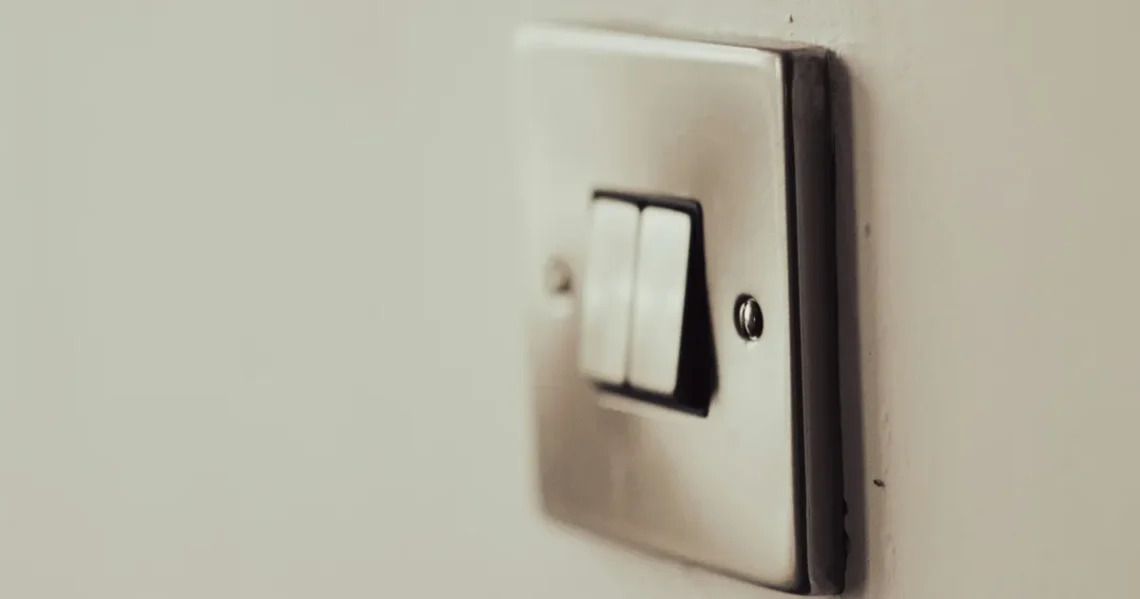
It can be quite unsettling when a wall switch feels hot to the touch, and it’s a sensation that immediately sparks concern for good reason. As your friendly neighborhood blogger, I want to assure you that noticing this is a smart move, and addressing it promptly is absolutely essential for your home’s safety. While a very slight warmth might sometimes be normal for switches controlling high-wattage devices like dimmer switches or those handling heavy loads, a noticeably hot switch is a clear signal that something isn’t right behind your wall. Don’t panic, but do take action. This article will walk you through what to do, why it might be happening, and how to keep your home safe and sound.
Immediate Steps to Take for Safety
If you discover that a wall switch feels hot to the touch, your first priority is to ensure safety by cutting off the power. Do not ignore this issue, as it could indicate an electrical problem that poses a fire risk. Head straight to your home’s electrical service panel, often located in the basement, garage, or a utility closet. Locate the circuit breaker that corresponds to the room or area where the hot switch is. If you’re unsure which breaker it is, it’s always safest to switch off the main breaker to your entire home. This will de-energize the circuit and stop any potential overheating or arcing, effectively mitigating the immediate danger.
Once the power is off, avoid using that switch or any connected appliances until the underlying cause has been identified and resolved by a qualified professional. It’s tempting to simply try to ignore it, but electrical issues don’t resolve themselves and can escalate over time. Even if the switch cools down after the power is off, the problem still exists within the wiring or the switch mechanism itself. Taking these immediate steps ensures that you’re not putting yourself or your household at risk while you figure out the next course of action to properly diagnose and fix the situation.
Common Reasons Your Switch Gets Hot
There are several reasons why a wall switch might feel hot to the touch, and understanding these can help you communicate effectively with an electrician. One of the most frequent culprits is an overloaded circuit. If you have too many high-wattage devices plugged into outlets on the same circuit, or if the switch itself is controlling a fixture with a bulb wattage higher than its rating, it can cause the switch to heat up significantly. This isn’t just about the number of items, but the total electrical draw, which generates excessive heat within the switch mechanism and its wiring connections.
Another common cause relates to faulty wiring or loose connections. Over time, wires can become loose from the switch terminals due to vibration, improper installation, or wear and tear. A loose connection creates increased resistance, which in turn generates heat. Similarly, damaged insulation on wires can lead to short circuits or arcing, both of which produce intense heat and are significant fire hazards. Sometimes, the switch itself might be faulty or old. Internal components can degrade, leading to increased resistance and overheating. This is particularly true for older switches that may not meet modern safety standards or simply have reached the end of their operational lifespan.
Understanding Overloaded Circuits and Components
An overloaded circuit occurs when the current flowing through it exceeds its rated capacity, causing wires and components, including switches, to heat up. Imagine a pipe trying to carry too much water; the pressure builds up. In electrical terms, this “pressure” manifests as heat. This can happen if you’ve recently added new appliances or high-demand lighting to a room without upgrading the electrical system to accommodate the increased load. For instance, if you have a standard 15-amp circuit and you’re simultaneously running a space heater, a high-wattage hair dryer, and a powerful vacuum cleaner, you could easily exceed the circuit’s capacity, causing the wall switch connected to one of these items to become noticeably hot.
When It’s Time to Call an Electrician
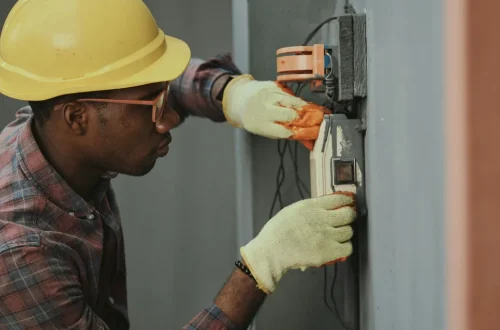
While taking immediate safety steps is crucial, diagnosing and fixing a hot wall switch is almost always a job for a qualified electrician. Unless you are a trained and certified professional with extensive experience in electrical work, you should not attempt to open the switch or inspect the wiring yourself. Dealing with live electricity is extremely dangerous and can result in severe injury, electrocution, or even death. An electrician has the tools, knowledge, and experience to safely identify the root cause of the problem, whether it’s an overloaded circuit, faulty wiring, or a defective switch.
Look for electricians who are licensed and insured in your area. You can often find reputable professionals through local recommendations, online reviews, or by checking with your state’s licensing board. When you contact them, clearly describe the issue: that a wall switch feels hot to the touch and that you’ve already turned off the power to that circuit. Provide any additional details, such as when you first noticed the heat, if any specific appliances were in use at the time, or if the problem is intermittent. A professional will be able to assess the situation thoroughly, make necessary repairs, and ensure your electrical system is safe and up to code for 2026 and beyond.
Understanding Electrical Safety Basics
Understanding basic electrical safety principles is paramount for every homeowner, even if you never plan to tackle electrical repairs yourself. Electricity is powerful and unforgiving, and respecting its potential dangers is the first step towards preventing accidents. Always assume wires are live until proven otherwise with a voltage tester, even after a breaker has been switched off. Never touch bare wires, and always ensure your hands are dry when interacting with electrical outlets or switches. Education on common hazards, such as overloaded outlets, frayed cords, and improper grounding, can significantly reduce risks in your home. The Electrical Safety Foundation International (ESFI) offers a wealth of resources on home electrical safety, which can be invaluable for learning more about protecting your family and property.
Furthermore, be aware of the signs of electrical problems beyond just a hot switch. Flickering lights, frequently tripping circuit breakers, burning smells, or sparks from outlets are all red flags that demand immediate attention from a professional. Regular inspections of your electrical system, especially in older homes, can help identify potential issues before they become dangerous. Staying informed about the proper use of extension cords, understanding appliance wattage, and knowing the limits of your home’s electrical capacity are all vital aspects of maintaining a safe living environment. Remember, when in doubt about any electrical issue, err on the side of caution and consult an expert to prevent serious incidents.
Prevention: Keeping Your Switches Cool
Preventing your wall switches from overheating involves a combination of smart usage and proactive maintenance. First and foremost, avoid overloading circuits. Be mindful of how many high-wattage appliances are running on a single circuit simultaneously. If you notice lights dimming when an appliance kicks on, it’s a sign that the circuit is nearing its capacity. For new installations or renovations in 2026, consider having dedicated circuits installed for high-demand appliances like microwaves, air conditioners, or power tools, rather than relying on general-purpose circuits. This distributes the electrical load more evenly and reduces the strain on individual switches and wiring.
Secondly, ensure that all light fixtures and appliances are used with appropriate wattage bulbs and according to manufacturer specifications. Installing a bulb with a higher wattage than a fixture is rated for can cause excessive heat in the fixture, which can then transfer to the switch. Regularly check your outlets and cords for any signs of wear, fraying, or damage. Replace any faulty switches or outlets promptly, ideally with components that meet current safety standards. If you have older switches, especially those that feel loose or make unusual noises, consider having them inspected and potentially replaced by a certified electrician during routine maintenance checks to proactively address potential issues before they become serious safety hazards.
Key Takeaways
- A hot wall switch is a serious safety concern that requires immediate attention.
- Turn off the circuit breaker to the affected area or the main breaker immediately.
- Common causes include overloaded circuits, loose wiring, or faulty switches.
- Never attempt to fix electrical issues yourself unless you are a qualified professional.
- Always hire a licensed and insured electrician for diagnosis and repair.
- Prevent hot switches by avoiding circuit overloads and using correct wattage bulbs.
Frequently Asked Questions
Is it normal for a wall switch to be slightly warm?
While a very slight warmth can sometimes be normal, especially for dimmer switches or switches controlling high-wattage appliances like powerful ceiling fans, a noticeably hot or burning-smelling switch is a definite warning sign. If it feels more than just a little warm, or if the warmth is sudden and persistent, it indicates a problem that needs investigation.
Can I just ignore a hot wall switch if it cools down?
Absolutely not. If a wall switch feels hot to the touch and then cools down after turning off the power, the underlying issue still exists. Ignoring it could lead to intermittent overheating, potential electrical fires, or damage to your home’s electrical system. Always have it inspected by a professional.
What tools do I need to inspect a hot wall switch?
Unless you are a trained and certified electrician, the only “tool” you should use is your phone to call a licensed professional. Attempting to open or inspect a wall switch without proper training and safety equipment is extremely dangerous and could result in electrocution or serious injury.
How often should I have my home’s electrical system inspected?
For most homes, particularly those older than 10-20 years, it’s a good idea to have a comprehensive electrical inspection every 5-10 years. If your home is very old, or if you’ve recently purchased it, an immediate inspection is recommended. This helps identify potential hazards and ensure your system meets current safety codes, important even for modern homes in 2026.
Could a hot switch be due to a problem with the light fixture itself?
Yes, definitely. If the light fixture connected to the switch has a bulb with a wattage higher than its rating, or if there’s faulty wiring within the fixture itself, the heat generated can travel back to the switch, causing it to become hot. An electrician will check both the switch and the connected load.
Conclusion
Discovering that a wall switch feels hot to the touch is a clear signal that your home’s electrical system needs immediate attention. While it can be concerning, your swift action in turning off the power is the most critical first step to ensure safety. Remember, electrical issues are not to be trifled with, and attempting DIY repairs without proper expertise can be incredibly dangerous. Always prioritize the safety of your home and loved ones by contacting a qualified, licensed electrician to diagnose and resolve the problem. By taking proactive measures and understanding the warning signs, you can maintain a safe and functional electrical system for years to come, giving you peace of mind.
- Residential Water Damage Mitigation: Essential Techniques for Your Home
- Essential Electrical Safety Checklist Before Fixing Home Appliances
- Safe Entry Practices for Testing Air Quality in a Flooded Basement: A Safety Guide
- How to Repair Stripped Plastic Pipe Threads with Teflon Tape
- Property Damage Recovery After Water Exposure: An Essential Planning Guide