Oh, the dreaded main sewer line blockage! It’s one of those household nightmares that can send shivers down any homeowner’s spine. When you’re facing a situation where you need to clear a completely blocked main sewer line exit point, it can feel overwhelming, messy, and frankly, a bit scary. But don’t despair! As your friendly neighborhood blogger, I’m here to guide you through the process with a warm, approachable, and practical step-by-step breakdown. While some blockages definitely require a professional, understanding the signs, safety precautions, and initial DIY steps can save you time, money, and a whole lot of stress. Let’s tackle this plumbing challenge together, turning that panic into a plan!
Recognizing Signs of a Main Sewer Blockage
Before you even think about grabbing tools, it’s crucial to correctly diagnose that you have a main sewer line issue, specifically at the exit point. The most telling sign is when multiple plumbing fixtures in your home start acting up simultaneously. This isn’t just a single clogged toilet; we’re talking about toilets backing up when you flush a nearby sink, bathtubs draining sluggishly after a shower, or even sewage bubbling up into your shower pan or basement floor drain. These widespread symptoms point to a blockage beyond individual fixture traps, indicating a problem in the main artery of your home’s wastewater system.
Another strong indicator of a completely blocked main sewer line exit point is the presence of foul odors emanating from drains, especially in lower levels of your home. You might also hear gurgling sounds from toilets or drains when water is used elsewhere in the house. These gurgles are often air trapped by the blockage trying to escape, creating a vacuum effect. If left unaddressed, these issues will only escalate, potentially leading to significant water damage and unsanitary conditions, making prompt identification and action vital for your home’s well-being.
Safety First: Essential Precautions
Before you dive into the dirty work of clearing a blocked main sewer line exit point, prioritizing safety is non-negotiable. Raw sewage contains harmful bacteria and pathogens, so protecting yourself from exposure is paramount. Always wear heavy-duty rubber gloves that extend up your forearms, and consider a long-sleeved shirt to minimize skin contact. Eye protection, such as safety glasses or goggles, is also crucial to shield against splashes. Additionally, a respirator or face mask can prevent you from inhaling noxious fumes and airborne contaminants.
Ensure your work area is well-ventilated, especially if you’re working in a confined space like a basement or crawl space. Open windows and doors, or use fans to circulate fresh air. Have a bucket or large container nearby to catch any overflow or debris that might come out once the cleanout cap is removed. Lastly, always know where your main water shut-off valve is located. In case the situation worsens or an uncontrolled flow of sewage occurs, you’ll need to quickly cut off the water supply to prevent further damage. These steps are essential for a safe and successful repair attempt in 2026.
Locating and Accessing Your Main Sewer Cleanout
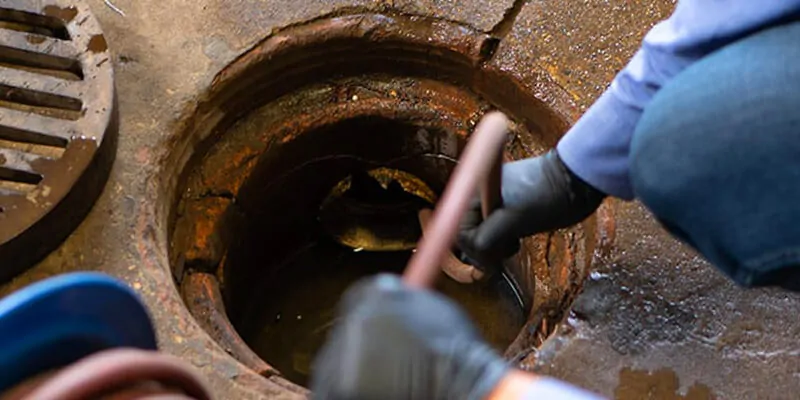
The main sewer cleanout is your direct access point to the main sewer line, bypassing all the smaller drains within your home. It’s usually a capped pipe, often 3-4 inches in diameter, that provides a direct pathway for clearing blockages. You’ll typically find it outdoors, near your house’s foundation, especially close to bathrooms or the main utility area. It could be a white PVC pipe or a cast-iron pipe with a threaded cap. Sometimes, it’s buried under a small access box or just beneath the soil, requiring a bit of digging to uncover.
Once located, carefully remove the cleanout cap. If it’s a threaded cap, use a pipe wrench to turn it counter-clockwise. Be prepared for a sudden rush of water and sewage once the cap is loosened, especially if the line is completely blocked. This is why having a bucket ready and standing clear is so important. If there’s significant pressure, loosen the cap slowly, allowing the pressure to release gradually. This initial release can sometimes clear minor blockages, but for a completely blocked main sewer line exit point, more intervention is typically needed.
Understanding Different Cleanout Types
Main sewer cleanouts come in various forms, primarily depending on the age of your home and local plumbing codes. Older homes often feature cast-iron cleanouts with a heavy, threaded metal cap. These can be stubborn to open due to rust or paint and may require more leverage with a sturdy pipe wrench. Newer homes typically have PVC cleanouts with a plastic cap, which are generally easier to remove. Some properties might have an “outside” cleanout, usually a vertical pipe extending from the ground, while others have a “basement” or “interior” cleanout, often found near a floor drain. Identifying your type helps in choosing the right tools and approach.
Tools of the Trade: What You’ll Need
To effectively clear a completely blocked main sewer line exit point, having the right tools on hand is crucial. The primary tool you’ll need is a sewer snake or auger. For main lines, you’ll want a heavy-duty model, either a manual hand auger with at least 50 feet of cable or, preferably, an electric auger that offers more power and reach. These can often be rented from local hardware stores. Ensure the auger head is appropriate for the pipe size, usually a cutting or retrieving head.
Beyond the auger, gather a few other essentials. A powerful flashlight will help you inspect the pipe and the auger cable. A large bucket or small bin is necessary for catching any overflow when the cleanout cap is removed and for holding any debris pulled out. A pair of heavy-duty work gloves, safety glasses, and potentially a respirator are critical for personal protection. You might also need a pipe wrench for stubborn cleanout caps and towels or old rags for cleanup. For more information on proper tool usage, consider consulting resources like This Old House.
The DIY Approach: Snaking Your Sewer Line
Once you’ve safely opened the cleanout, it’s time to deploy your sewer snake or auger. Carefully feed the auger cable into the cleanout opening, pushing it slowly down the main line towards the blockage. If you’re using a manual auger, crank the handle clockwise as you push to help the cable navigate bends and chew through minor obstructions. For an electric auger, follow the manufacturer’s instructions, typically engaging the motor as you feed the cable. The key is to avoid forcing the cable, as this can cause it to kink or damage the pipe.
You’ll feel resistance when the auger head hits the blockage. Once you’ve reached it, continue to feed the cable and rotate it, allowing the auger head to break apart the obstruction. Move the cable back and forth, and rotate it for several minutes to ensure the blockage is thoroughly cleared. If you suspect you’ve snagged something like roots, try to pull the cable back slowly to retrieve it. After you feel the blockage has cleared, slowly retract the auger cable, cleaning it with a hose as you pull it out. Run water from a faucet or flush toilets to confirm the line is flowing freely.
When to Call a Pro: Recognizing Your Limits
While tackling a blocked main sewer line exit point yourself can be empowering, there are definite limits to DIY plumbing. If you’re unable to locate your cleanout, or if the cap is rusted solid and won’t budge, it’s time to call a professional. Similarly, if your auger cable doesn’t reach the blockage even after extending its full length, or if you repeatedly hit what feels like an immovable object, you might be dealing with a deep obstruction or a broken pipe that requires specialized equipment like a sewer camera.
Recurring blockages are another strong indicator that professional help is needed. If you clear the line only for the problem to return within a few weeks or months, it suggests an underlying structural issue, such as tree root intrusion, a collapsed pipe, or significant pipe belly (a sag in the line that collects debris). Professionals have advanced tools like hydro-jetters, which use high-pressure water to blast away blockages, and sewer cameras to accurately diagnose the problem. Investing in professional service for deep or persistent issues can prevent more costly damage down the line, ensuring your plumbing system is robust for years to come, well into 2026. For guidance on finding a reputable plumber, resources like the Plumbing-Heating-Cooling Contractors Association (PHCC) can be very helpful.
Key Takeaways
- Recognize widespread plumbing issues and foul odors as key signs of a main sewer line blockage.
- Always prioritize safety with gloves, eye protection, and proper ventilation when working with sewage.
- Locate your main sewer cleanout, usually a capped pipe near your home’s foundation.
- Use a heavy-duty sewer snake or auger to break up and clear the obstruction.
- Feed the auger slowly, rotating it to effectively clear the blockage, then retract and clean.
- Know when to call a professional: for stubborn blockages, recurring issues, or suspected pipe damage.
Frequently Asked Questions
Can I use chemical drain cleaners for a main sewer line blockage?
It is strongly advised against using chemical drain cleaners for a main sewer line blockage. These chemicals are typically designed for small clogs in individual drains and can be ineffective against large, main line obstructions. More importantly, they can be highly corrosive, damaging your pipes, harming the environment, and creating dangerous fumes. If they don’t clear the blockage, they’ll sit in the pipe, making the situation hazardous for anyone who subsequently tries to clear the line manually, including plumbers.
How often should I clean my main sewer line?
The frequency of main sewer line cleaning depends on several factors, including the age of your home, the presence of large trees near your line, and your household’s usage habits. As a general rule, many plumbers recommend a preventative cleaning every 1-3 years, especially if you have older pipes or a history of root intrusion. For newer homes with no prior issues, you might not need to clean it until you notice the first signs of a problem.
What are the most common causes of main sewer line blockages?
The most common culprits behind main sewer line blockages are tree roots, which can infiltrate tiny cracks in pipes and grow, eventually blocking the flow. Other significant causes include flushing non-biodegradable items like “flushable” wipes, feminine hygiene products, or excessive paper. Grease buildup from kitchen sinks, combined with food particles, can also solidify and create stubborn obstructions. Lastly, collapsed or broken pipes due to shifting soil or age can also lead to a complete blockage.
What should I do if the cleanout cap is stuck or broken?
If your cleanout cap is stuck due to rust, paint, or overtightening, try applying penetrating oil and letting it sit for a while before attempting to loosen it again with a sturdy pipe wrench. If it’s a plastic cap and it’s stripped or broken, you might need to carefully cut it off with a hacksaw or oscillating tool, taking extreme care not to damage the pipe itself. In either case, if you’re uncomfortable or unsuccessful, it’s best to call a professional plumber to avoid further damage.
Is a hydro-jetter better than a sewer snake for clearing blockages?
A hydro-jetter is often superior to a sewer snake, especially for clearing stubborn blockages like grease buildup or extensive tree roots. While a snake can punch a hole through a blockage, a hydro-jetter uses high-pressure water to thoroughly clean the entire pipe wall, effectively scouring away debris and preventing immediate recurrence. However, hydro-jetters are powerful and require professional training to operate safely and effectively, as improper use can damage pipes. They are generally not a DIY tool.
Conclusion
Facing a completely blocked main sewer line exit point is undoubtedly a challenging situation, but with the right knowledge and tools, you can often tackle the initial steps yourself. Remember to always prioritize your safety, carefully locate and access your cleanout, and use the appropriate equipment like a heavy-duty sewer auger. While DIY solutions can be effective for many blockages, recognizing when to call in a professional is just as important. Don’t hesitate to seek expert help for persistent problems, deep obstructions, or suspected pipe damage. By being proactive and informed, you can keep your home’s plumbing system flowing smoothly and prevent future headaches, ensuring peace of mind for you and your family well into 2026.
- Property Damage Recovery After Water Exposure: An Essential Planning Guide
- Safe Entry Practices for Testing Air Quality in a Flooded Basement: A Safety Guide
- GFCI Won't Reset? How To Fix An Outlet That Won't Click Back In
- How to Temporarily Fix a Shower Pipe Leak (No Replacement Required)
- Roof Inspection Guide to Identify Hidden Damage Early