Mastering a DIY home maintenance checklist for every season is the definitive secret weapon for homeowners looking to protect their largest financial asset in 2026. While many believe that professional contractors are the only ones capable of preserving a property’s integrity, the reality is that consistent, small-scale interventions prevent the catastrophic failures that lead to five-figure repair bills. As investigative reporting into real estate trends shows, the homes that retain the highest market value are those with a documented history of seasonal upkeep. By shifting from a reactive repair mindset to a proactive seasonal cycle, you essentially buy yourself peace of mind while curbing the rising costs of labor and materials in our current economy. This guide pulls back the curtain on the essential tasks that keep your sanctuary standing strong through every climate shift.
Spring: The Season of Renewal

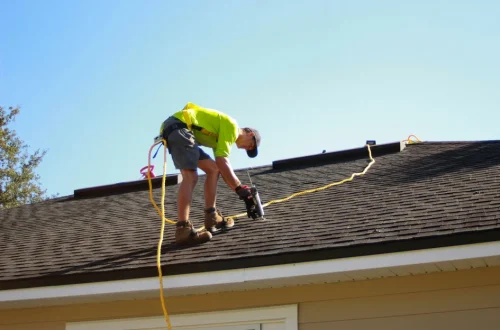
As the frost retreats in early 2026, the exterior of your home is the most vulnerable it will be all year. The primary objective during spring is damage assessment, specifically looking for water intrusion caused by the freeze-thaw cycles of the previous winter. Inspect your roof for missing shingles and ensure your gutters are free of debris to prevent foundation pooling. Most homeowners neglect the grading around their house, but soil erosion near the slab is a leading cause of structural cracking. Taking a few hours to clear drainage paths now can save you thousands in basement waterproofing costs later.
Beyond the exterior, spring is the ideal time to service your cooling systems before the summer heat spikes. HVAC technicians often report that the most common reason for compressor failure is a clogged condenser coil. You can easily clean these fins with a garden hose on a gentle setting, which immediately improves efficiency. Also, check your window seals and door weatherstripping for degradation. According to data from the Energy Star program, sealing these small gaps can reduce your monthly cooling bill by up to 15 percent, making this a high-impact task for any budget-conscious property owner.
Summer: High-Efficiency Living
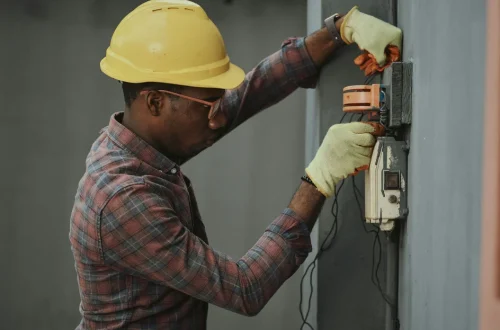
Summer maintenance is less about heavy labor and more about monitoring the systems working hardest under high temperatures. Your electrical panel, plumbing fixtures, and outdoor irrigation systems are under constant strain during these months. It is critical to test your GFCI outlets in bathrooms and kitchens, as these safety devices are prone to seizing up over time. If a button fails to trip the circuit, the outlet is no longer protecting your family from electrical shocks. In 2026, smart home sensors have become standard, but they cannot replace the manual inspection of visible pipe joints for slow leaks that might attract pests or mold.
During the peak of the summer, focus on your exterior hardscaping and deck health. If you have a wooden deck, the intense UV radiation of the sun will strip away sealants, leading to splintering and rot. Apply a high-quality water repellent or stain to protect the lumber from both moisture and sun damage. This is also the perfect window to prune back any foliage that touches your siding. Branches rubbing against the house are essentially sandpaper, wearing away your paint or finish and creating a highway for termites and ants to enter your living space.
Autumn: Winterization Prep
Autumn is the most critical time for preventative maintenance, as the work you perform now dictates how well your home survives the harsh winter months. The priority is sealing the envelope of your home against drafts and pests. Walk your perimeter with a flashlight to look for gaps around pipes, vents, and foundation lines where mice or squirrels might attempt to enter. A tube of high-grade exterior caulk or expanding foam is your best defense. Remember that rodents can squeeze through openings as small as a dime, so be diligent in your inspection of the crawlspace and attic access points.
The Furnace Inspection Protocol
Before the temperature drops below freezing, you must have your furnace or boiler professionally serviced. While you can change the filters yourself, a technician needs to inspect the heat exchanger for hairline cracks, which can lead to carbon monoxide leaks. In 2026, carbon monoxide remains one of the most dangerous silent threats in residential homes. Ensure your detectors are less than seven years old, as the sensors expire and lose sensitivity over time. Replacing these units is a non-negotiable expense that provides the ultimate layer of safety for your household during the long, closed-up winter months.
Winter: Indoor Integrity
Winter maintenance shifts the focus to the interior, where high humidity and temperature differentials can create unique challenges. Because we keep windows closed to retain heat, indoor air quality often suffers. Regularly check your exhaust fans in the kitchen and bathrooms to ensure they are actually venting to the outside rather than just into your attic. Trapped moisture is the primary catalyst for attic mold, which can destroy roof decking and insulation. If you notice condensation on the inside of your windows, it is a clear signal that your indoor humidity is too high and your ventilation strategy needs an adjustment.
Winter is also the best time for deep cleaning the mechanical components you normally ignore. Vacuum the coils behind your refrigerator to improve efficiency and reduce the risk of motor burnout. Clean the dryer vent ducting thoroughly, as lint buildup is a leading cause of residential fires. While the outside world is frozen, use this time to organize your home inventory and review your insurance policy. Having a detailed list of your assets, including serial numbers for major appliances, is a vital step in modern home management that many people overlook until they are forced to file a claim.
Cost & Pricing Breakdown
Maintaining a home requires a strategic financial approach. Below is a breakdown of estimated costs for a standard 2,000-square-foot home in 2026, assuming the homeowner performs most labor themselves.
| Category | Frequency | Estimated DIY Cost |
|---|---|---|
| HVAC Filters/Coil Cleaning | Quarterly | $40 – $80 |
| Gutter Cleaning/Repair | Bi-Annually | $20 – $100 |
| Sealant/Caulk/Foam | Annually | $50 – $150 |
| Professional Furnace Tune-up | Annually | $150 – $250 |
| Deck Staining/Treatment | Bi-Annually | $200 – $400 |
Pros and Cons Analysis
Choosing the DIY path for home maintenance offers significant advantages, but it is important to understand the trade-offs before you start tearing into your walls or roof.
Pros: The most obvious benefit is cost savings, as professional labor rates continue to climb. Beyond money, you gain an intimate knowledge of your home’s systems, which allows you to spot potential failures before they become emergencies. This “house intelligence” is invaluable when dealing with future contractors or potential buyers. Furthermore, you control the quality of the materials used, ensuring that your home is treated with the best-in-class products rather than whatever is cheapest on a contractor’s truck.
Cons: The primary drawback is the risk of accidental damage or injury. Improperly sealing a roof or messing with electrical wiring can lead to voided warranties, insurance claim denials, or safety hazards. There is also the significant time investment; if you value your free time highly, the hours spent on maintenance might exceed the cost of hiring a pro. Finally, some tasks require specialized tools—such as infrared cameras or high-reach pressure washers—that may be too expensive to justify for a single annual use, potentially forcing you to rent equipment or settle for subpar results.
Key Takeaways
- Create a digital calendar to track seasonal tasks, ensuring consistency year after year.
- Prioritize water management, as moisture is the single greatest enemy of your home’s structure.
- Always test safety devices like smoke and carbon monoxide detectors every six months.
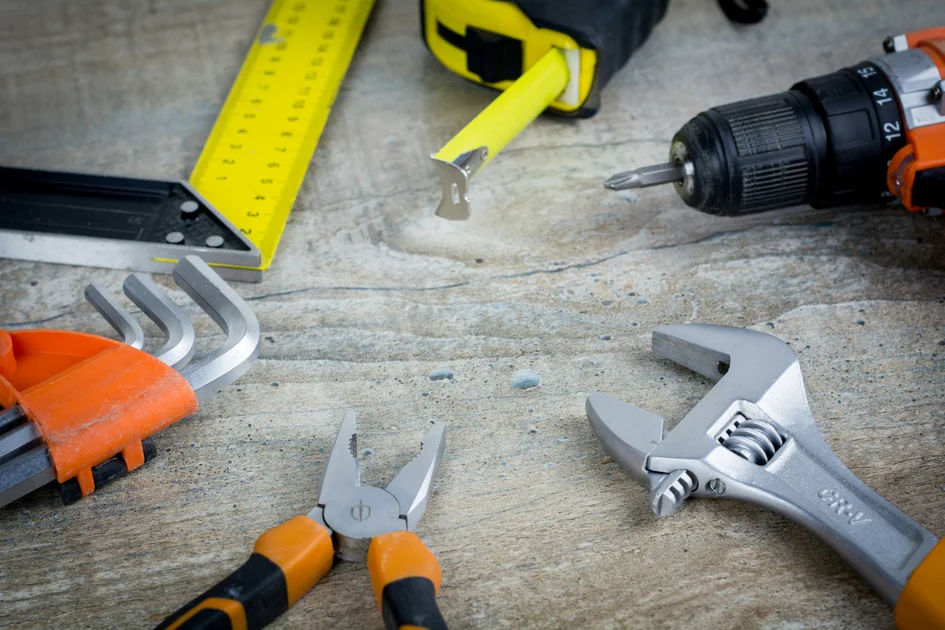
- Invest in quality tools, as they make the work easier, faster, and safer for the operator.
- Document every repair with photos and receipts to maximize your home’s future resale value.
- Know your limits; never attempt electrical or structural repairs that exceed your actual skill level.
Frequently Asked Questions
How often should I clean my gutters?
You should clean your gutters at least twice a year, ideally in late spring and late autumn. If you have many trees on your property, increase this to three or four times to prevent overflow and water damage.
Is it safe to DIY my own HVAC maintenance?
You can safely handle filter changes and exterior coil cleaning yourself. However, internal mechanical or refrigerant issues require a licensed professional to ensure compliance with 2026 environmental regulations.
What is the most ignored maintenance task?
Most homeowners forget to check their dryer vent exhaust. Lint accumulation is a major fire hazard, and the duct should be cleared from the dryer to the exterior exit at least once annually.
How do I know if my insulation is failing?
Look for high energy bills, uneven room temperatures, or visible ice dams on your roof during winter. These are classic indicators that your attic insulation may have settled or been compromised by moisture.
Can home maintenance increase my property value?
Absolutely. A well-maintained home with a documented history of service is more attractive to buyers and inspectors, often commanding a higher price and selling faster than homes with deferred maintenance.
Conclusion
Executing a rigorous DIY home maintenance checklist for every season is more than just a chore list; it is a commitment to the longevity and safety of your living environment. By staying ahead of the natural wear and tear caused by the elements in 2026, you protect your family and your financial future simultaneously. Start small, stay consistent, and never underestimate the power of a simple inspection. With the right tools and a proactive mindset, you can ensure your home remains a resilient, efficient, and comfortable sanctuary for years to come. Your home takes care of you, so make sure you return the favor.
- Best Tools Every DIY Home Repair Beginner Should Own
- Prevent Hazards: Essential Techniques for Safe Home Maintenance
- Essential Electrical Safety Checklist Before Fixing Home Appliances
- How to Prevent Hidden Mold After Water Intrusion: A Complete Guide
- Electrical Safety Inspection Checklist for Older Homes