Learning how to prevent mold growth after water damage is the single most critical skill for any homeowner in 2026, as climate-related flooding events continue to challenge residential infrastructure. When water infiltrates your living space, the clock begins ticking immediately; mold spores are ubiquitous in the air, and given the right conditions of moisture and temperature, they can colonize porous surfaces in as little as 24 to 48 hours. Many homeowners mistakenly believe that a quick wipe-down or a few floor fans will suffice, but the reality involves a complex interplay of physics, chemistry, and building science. As an investigative observer of the restoration industry, I have seen how hidden moisture pockets behind drywall and under floorboards create long-term health hazards. This comprehensive guide will dissect the professional protocols necessary to protect your property and your respiratory health from the unseen dangers of moisture-induced colonization.
The Physics of Moisture Management
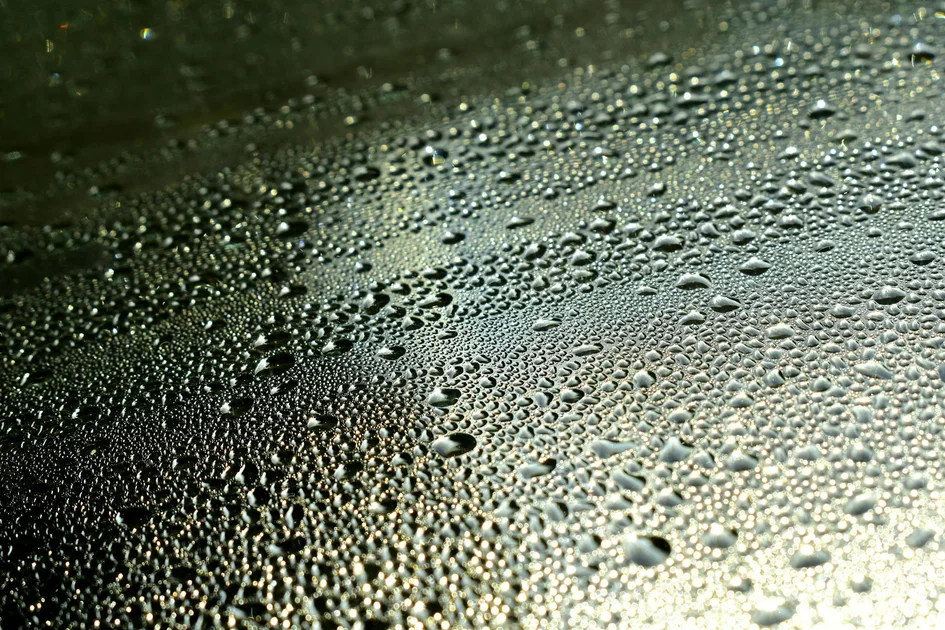
The primary goal of rapid drying is to lower the vapor pressure of the affected materials below the threshold required for fungal germination. In 2026, professional restoration firms utilize high-grade industrial dehumidifiers that operate on the principle of refrigerant cooling, which effectively pulls moisture out of the air and converts it into liquid for drainage. Simply moving air around with standard household fans is often counterproductive, as it may spread spores to unaffected rooms. Instead, you must create a closed-loop system where air is dehumidified before being recirculated. Professionals rely on moisture meters and thermal imaging cameras to track the migration of water through structural members, ensuring that the drying process is targeted rather than speculative.
Understanding building materials is essential for successful remediation. Porous materials like gypsum board, insulation, and carpet padding act as sponges, holding onto liquid long after the surface appears dry to the touch. If these materials remain saturated for more than 48 hours, they often become irreparable and must be discarded to prevent mold proliferation. Removing baseboards to allow airflow into wall cavities is a standard industry practice that many DIY enthusiasts overlook. By creating a controlled environment, you significantly reduce the risk of structural rot and the development of mycotoxins that can lead to chronic health issues for your family.
Reddit & Expert Community Consensus
“The biggest mistake people make is using a shop vac and calling it a day. In the restoration trade, we treat water damage like a crime scene—you have to map out the moisture migration. If you don’t use a professional-grade dehumidifier to hit a relative humidity below 45 percent, you are essentially building a greenhouse for mold. Also, if the water came from a sewage backup, don’t even try to save the drywall; it’s contaminated and needs to be pulled immediately.” — User: RestorationPro2026, r/HomeImprovement.
The consensus across expert forums is clear: speed and precision are the cornerstones of effective mitigation. Users who have dealt with catastrophic leaks emphasize that insurance companies are increasingly scrutinizing the timeliness of the mitigation effort. If you delay, the mold will establish a root system, known as hyphae, which can penetrate deep into building materials, making standard cleaning agents ineffective. Expert advice consistently points toward the necessity of professional moisture mapping to ensure that no hidden pockets remain, as these are the primary culprits for recurring mold problems weeks or months after the initial event.
Pros and Cons Analysis
| Method | Pros | Cons |
|---|---|---|
| Professional Remediation | Guaranteed moisture mapping, insurance compliant. | High initial cost, scheduling delays. |
| DIY Fan/Dehumidifier | Low cost, immediate implementation. | Risk of incomplete drying, spore spreading. |
| Chemical Biocides | Immediate surface disinfection. | Does not fix underlying moisture; toxicity issues. |
| Structural Removal | Guaranteed removal of contaminated material. | Requires significant repair and remodeling. |
Deciding between professional services and DIY efforts depends on the severity of the water damage and the type of water involved. Clean water leaks, such as a burst pipe, offer more flexibility for DIY intervention if caught within the first few hours. However, gray or black water incidents require professional containment and specialized sanitation equipment to avoid dangerous bacterial exposure. Always weigh the cost of professional intervention against the long-term potential for health issues or the loss of property value caused by improper mold abatement.
Containment and Spore Control
The Role of Negative Air Pressure
When dealing with suspected mold growth, containment is your first line of defense. By sealing off the affected area with heavy-duty polyethylene sheeting and creating negative air pressure, you prevent spores from migrating to clean zones. This is achieved by using a HEPA-filtered air scrubber to exhaust air to the outdoors, creating a pressure differential that keeps contaminants trapped within the work area. This technique is non-negotiable in professional 2026 standards for asbestos or heavy mold abatement, and it should be applied to any significant water damage event to protect your indoor air quality.
Once containment is established, the focus shifts to mechanical removal. Scrubbing surfaces with soap and water is only effective for non-porous items like tile or glass. For porous surfaces that show signs of staining or fuzzy growth, removal is the only safe path. HEPA-filtered vacuuming is an essential step to capture airborne spores that have settled on surfaces during the drying process. Remember that mold is not merely a surface issue; it is a biological entity that thrives in dark, damp voids. By controlling the air quality during the remediation phase, you significantly reduce the risk of secondary contamination elsewhere in your home.
Selecting the Right Equipment
In the modern era of 2026, homeowners have access to better technology than ever before. Renting a commercial-grade dehumidifier from a local hardware supplier is far more effective than relying on residential units. These machines are designed for 24/7 operation and can process high volumes of air, which is critical during the first few days of recovery. Pairing this with industrial air movers, which are specifically designed to direct airflow along surfaces rather than just blowing air into the room, creates an environment where moisture is efficiently pulled from deep within the substrate. Consult the Environmental Protection Agency guidelines for safe handling of materials during this process.
Investing in a high-quality moisture meter is a wise decision for any homeowner. These devices allow you to monitor the drying progress of wood, drywall, and masonry without guesswork. A reading of 15 percent or lower is generally considered safe for most building materials, while anything above 20 percent indicates a high risk for fungal growth. By documenting these readings daily, you ensure that you are not stopping the drying process prematurely. This level of diligence prevents the “hidden mold” scenario that often surprises homeowners months after a claim is closed, saving you from expensive structural repairs in the future.
Long-term Prevention Strategies
Preventing future mold growth requires a proactive approach to home maintenance. After the initial drying is complete, inspect your home for vulnerabilities such as leaky window seals, cracked roof shingles, or poor grading around your foundation. Installing a smart humidity monitoring system can alert you to spikes in moisture before mold has a chance to develop. Many homeowners in 2026 are turning to IoT-enabled sensors that provide real-time updates to their smartphones, allowing for rapid response to slow leaks that might otherwise go undetected for weeks. Keeping your basement or crawl space properly ventilated is also crucial for maintaining a healthy home.
Finally, ensure that your HVAC system is regularly serviced to prevent it from becoming a distribution hub for mold spores. If your system was running during a water damage event, the air ducts may have been exposed to moisture and should be professionally inspected and cleaned. A clean, dry home is a resilient home. By staying vigilant and understanding the signs of moisture intrusion, you can transform your property into a space that resists mold growth even in the most challenging environmental conditions. Regular maintenance is not just about aesthetics; it is about protecting your most significant investment and ensuring a safe living environment for your family.
Key Takeaways
- Act within 48 hours to prevent the transition from wet materials to mold colonization.
- Use professional-grade dehumidifiers rather than standard household fans to ensure deep drying.
- Implement negative air pressure and containment to stop spore migration during cleanup.
- Utilize moisture meters to confirm that materials have reached safe, dry levels.
- Prioritize the removal of porous, saturated materials rather than attempting to clean them.
- Monitor your home with smart humidity sensors to detect future leaks early.
Frequently Asked Questions
Can I use bleach to kill mold?
Bleach is ineffective at killing mold on porous surfaces like drywall or wood because it cannot penetrate the material to reach the roots. It may remove the surface color, but the mold will likely return quickly.
How do I know if the mold is toxic?
All mold growth indoors should be treated as a health hazard. While some species produce mycotoxins, even “common” molds can trigger allergies, asthma, and respiratory distress in sensitive individuals.
Does homeowners insurance cover mold remediation?
Coverage depends entirely on your policy and the cause of the damage. If the mold resulted from a sudden, accidental water leak, it might be covered; however, mold caused by long-term neglect is usually excluded.
How long does it take for mold to grow?
Mold can begin to grow in as little as 24 to 48 hours if the environment remains moist and the temperature is favorable for fungal development.
Should I leave my house during mold remediation?
If the mold infestation is extensive or if you are sensitive to spores, it is highly recommended that you vacate the property until a professional confirms the air quality has returned to safe levels.
Conclusion
Preventing mold growth after water damage is a race against time that requires the right equipment, proper methodology, and an unwavering commitment to structural integrity. By understanding the science of moisture migration and acting decisively, you can protect your home from the silent, pervasive threat of fungal colonization. Whether you choose to handle minor incidents yourself or hire professionals for larger events, the principles outlined in this 2026 guide remain your best defense. Stay vigilant, monitor your indoor environment, and never underestimate the power of a dry home to keep your family healthy and secure for years to come.