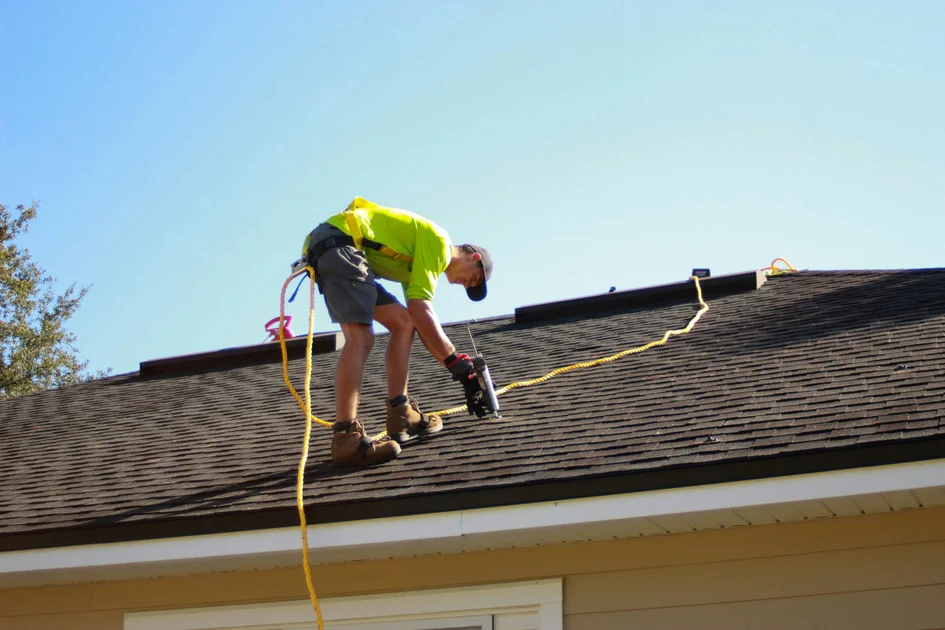
A comprehensive roof inspection guide to identify hidden damage early is the single most effective tool a homeowner possesses to prevent catastrophic financial loss in 2026. While most property owners wait for a visible leak to materialize inside their living room, the most devastating structural failures often begin as microscopic fissures, granule loss, or subtle fastener corrosion that remain entirely invisible from the ground. As construction materials have evolved to meet new 2026 climate resilience standards, the methods for spotting these silent killers have shifted from simple visual scans to sophisticated diagnostic approaches. By mastering the art of early detection, you move from a reactive stance—spending thousands on emergency repairs—to a proactive strategy that extends the lifespan of your largest asset by decades.
The Anatomy of Silent Roof Failure
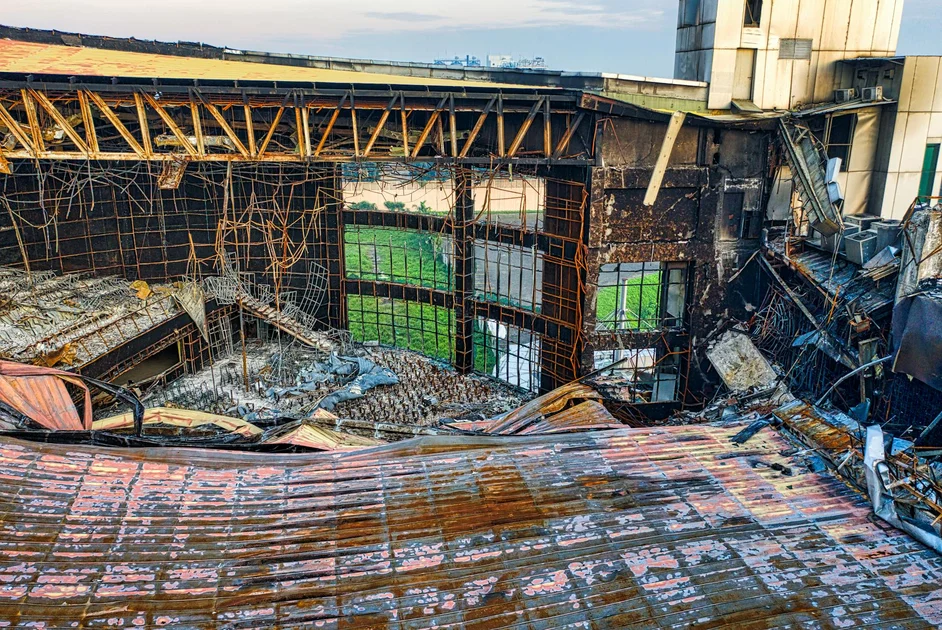
Modern roofing systems are complex assemblies of underlayment, flashing, and specialized shingles designed to withstand the increasingly erratic weather patterns of 2026. The primary point of failure is rarely the shingle itself; rather, it is the compromise of the structural seals. When metal flashing around chimneys or vents begins to pull away, even by a millimeter, water begins a slow, destructive migration into the roof deck. This moisture creates a breeding ground for mold and wood rot, which can compromise the integrity of your rafters long before you see a water stain on your ceiling.
Another silent culprit involves the degradation of the sealant strips under asphalt shingles. High-wind events, which have become more frequent throughout 2026, can lift shingle edges, breaking the factory-applied thermal seal. Once this bond is severed, the shingles become susceptible to wind uplift, eventually resulting in missing pieces or significant water infiltration. Homeowners must understand that a roof does not fail all at once; it fails through a series of small, cumulative events that, if caught during a seasonal inspection, can be remedied with a tube of high-grade roofing cement rather than a complete tear-off.
Reddit & Expert Community Consensus
“Stop looking for missing shingles and start looking at your attic ventilation. Every professional roofer I’ve talked to in 2026 emphasizes that 80% of premature failures are actually humidity issues from poor intake or exhaust. If you see dark staining on the underside of your plywood, it’s not a leak; it’s condensation from your own home trapped under the roof.” — Excerpt from a r/Roofing thread, January 2026.
The consensus across industry forums and expert circles is clear: internal inspection is just as vital as external scanning. The physical condition of your attic provides a diagnostic map of your roof’s health. In 2026, building scientists are pushing for a more holistic view of the roof as a “system” rather than a standalone cover. This means checking for daylight peeking through roof boards, which indicates gaps that allow not just water, but pests and debris to enter the structure.
Pros and Cons Analysis
Conducting your own inspections offers a significant advantage in terms of cost and control, yet it carries inherent risks that must be weighed against the expertise of licensed contractors. Understanding the balance between DIY diligence and professional assessment is essential for maintaining your property’s value.
| Feature | DIY Inspection | Professional Inspection |
|---|---|---|
| Cost | Free (Time only) | $200 – $500 |
| Safety | High Risk (Falls/Ladders) | Low Risk (Certified) |
| Depth | Surface/Visual Only | Advanced (Thermal/Moisture) |
| Documentation | Limited for Insurance | Detailed (Legal/Insurance) |
The primary benefit of a DIY approach is the frequency of observation; you can check your roof after every major storm. However, professional inspections in 2026 utilize infrared thermography to detect moisture trapped beneath the surface, which is impossible to see with the naked eye. Relying solely on your own eyes may lead to a false sense of security, as hidden rot can persist beneath seemingly perfect shingles for years.
Advanced Diagnostic Techniques
Utilizing Thermal Imaging
Thermal imaging cameras have become an accessible diagnostic tool for the modern homeowner in 2026. By scanning the roof surface during the transition between sunset and nightfall, you can identify temperature variations that indicate trapped moisture. Water absorbs heat differently than dry building materials, appearing as distinct color variations on a thermal screen. This allows you to pinpoint the exact location of a leak before it manifests as a ceiling stain.
Beyond thermal imaging, many homeowners are now using high-resolution drone footage to inspect inaccessible peaks and valleys. When reviewing these images, focus on the “valleys”—the areas where two roof planes meet. These are the most common sites for debris accumulation and subsequent water pooling. In 2026, specialized software can even analyze these photos to detect subtle changes in granule distribution, signaling that a shingle is reaching the end of its protective life and needs replacement.
The Impact of Climate and Debris
Environmental stressors in 2026 have changed the way we maintain roofing materials. Accumulation of organic debris, such as leaves and pine needles, acts as a sponge, holding moisture against the roof surface for extended periods. This constant dampness accelerates the breakdown of asphalt shingles and promotes the growth of algae and moss. When moss takes hold, its root systems can physically lift shingles, creating pathways for water to seep into the underlayment.
Proper maintenance involves more than just cleaning; it involves monitoring the local micro-climate around your home. Overhanging tree branches should be trimmed back at least six feet to prevent physical abrasion and to allow for proper sunlight exposure, which inhibits moss growth. Furthermore, ensure that your gutters are cleared at least twice a year, as backed-up gutters cause water to overflow back onto the fascia board and under the shingles, a common cause of rot that is often misattributed to a faulty roof.
Documenting for Insurance Claims
If you discover damage, the way you document it determines the success of your insurance claim in 2026. Insurance adjusters require clear, timestamped evidence of the specific event that caused the damage. Simply stating that your roof is old will result in a denied claim; however, documenting a specific wind event or hail storm with photos and videos of the damage creates a strong case for coverage.
Always maintain a file containing your original installation receipts, warranty information, and a log of all maintenance performed. In the event of a significant insurance claim, having this paper trail proves that you acted as a responsible homeowner and performed routine maintenance. This documentation is often the deciding factor in whether an insurance company pays for a partial repair or a full roof replacement, significantly impacting your out-of-pocket costs.
Key Takeaways
- Inspect your attic after every storm for signs of daylight or moisture ingress.
- Trim tree branches regularly to prevent physical damage and moss accumulation.
- Use thermal imaging to detect hidden moisture that standard visual checks miss.
- Document all maintenance and repairs with photos to support future insurance claims.
- Ensure your roof ventilation meets 2026 standards to prevent condensation-based rot.
- Prioritize cleaning gutters to prevent water backup under the roof shingles.
Frequently Asked Questions
How often should I perform a roof inspection?
In 2026, the industry standard is to conduct a visual ground-level inspection monthly and a thorough attic and roof-surface inspection twice a year, ideally in the spring and autumn.
Can I safely walk on my roof to inspect it?
Walking on a roof is highly dangerous and generally discouraged; instead, use binoculars, drone technology, or a camera pole to inspect the surface from the safety of a ladder or the ground.
What are the first signs of shingle degradation?
Look for curling edges, bald spots where the protective granules have worn away, or shingles that appear brittle and cracked when viewed from a distance.
Does homeowners insurance cover roof age-related wear?
Typically, no; insurance policies cover sudden, accidental damage from storms or falling objects, but they do not cover routine maintenance or wear and tear due to age.
Why is attic ventilation critical for roof life?
Proper ventilation prevents heat and moisture buildup, which can cause shingles to cook from the underside and rot the roof deck from within.
Conclusion
Mastering the preventative maintenance of your home’s most vital defensive barrier is an essential skill for any property owner in 2026. By applying the techniques outlined in this guide, you transition from a passive observer to a vigilant steward of your investment. Early detection is the difference between a minor, inexpensive repair and a devastating structural failure. Stay proactive, document your findings, and never underestimate the power of a simple, seasonal inspection to safeguard your home against the unpredictable elements. Your diligence today ensures the longevity and safety of your shelter for years to come.
- How to Troubleshoot a Power Failure in Your Single-Phase Home
- How to Safely Inspect Your Emergency Breaker Panel: A Guide
- How to Secure a Broken Interior Door After Damage
- Quickly Diagnose & Safely Fix Residential Electrical Faults
- How to Fix a Sagging Garage Ceiling: Support Repair Guide for Minor Sagging