Did you know that electrical faults are a leading cause of residential fires, accounting for an estimated 51,000 home fires annually in the U.S. alone? Mastering residential electrical fault identification and rapid correction methods isn’t just about convenience; it’s a critical skill for home safety and peace of mind. This comprehensive guide will equip you with the knowledge to confidently diagnose common electrical issues, understand when a DIY fix is appropriate, and, crucially, recognize when to call in a professional, ensuring your home’s electrical system remains safe and efficient well into 2026 and beyond.
Quick Answer: Residential electrical fault identification involves systematic checks starting from the circuit breaker, inspecting outlets and switches for visible damage, and using a multimeter to test voltage and continuity. Rapid correction often means resetting breakers, replacing faulty devices, or tightening loose connections, always prioritizing safety by cutting power first. For complex issues or persistent problems, professional electrician intervention is essential.
Understanding Common Electrical Faults
Residential electrical systems, while robust, are susceptible to a range of common faults that can disrupt daily life and pose safety risks. These often include tripped circuit breakers, which indicate an overload or short circuit, and flickering lights, which might suggest loose wiring or an impending bulb failure. Understanding the symptoms associated with each type of fault is the first step in effective troubleshooting, allowing homeowners to quickly narrow down potential causes without unnecessary guesswork or panic. Recognizing these patterns saves time and prevents minor issues from escalating.
Beyond the obvious, more subtle signs like buzzing sounds from outlets, a burning smell near electrical components, or warm switch plates can also point to underlying issues like arc faults or overloaded circuits. These less apparent indicators require immediate attention, as they often signify overheating, a direct precursor to electrical fires. Familiarizing yourself with these common problems empowers you to act decisively, whether it’s a simple fix like replacing a faulty GFCI outlet or a more serious situation demanding professional electrical repair services to prevent significant hazards.
Essential Safety Precautions First
Before attempting any residential electrical fault identification or correction, absolute adherence to safety protocols is paramount. Always begin by cutting power to the affected circuit at the main service panel, flipping the corresponding circuit breaker to the “off” position. This crucial step eliminates the risk of electric shock or further damage while you investigate. Never work on live circuits, and always use appropriate personal protective equipment, such as insulated gloves and safety glasses, even for seemingly minor tasks, as unexpected surges can occur.
Furthermore, ensure your work area is dry and well-lit, and keep children and pets away from the immediate vicinity. It’s also wise to use a non-contact voltage tester to confirm that the power is indeed off at the specific outlet, switch, or fixture you plan to examine. Understanding the fundamentals of electrical safety isn’t just a recommendation; it’s a non-negotiable requirement that protects you and your home. For comprehensive safety guidelines, consulting resources like those from the National Fire Protection Association (NFPA) is highly advisable, especially for DIY enthusiasts.
Isolating the Power Supply Safely
Properly isolating the power supply is more than just flipping a breaker; it involves a methodical approach to ensure complete de-energization. First, identify the specific breaker for the affected area. If unsure, it’s safer to switch off the main breaker, though this will cut power to the entire house. Once the breaker is off, always double-check using a voltage tester at the point of work to confirm no residual current. This step is critical to prevent accidental electrocution and is a cornerstone of safe electrical troubleshooting for any homeowner in 2026.
Systematic Troubleshooting Steps
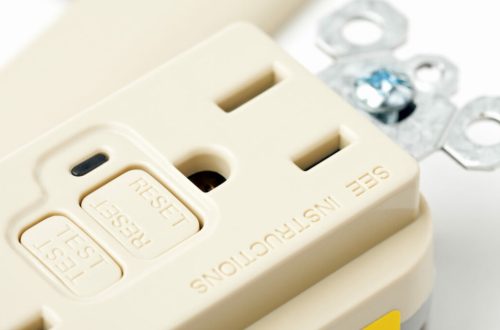
A methodical approach is key to efficient residential electrical fault identification. Start by checking the simplest potential causes: verify if other devices on the same circuit are working, reset any tripped GFCI or AFCI outlets, and inspect light bulbs for burnout. If the issue persists, move to the circuit breaker panel. A tripped breaker will usually be in the “off” or middle position; simply flip it firmly to “off” and then back to “on.” If it trips again immediately, this indicates a persistent overload or short circuit requiring deeper investigation, not just a reset.
Next, visually inspect outlets, switches, and fixtures in the affected area for any signs of damage, burn marks, loose wires, or unusual odors. Sometimes, a faulty appliance plugged into an outlet can be the culprit, so try unplugging everything from the circuit and see if the problem resolves. For more advanced diagnostics, a multimeter can be invaluable for testing voltage, continuity, and resistance, helping to pinpoint open circuits or short circuits within the wiring itself. Remember, diagnosing electrical problems effectively requires patience and a systematic thought process, ruling out possibilities one by one.
Rapid Correction Techniques
Once a residential electrical fault has been identified, rapid correction often involves straightforward fixes, provided you have the necessary safety measures in place. For tripped breakers, ensure the circuit isn’t overloaded by unplugging high-wattage appliances, then reset the breaker. If an outlet or switch is visibly damaged or not functioning, replacing the faulty device is often the quickest solution. Always match the new device’s specifications (e.g., amperage, voltage) to the existing one and ensure all wire connections are secure and properly insulated before restoring power.
Loose wiring is a common cause of flickering lights or intermittent power. Carefully tighten any loose terminal screws on outlets, switches, or light fixtures after confirming the power is off. For GFCI or AFCI outlets that repeatedly trip, the issue could be a ground fault or arc fault somewhere downstream; addressing this might involve isolating the faulty section or replacing the faulty protective device itself. Always ensure your fixes comply with local electrical codes. For detailed wiring diagrams and code information, homeowners might find resources from the Electrical Safety Foundation International (ESFI) helpful.
Knowing When to Call a Professional
While many minor residential electrical fault identification and correction tasks can be handled by a competent DIYer, there are clear instances where professional intervention is not just recommended, but absolutely necessary. If you encounter persistent problems after attempting basic troubleshooting, experience frequent breaker trips without obvious cause, or detect burning smells or excessive heat from your electrical panel, it’s time to call a licensed electrician. Complex wiring issues, new circuit installations, or upgrades to your service panel always require expert knowledge and adherence to stringent safety standards.
Attempting advanced electrical repairs without proper training and tools can lead to serious injury, property damage, or even fatalities. An electrician possesses specialized equipment, in-depth knowledge of electrical codes, and the experience to diagnose and fix problems safely and effectively. They can perform comprehensive electrical inspections, identify hidden hazards, and ensure your home’s electrical system is up to code and operating safely, providing peace of mind that DIY efforts simply cannot guarantee, especially with the evolving smart home technologies of 2026.
Key Takeaways
- Prioritize safety by always cutting power before starting any electrical work and using appropriate PPE.
- Systematic troubleshooting, starting with simple checks, helps quickly pinpoint the source of electrical faults.
- Many common issues like tripped breakers or faulty outlets can be corrected with basic DIY knowledge.
- Always call a licensed electrician for complex wiring, persistent problems, or any situation beyond your comfort and expertise.
Frequently Asked Questions
What causes frequent circuit breaker trips?
Frequent circuit breaker trips are typically caused by an overloaded circuit, where too many high-wattage appliances draw more current than the circuit is designed to handle. It can also be due to a short circuit, often caused by damaged wiring or a faulty appliance, or a ground fault, where current deviates from its intended path, often due to water or damaged insulation. Identifying the specific cause is crucial to prevent recurrence.
Can I fix flickering lights myself?
You can often fix flickering lights yourself if the cause is simple, such as a loose light bulb, a faulty bulb, or a loose connection at the light fixture or switch. After turning off power, check the bulb’s tightness and inspect connections. However, if flickering is widespread, occurs with multiple fixtures, or is accompanied by buzzing sounds, it could indicate a more serious issue with your home’s wiring or electrical service, requiring a professional.
When should I replace an electrical outlet?
You should replace an electrical outlet if it shows signs of physical damage (cracks, scorch marks), feels warm to the touch, has loose connections that cause plugs to fall out, or if it no longer provides power reliably. Upgrading standard outlets to GFCI or AFCI types in appropriate locations (kitchens, bathrooms, bedrooms) is also a recommended safety enhancement, even if the existing outlet isn’t faulty.
How can I prevent future electrical faults?
Preventing future electrical faults involves several best practices: avoid overloading circuits, ensure all appliances are in good working order, regularly check cords for damage, and use surge protectors for sensitive electronics. Consider periodic professional electrical inspections to identify potential hazards before they become serious problems. Additionally, promptly addressing minor issues can prevent them from escalating into major faults.
Conclusion
Mastering residential electrical fault identification and rapid correction methods is a valuable skill that enhances home safety and saves time and money. By understanding common issues, adhering strictly to safety protocols, and employing a systematic troubleshooting approach, you can resolve many electrical problems confidently. Remember, recognizing your limits and knowing when to call a qualified electrician is paramount. Your home’s electrical integrity and your family’s safety depend on making informed decisions, ensuring a secure and well-powered environment for years to come. What electrical mystery will you tackle first?