Did you know that household power failures are among the most common home emergencies, affecting millions annually? While a complete blackout can be frustrating, understanding the root cause of a power failure for single phase home systems can save you time, money, and even prevent potential hazards. This comprehensive guide will equip you with the knowledge and actionable steps to troubleshoot effectively, ensuring your home’s electrical integrity and helping you restore power safely and efficiently in 2026 and beyond.
Quick Answer: When your single-phase home experiences a power failure, first check if neighbors are affected to determine if it’s a utility outage or an internal issue. If internal, safely inspect your electrical panel for tripped circuit breakers or blown fuses. Reset breakers by flipping them fully off, then back on. If power doesn’t restore or the breaker immediately trips again, or if you suspect a more serious problem, contact your utility company or a licensed electrician immediately.
Understanding Your Home’s Electrical System
Most residential properties operate on a single-phase electrical system, meaning electricity flows through one alternating current (AC) waveform. This setup is perfectly adequate for the typical power demands of a home, providing a reliable supply for lighting, appliances, and electronics. Understanding this fundamental concept is the first step in effective power failure troubleshooting for single phase home systems, as it informs how you approach diagnostics and safety protocols. Familiarity with your home’s specific electrical configuration empowers you to act decisively when issues arise.
Your home’s electrical system begins at the utility meter, which measures your consumption, and then feeds into your main service panel, often called a breaker box or fuse box. This panel is the central distribution point, housing circuit breakers or fuses that protect individual circuits throughout your home. Each circuit powers specific areas or appliances. A basic grasp of how electricity enters, is distributed, and is protected within your dwelling is crucial for safely identifying whether a power outage originates from the utility grid or an internal fault within your property.
Initial Steps During a Power Outage
When the lights go out, the immediate priority is to assess the scope of the power failure. Start by looking outside; are your neighbors’ lights on or off? This simple observation quickly tells you if the problem is localized to your home or if it’s a widespread utility outage affecting the entire neighborhood. If it’s a broader issue, your next step should be to check your utility provider’s outage map or call their customer service line for updates. Knowing whether to focus your troubleshooting internally or externally saves significant time and effort.
Safety must always be your paramount concern during any power failure. Before attempting any troubleshooting, ensure all sensitive electronics are unplugged to protect them from potential power surges when electricity is restored. Use flashlights or battery-powered lanterns for illumination, avoiding candles due to fire risk. Once you’ve confirmed whether the outage is external or internal, you can proceed with confidence, knowing you’ve taken preliminary safety measures and have a clearer direction for your next steps.
Is It Just Your Home?
Determining if the power failure is isolated to your residence is a critical diagnostic step that guides your entire troubleshooting process. If your neighbors have power, it strongly suggests the problem lies within your home’s electrical system, potentially a tripped main breaker, a localized circuit overload, or even an issue with your service drop. Conversely, if others on your street are also in the dark, it’s almost certainly a utility-side issue, and your best course of action is to report the outage to your power company and await their repair efforts. This initial assessment helps prevent unnecessary internal checks when the issue is beyond your control.
Troubleshooting Internal Electrical Issues
If you’ve confirmed the power failure is unique to your home, the electrical panel is your next point of inspection. Locate your main electrical panel and carefully open its cover. Look for circuit breakers that are in the “tripped” position, which is typically half-way between “on” and “off,” or sometimes fully “off.” A tripped breaker indicates an overload or a short circuit on that specific line. To reset it, firmly push the breaker completely to the “off” position first, then back to “on.” For older homes, you might have a fuse box; a blown fuse will have a broken filament and must be replaced with one of the correct amperage. Never replace a fuse with one of a higher rating. You can learn more about electrical safety from resources like the National Fire Protection Association.
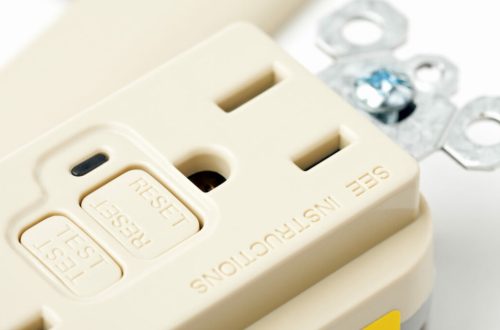
Beyond the main panel, consider if specific high-draw appliances or outlets are the culprits. Ground Fault Circuit Interrupter (GFCI) outlets, commonly found in kitchens, bathrooms, and outdoor areas, and Arc Fault Circuit Interrupter (AFCI) breakers, which protect against electrical arcs, can also trip independently. If an area has no power, check for a “reset” button on any GFCI outlets within that zone and press it firmly. Similarly, AFCI breakers in your main panel might look tripped. Addressing these localized protective devices is a crucial step in power failure troubleshooting for single phase home systems, as they often prevent broader outages by isolating specific faults.
Advanced Checks and When to Call a Pro
For those comfortable with basic electrical safety and possessing a multimeter, you can perform more advanced checks, such as testing for voltage at the main breaker or specific circuits. However, this should only be attempted by individuals with electrical knowledge, as working with live electricity is extremely dangerous. Symptoms like flickering lights, only partial power (e.g., half your house is out), or a burning smell are red flags that indicate a more severe electrical problem. These signs often point to issues beyond simple tripped breakers, such as loose wiring, damaged service lines, or a failing main breaker, which require immediate professional attention.
Recognizing your limitations is paramount. If, after checking breakers, fuses, and GFCIs, power is not restored, or if you observe any concerning signs like sparking, burning odors, or a buzzing sound from your electrical panel, it’s time to call a licensed electrician. They have the specialized tools, training, and experience to diagnose and safely repair complex electrical faults. Attempting repairs beyond your skill level can lead to serious injury, fire, or further damage to your electrical system. Your utility company should also be contacted if you suspect an issue with the service line coming into your home or the meter itself, as these are their responsibility. For general electrical safety tips, a reliable source like Energy.gov offers valuable insights.
Preventing Future Power Problems
Proactive measures are key to minimizing the occurrence of power failures in your single-phase home system. Installing whole-home surge protectors can safeguard your sensitive electronics from voltage spikes, which are often the result of lightning strikes or utility grid fluctuations. Regular electrical inspections by a qualified electrician, ideally every 5-10 years, can identify potential issues like aging wiring, overloaded circuits, or corroded connections before they lead to an outage. Balancing your electrical load by distributing high-wattage appliances across different circuits can also prevent frequent breaker trips.
Beyond preventative maintenance, consider investing in backup power solutions for enhanced resilience. A standby generator, for instance, can automatically provide power to essential circuits during a utility outage, ensuring comfort and safety. For 2026, smart home energy monitoring systems are becoming increasingly popular, offering real-time insights into your power consumption and alerting you to potential issues like unusual draws or circuit imbalances. These technologies empower homeowners to manage their electricity more efficiently and identify nascent problems before they escalate into full-blown power failures, making your home more robust against unexpected disruptions.
Key Takeaways
- Always prioritize safety: use flashlights, unplug electronics, and avoid contact with damaged electrical components.
- Distinguish between utility-wide outages and internal home electrical issues by checking neighbors and utility status.
- Learn to safely inspect and reset tripped circuit breakers or replace blown fuses in your electrical panel.
- Recognize when to call professionals for complex problems, such as persistent outages, burning smells, or partial power.
Frequently Asked Questions
Why does only part of my house have power?
Partial power usually indicates that one leg of your home’s incoming service has failed, or a main breaker for a specific section of your panel has tripped. It could also mean a loose connection at the meter or within the main service panel, which requires immediate attention from your utility company or a licensed electrician due to its potentially dangerous nature.
Can a power outage damage my appliances?
Yes, power outages, especially when power first goes out or when it returns (surges), can damage sensitive electronics and appliances. Unplugging devices during an outage and using surge protectors can help mitigate this risk. Large appliances like refrigerators are generally more resilient but can still be affected by repeated power fluctuations.
How often should I have my home’s electrical system inspected?
It’s generally recommended to have a professional electrical inspection every 5 to 10 years for homes that are 10 years old or more. For older homes, especially those with original wiring, or if you’ve done significant renovations or added major appliances, more frequent checks are advisable to ensure safety and prevent power failure issues.
What’s the difference between a GFCI and an AFCI breaker?
A GFCI (Ground Fault Circuit Interrupter) protects against electrical shock by detecting imbalances in current flow, often due to water contact, and tripping quickly. An AFCI (Arc Fault Circuit Interrupter) protects against fires caused by electrical arcing, which can occur from damaged wires or loose connections. Both are critical safety devices, but they protect against different types of electrical hazards.
Conclusion
Navigating a power failure for single phase home systems doesn’t have to be a source of panic. By understanding your home’s electrical fundamentals, performing systematic checks, and prioritizing safety, you can often diagnose and resolve common issues yourself. Remember, knowing when to call a professional is just as important as knowing what to check. Stay informed, stay safe, and empower yourself with the knowledge to keep your home running smoothly. We encourage you to share your own power outage troubleshooting tips or experiences in the comments below, helping our community be better prepared for 2026 and beyond!
- Electrical Safety: How to Isolate a Dead Circuit Before Troubleshooting
- How to Quickly Fix a Jammed Sliding Glass Patio Door in an Emergency
- How to Repair Stripped Plastic Pipe Threads with Teflon Tape
- Residential Water Damage Mitigation: Essential Techniques for Your Home
- Electrical Safety Inspection Checklist for Older Homes