Did you know that over 70% of residential damage goes unaddressed for longer than necessary, leading to more costly repairs down the line? Mastering fast repair techniques for minor residential damage control is not just about saving money; it’s about preserving your home’s value and ensuring peace of mind. From annoying drips to unsightly wall blemishes, quick intervention can prevent small issues from snowballing into major headaches. This comprehensive guide, crafted for homeowners in 2026 and beyond, will equip you with the essential skills and knowledge to tackle common household wear and tear efficiently and effectively, empowering you to maintain a pristine living space with minimal effort.
Quick Answer: Fast repair techniques for minor residential damage control typically involve simple, DIY-friendly methods to address common issues like drywall holes, leaky faucets, squeaky doors, or minor flooring blemishes using readily available tools and materials. The key is prompt action, understanding basic home systems, and employing temporary or permanent fixes that prevent escalation of damage, ultimately saving time and money.
Patching Drywall Holes and Cracks
Minor impacts or shifting foundations can leave unsightly holes and cracks in your drywall, diminishing your home’s aesthetic appeal. Addressing these issues quickly is crucial, as even small openings can allow moisture penetration or worsen over time with continued stress. For small nail holes or minor dings, a dab of spackle applied with a putty knife, followed by light sanding once dry, can make the imperfection disappear in minutes. This immediate action prevents the visual distraction and maintains the integrity of your walls, a simple yet effective component of fast repair techniques for minor residential damage control.
Larger holes, perhaps from a doorknob impact, require a slightly more involved but still rapid approach. Cut a piece of self-adhesive mesh patch to size, ensuring it fully covers the hole. Apply a thin layer of joint compound over the patch, spreading it smoothly with a putty knife. Allow it to dry completely, then apply a second, wider layer of compound, feathering the edges into the existing wall. Once dry, sand lightly until smooth, then prime and paint to match your wall. This method provides a durable fix that blends seamlessly, restoring your wall’s appearance without needing extensive professional help.
Silencing Squeaky Doors and Loose Hinges
Squeaky doors are more than just an annoyance; they can indicate friction and wear on hinges, which, if left unattended, could lead to misalignment or even damage to the door frame over time. The fastest fix for a squeak often involves simply lubricating the hinge pins. Remove each pin one by one, wipe off any grime, and apply a small amount of household lubricant like WD-40 or petroleum jelly. Reinsert the pins, and the door should swing silently. This simple maintenance step is a prime example of proactive fast repair techniques for minor residential damage control.
Tightening Door Hardware
Loose hinges or door handles can create a wobbly door and make it difficult to open or close properly. This often signals that the screws holding the hardware in place have worked their way loose. Using a screwdriver, simply tighten all visible screws on the hinges and the door handle plates. If a screw hole is stripped, remove the screw, insert a wooden toothpick or two with a dab of wood glue into the hole, break them off flush, and then reinsert the screw. This provides new material for the screw to grip, restoring stability and functionality in moments.
Addressing Minor Plumbing Leaks
A persistent drip from a faucet or a small leak under the sink can seem insignificant, but even minor water issues can lead to substantial water waste, increased utility bills, and potential mold growth if not addressed promptly. For a leaky faucet, often the culprit is a worn-out washer or O-ring. Turning off the water supply, disassembling the faucet handle, and replacing the faulty rubber component is a straightforward repair that can be completed with basic tools and a replacement kit readily available at hardware stores. For excellent resources on water conservation, consider visiting the EPA WaterSense program website.
Under-sink leaks, particularly from drain pipes, can often be resolved by tightening connections or replacing a compromised P-trap seal. Inspect all threaded connections for looseness and use a wrench to gently tighten them. If the leak persists, the issue might be a crack in a PVC pipe or a worn washer in a compression fitting. Plastic pipe repair kits, including sealant tape or epoxy putty, offer a quick, temporary fix for small cracks, allowing time for a more permanent replacement of the faulty section. Acting swiftly on these issues is a cornerstone of effective fast repair techniques for minor residential damage control, preventing widespread water damage in 2026 homes.
Quick Fixes for Flooring Imperfections
Scratches, scuffs, and minor dents on hardwood, laminate, or tile flooring can detract from your home’s overall appearance and potentially lead to more extensive damage if left untreated. For superficial scratches on wood floors, touch-up pens or wax repair kits designed to match your specific wood tone can effectively conceal the damage. Simply apply the product directly to the scratch, buff it gently, and watch the imperfection fade away. This quick cosmetic enhancement helps maintain the longevity and beauty of your floors.
For deeper gouges or dents in wood or laminate, wood filler or epoxy putty can be used. Clean the area thoroughly, then carefully apply the filler, pressing it firmly into the damaged spot. Level it with a putty knife and allow it to dry completely before sanding smooth and applying a matching stain or clear coat. Chipped tiles can sometimes be repaired using tile repair kits that include epoxy fillers and colorants. For more comprehensive guides on home maintenance, resources like This Old House offer valuable insights for various home projects.
Emergency Appliance and Fixture Repairs
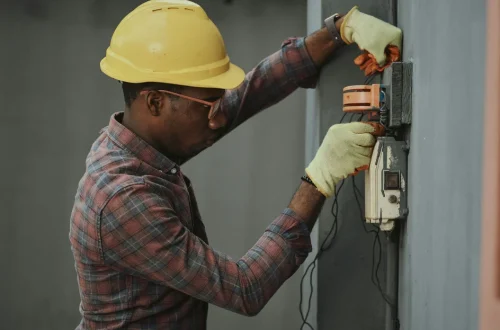
Minor malfunctions in appliances or fixtures, while not always critical, can disrupt daily routines and escalate into larger problems. For instance, a loose electrical outlet can be a safety hazard, easily remedied by tightening the mounting screws within the electrical box (after turning off power at the breaker, of course). Similarly, a flickering light fixture might simply need a new bulb or a tightened connection in the socket, a task often completed in mere minutes with basic tools, showcasing the power of fast repair techniques for minor residential damage control.
For common kitchen appliances like refrigerators with a clogged drain line or dishwashers with a blocked spray arm, a quick diagnosis and cleaning can often restore full functionality. Referencing the appliance’s manual or a quick online search can provide specific troubleshooting steps. Many minor issues, such as a microwave door that doesn’t latch properly, can be fixed by tightening screws or realigning components, saving the expense and inconvenience of a service call. Maintaining a small toolkit and a proactive mindset is key to keeping your home running smoothly well into 2026.
Key Takeaways
- Prompt action on minor damages prevents costly escalation and preserves home value.
- Many common residential issues can be resolved quickly with basic tools and DIY techniques.
- Regular inspection and preventative maintenance are crucial for long-term home health.
- Understanding basic repair principles empowers homeowners to tackle issues confidently.
Frequently Asked Questions
What is the most common minor residential damage?
The most common minor residential damages often include small holes or cracks in drywall, leaky faucets, squeaky doors, and minor flooring scratches. These issues are typically superficial but can become more problematic if left unaddressed, highlighting the importance of fast repair techniques for minor residential damage control.
How can I prevent minor damage from recurring?
Preventing recurring damage involves addressing the root cause and implementing preventative measures. For instance, using door stoppers prevents doorknob holes, regularly lubricating hinges stops squeaks, and performing routine maintenance on plumbing can prevent leaks. Investing in quality materials and proper installation also plays a significant role.
Are DIY fast repairs safe for all minor damage?
While many fast repairs for minor damage are safe for DIY, it’s crucial to exercise caution, especially with electrical or plumbing issues. Always turn off power at the breaker before working on electrical components and shut off water supplies for plumbing. If you’re unsure or uncomfortable, it’s always best to consult a professional to ensure safety and proper repair.
What tools are essential for fast home repairs?
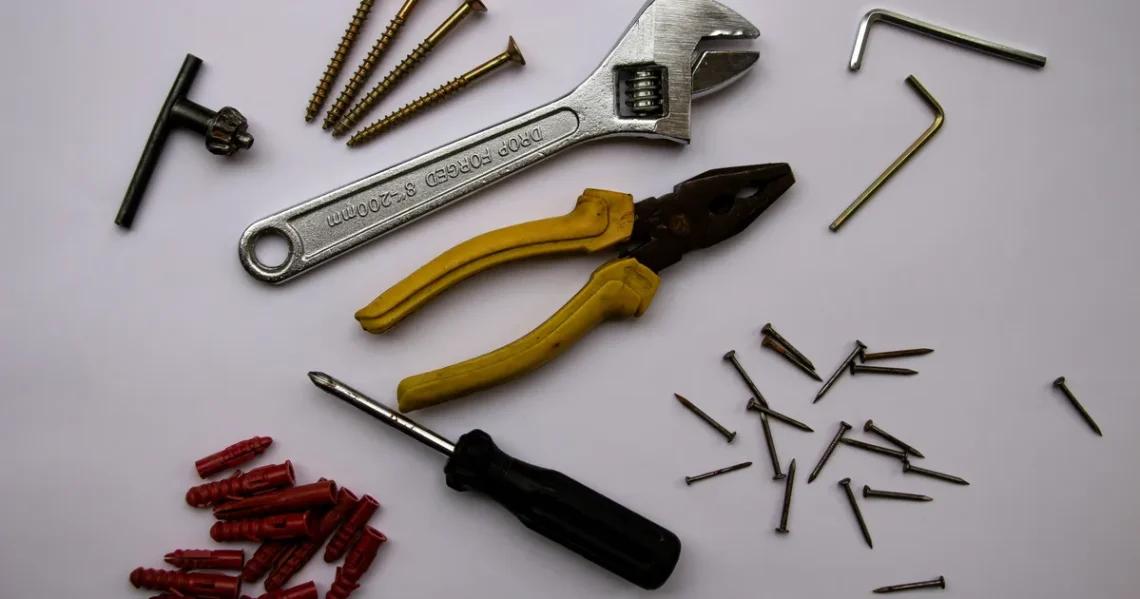
An essential toolkit for fast home repairs should include a screwdriver set (Phillips and flathead), a hammer, a utility knife, pliers, an adjustable wrench, a tape measure, a caulk gun, a putty knife, and safety glasses. Having these basic tools readily available will enable you to tackle most minor residential damage control tasks efficiently.
Conclusion
Empowering yourself with fast repair techniques for minor residential damage control is an invaluable skill for any homeowner. By proactively addressing small issues like drywall imperfections, plumbing drips, or creaking doors, you not only save money on professional services but also extend the lifespan of your home’s components. Remember, a well-maintained home is a happy home, and your diligent efforts today will ensure a comfortable and beautiful living space for years to come. What minor repair are you planning to tackle next?
- Emergency Exterior Wall Stabilization: Immediate Solutions to Prevent Collapse
- How to Fix a Leaking Pipe Under the Sink Without Professional Help
- Quickly Diagnose & Safely Fix Residential Electrical Faults
- Prevent Household Plumbing Emergencies with Smart Overflow Control
- How to Fix a Circuit Breaker That Keeps Tripping