Did you know that up to 40% of buildings affected by natural disasters suffer further damage due to improper initial response and rushed, uncoordinated repairs? This alarming statistic underscores the critical importance of robust structural integrity preservation during emergency repair situations. When disaster strikes, the immediate aftermath demands swift, decisive action, but haste must never compromise the underlying structural stability of a compromised building. Our focus today is on navigating these perilous waters, ensuring that every emergency repair not only addresses immediate hazards but also contributes to the long-term resilience and safety of the structure. Understanding the principles, methodologies, and best practices for temporary stabilization and thoughtful repair is paramount for engineers, contractors, and emergency responders alike.
Quick Answer: The primary goal of structural integrity preservation during emergency repair situations is to prevent further collapse or damage, ensure safety for responders and occupants, and create a stable environment for detailed assessment and subsequent permanent repairs. This involves rapid evaluation, strategic shoring, bracing, and the judicious use of temporary materials to stabilize compromised elements without introducing new stresses or hazards, ultimately safeguarding the structure’s long-term viability.
Rapid Assessment and Damage Evaluation
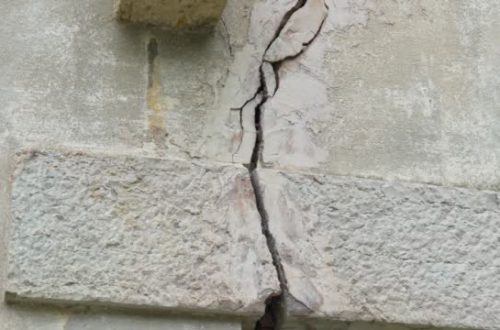
The first critical step in any emergency structural repair scenario is a rapid yet thorough assessment of the damage. This initial evaluation, often conducted under challenging conditions, aims to identify immediate threats to life safety, pinpoint critical structural components that have failed or are on the verge of failure, and determine the overall stability of the affected area. Teams of experienced structural engineers and qualified inspectors must work quickly to categorize damage, differentiate between primary and secondary failures, and prioritize areas requiring immediate intervention. Utilizing modern tools like drones and laser scanners can significantly expedite this process in 2026, providing detailed visual and dimensional data even in inaccessible zones.
Beyond immediate visual inspection, the assessment must also consider the building’s original design, construction materials, and the nature of the emergency event (e.g., earthquake, flood, fire, explosion). Understanding how these factors interact with the observed damage allows for a more informed strategy. For instance, a concrete structure damaged by fire will behave differently under emergency loading than a steel frame subjected to impact. This comprehensive understanding informs the selection of appropriate temporary support methods and repair materials, ensuring that interventions are both effective and do not inadvertently exacerbate existing damage or create new points of failure. Accurate damage evaluation is the bedrock of effective structural preservation.
Implementing Temporary Stabilization Techniques
Once critical damage is identified, implementing temporary stabilization techniques becomes the immediate priority. The goal here is to prevent progressive collapse, mitigate hazards, and create a safe working environment for further assessment and eventual permanent repairs. Common methods include shoring, bracing, and buttressing, all designed to transfer loads from damaged elements to stable ground or stronger parts of the structure. These temporary measures must be robust enough to withstand anticipated loads, including potential aftershocks or secondary events, and should be carefully designed by qualified personnel to avoid overstressing other parts of the building.
The selection of specific stabilization techniques depends heavily on the type of structure, the nature of the damage, and the available resources. For example, timber shoring is often versatile and readily available for residential structures, while steel shoring or specialized hydraulic jacks might be necessary for heavier industrial or commercial buildings. The installation process itself requires meticulous planning and execution, often following guidelines set by bodies like the American Society of Civil Engineers (ASCE). Proper base plates, capping, and connection details are crucial to ensure load paths are clear and stable, providing reliable support until more permanent solutions can be implemented.
Shoring and Bracing Best Practices
Effective shoring and bracing are fundamental to structural integrity preservation. Best practices dictate that supports should be placed as close as possible to the point of failure, distributing loads evenly to prevent localized stress concentrations. All shoring elements must be plumb and adequately braced against lateral movement, utilizing cross-bracing or diagonal supports where necessary. Materials used for shoring, whether timber, steel, or composite, must be inspected for defects and sized appropriately for the anticipated loads. Furthermore, continuous monitoring of temporary supports is essential; regular inspections should be conducted to check for signs of settlement, buckling, or loosening, especially after any significant environmental changes or further structural movements, ensuring their ongoing efficacy and safety.
Material Selection for Emergency Repairs
Choosing the right materials for emergency repairs is a nuanced process that balances speed, availability, cost, and suitability for the specific structural challenge. Unlike permanent construction, where durability and longevity are paramount, emergency repairs often prioritize rapid deployment and immediate load-carrying capacity. Common materials include timber, steel members (e.g., I-beams, H-piles), precast concrete blocks, and rapidly curing repair mortars. The decision rests on the type of damage, the required strength, environmental conditions, and the expected duration of the temporary repair. For instance, using moisture-resistant materials is crucial in flood-damaged areas to prevent further deterioration.
Furthermore, innovative materials are continually being developed to enhance the speed and effectiveness of emergency repairs. For example, fiber-reinforced polymer (FRP) wraps can provide rapid strengthening to compromised columns and beams, offering high strength-to-weight ratios. In 2026, we anticipate even greater advancements in modular, rapidly deployable structural components and smart materials that can self-monitor or even self-repair minor damage. The key principle remains: select materials that can quickly restore enough structural capacity to ensure safety and prevent progressive collapse, all while being compatible with potential future permanent repair or demolition plans.
Safety Protocols and Worker Protection
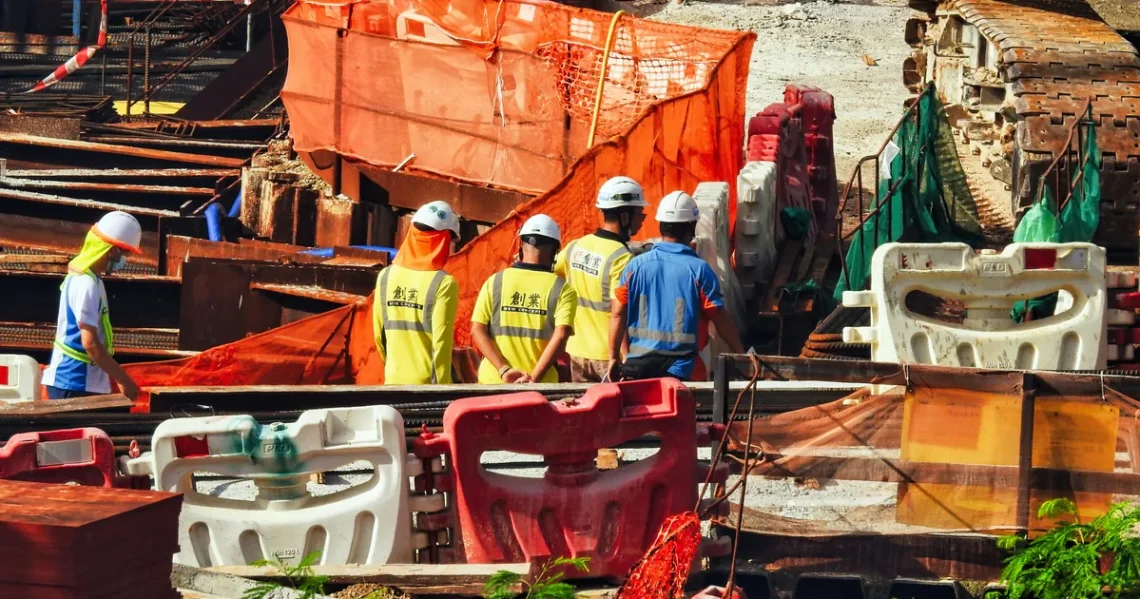
Ensuring the safety of personnel involved in structural integrity preservation during emergency repair situations is non-negotiable. Work in compromised structures inherently carries significant risks, including collapse, falling debris, hazardous materials, and unstable surfaces. Comprehensive safety protocols must be established and rigorously enforced, beginning with a thorough site-specific safety plan. This plan should include hazard identification, risk assessment, emergency evacuation procedures, and clear communication channels. All workers must receive appropriate training for working in hazardous environments, including confined space entry, fall protection, and the proper use of personal protective equipment (PPE).
Regular safety briefings, buddy systems, and continuous monitoring of site conditions are also vital. Engineers and supervisors must ensure that temporary supports are correctly installed and regularly inspected, and that no work proceeds in areas deemed unsafe. Adherence to occupational safety and health standards, such as those published by OSHA, is critical. Beyond physical safety, psychological support for responders dealing with traumatic disaster scenes should also be considered. A strong safety culture not only protects lives but also enhances the efficiency and effectiveness of emergency repair operations, ensuring that vital work can proceed without unnecessary incidents.
Long-Term Planning from Emergency Actions
While the immediate focus of emergency repairs is stabilization, it’s crucial that these temporary measures are undertaken with an eye towards long-term recovery and resilience. Structural integrity preservation during emergency repair situations shouldn’t be a standalone activity but rather an integrated part of a broader disaster recovery strategy. Decisions made during the emergency phase, such as the placement of temporary supports or the demolition of certain elements, can significantly impact the feasibility and cost of permanent repairs or reconstruction. Therefore, documenting all emergency actions, including photographic evidence and engineering calculations, is essential for future planning.
Engaging with structural engineers experienced in post-disaster reconstruction early in the process can help bridge the gap between emergency stabilization and permanent solutions. They can advise on how temporary repairs can be designed to facilitate easier transition to permanent work, potentially saving time and resources down the line. Furthermore, lessons learned from emergency repairs should inform future building codes, design practices, and disaster preparedness strategies. By integrating emergency response with long-term planning, communities can build back stronger and more resilient, transforming immediate crises into opportunities for enhanced structural safety and future preparedness.
Key Takeaways
- Rapid, expert damage assessment is the foundational step for effective emergency structural repair.
- Temporary stabilization techniques like shoring and bracing are critical for preventing progressive collapse and ensuring safety.
- Material selection for emergency repairs prioritizes speed, availability, and immediate load-carrying capacity.
- Rigorous safety protocols and continuous worker protection are paramount in hazardous emergency repair environments.
Frequently Asked Questions
What is the difference between emergency repair and permanent repair?
Emergency repair focuses on immediate stabilization, preventing further collapse, and ensuring safety using readily available materials and quick techniques. Permanent repair, conversely, involves comprehensive design, durable materials, and construction methods intended for the long-term restoration or reconstruction of the structure to its pre-disaster condition or an improved state of resilience.
How quickly should emergency structural repairs begin after an event?
Emergency structural repairs should commence as soon as it is safe for assessment teams and workers to enter the affected area. The speed is critical to prevent progressive damage, protect adjacent structures, and minimize further risk to life and property. Often, this means within hours or a few days of the primary event, following initial safety clearances.
Who is qualified to assess structural damage in an emergency?
Only licensed professional engineers with expertise in structural engineering, or individuals working directly under their supervision, are qualified to assess structural damage in an emergency. Their specialized knowledge ensures that assessments are accurate, temporary repairs are appropriately designed, and safety is maintained throughout the process.
Can temporary repairs become part of the permanent solution?
Occasionally, well-planned temporary repairs can be integrated into the permanent solution, especially if they meet the long-term design requirements and material specifications. However, this is not always the case, and often temporary measures are designed for removal. Careful upfront planning and coordination with permanent repair designs are essential to explore this possibility.
Conclusion
Mastering structural integrity preservation during emergency repair situations is a vital skill set for anyone involved in disaster response and recovery. It’s a delicate balance of urgency and precision, where every decision can have profound implications for safety and future resilience. By prioritizing swift, expert assessment, implementing robust temporary stabilization, making informed material choices, and upholding stringent safety protocols, we can effectively mitigate risks and pave the way for successful long-term recovery. Let’s commit to sharing these best practices and continually learning from every emergency, building a safer, more resilient world together.
- Roof Inspection Guide to Identify Hidden Damage Early
- Safe Ladder Positioning Techniques for Roof Access: A Step-by-Step Guide
- How to Tell if a Foundation Wall Crack is Expanding After Heavy Rain
- How to Stabilize Ceiling Damage: Essential Techniques for Residential Buildings
- Temporary Structural Repair: Quick Fixes for Household Damage