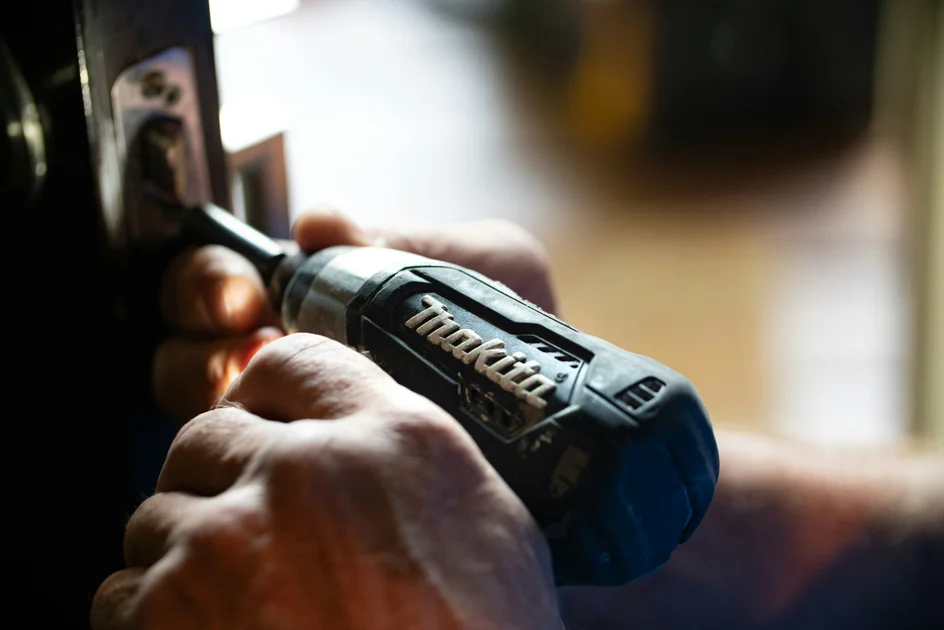
Understanding home repair safety tips before starting any DIY project is the thin line between a successful renovation and a catastrophic emergency room visit. As we navigate the complex landscape of home improvement in 2026, the rise of smart-tool integration and advanced materials has shifted the risks associated with residential maintenance. While the allure of saving money on professional labor is powerful, investigative data from emergency services suggests that nearly forty percent of household injuries occur during improperly executed weekend upgrades. By prioritizing safety protocols, you not only protect your physical well-being but also ensure the structural integrity of your property against long-term liability. This guide dissects the hidden hazards and essential preparation steps every modern homeowner must master before picking up a power drill or a demolition hammer.
The Hidden Dangers of Modern DIY
Behind every polished social media renovation tutorial lies a reality of potential hazards that influencers rarely disclose. In 2026, the proliferation of lithium-ion battery-powered tools has introduced new fire risks, particularly when charging stations are left unattended in cluttered garages. Many enthusiasts fail to recognize that older homes contain hazardous materials like lead paint or friable asbestos hidden behind drywall, which can become airborne during simple renovation tasks. Investigating these risks requires more than just a quick glance at the project manual; it demands a thorough audit of your home’s history, including original blueprints and material specifications that could trigger severe health complications if disturbed improperly.
Moreover, the psychological pressure to complete projects quickly—often fueled by the instant gratification of online platforms—leads to cognitive fatigue, a primary driver of tool-related accidents. When you bypass basic safety steps, you are not just gambling with your time; you are risking permanent injury. Experts suggest that the most common mistakes occur during the final ten percent of a project, where impatience overrides caution. By acknowledging that your home is a complex ecosystem of electrical, structural, and chemical components, you move away from reckless improvisation toward a professional mindset that values preservation over speed, thereby reducing the likelihood of a preventable disaster.
Reddit & Expert Community Consensus
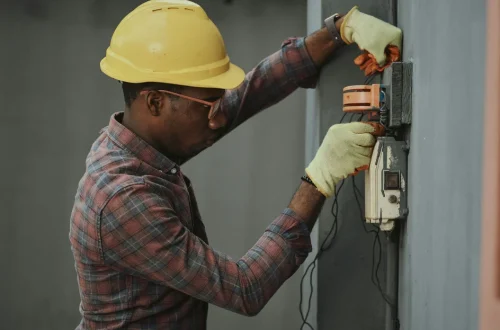
The consensus among seasoned contractors on r/DIY and trade forums is clear: if you are asking if a task requires an electrician or plumber, you probably shouldn’t be doing it yourself. One master plumber noted, “I spend half my week fixing ‘easy’ DIY jobs that ended up causing thousands in water damage because the homeowner skipped the pressure testing phase.” Another veteran electrician added, “The most dangerous amateur is the one who watches a ten-minute video and thinks they are a master tradesperson. Always pull the main breaker before touching any outlet, and for the love of safety, invest in a non-contact voltage tester.”
Pros and Cons Analysis
When deciding whether to tackle a project independently or hire a licensed contractor, homeowners must weigh the financial implications against the inherent safety risks. The following table outlines the critical factors that define the 2026 DIY landscape, helping you make an informed decision based on your skill set and the project’s complexity.
| Factor | DIY Approach | Professional Contractor |
|---|---|---|
| Cost Efficiency | Lower upfront material costs | Higher, includes labor/overhead |
| Safety Compliance | Dependent on personal expertise | Strict adherence to building codes |
| Time Investment | Significant, prone to delays | Faster, predictable scheduling |
| Insurance/Liability | Usually not covered by policies | Bonded, insured, and warranted |
| Quality Assurance | Variable, potential for rework | Guaranteed standards of finish |
The pros of the DIY route are undeniable; you gain a deep intimacy with your home’s systems and save on labor costs that can be redirected into higher-end materials. However, the cons are equally significant, as DIY mistakes often void manufacturer warranties and can lead to expensive insurance claim denials. Professional contractors bring a level of risk mitigation through liability insurance and local building code certifications that an amateur simply cannot replicate. Before committing your weekend to a project, honestly assess whether the potential cost savings outweigh the long-term risk of a faulty electrical connection or a compromised load-bearing wall.
Essential Safety Gear Checklist
Personal Protective Equipment (PPE) is not merely a suggestion; it is a critical barrier between you and life-altering injury. In 2026, we have access to high-performance gear that is both ergonomic and highly effective, yet many homeowners continue to operate power tools without adequate eye or ear protection. Standard safety glasses should be impact-rated to ANSI Z87.1 standards, while respiratory protection must be matched to the specific particulate matter you anticipate encountering, such as fine silica dust from masonry or volatile organic compounds from paints. Neglecting these basics is often the first step toward a preventable injury.
The Role of Advanced PPE
Beyond the basics, think about specialized protection such as cut-resistant gloves for demolition or vibration-dampening gear for long-term power tool usage. Chronic exposure to high-decibel tools can lead to permanent hearing loss, a condition that is entirely avoidable with proper ear protection. Furthermore, footwear should always be steel-toed or composite-toed to protect against dropped heavy objects, which remain a leading cause of foot trauma in home garages. By treating your personal safety gear with the same level of importance as your primary power tools, you establish a professional culture of safety that significantly lowers your risk profile during any renovation project.
Preparing Your Workspace
Effective home repair starts long before the first nail is hammered; it begins with the physical organization of the workspace. A cluttered environment is a dangerous environment, as debris and misplaced tools create tripping hazards that can lead to falls or accidental tool activation. In 2026, specialized tool organization systems and portable work benches have made it easier than ever to maintain a clean, efficient zone. Always ensure that your workspace is adequately lit, as shadows can obscure potential hazards and lead to imprecise cuts or missed structural details that compromise the project’s stability.
Additionally, always establish a clear exit path and ensure that your fire suppression equipment is within arm’s reach. Many DIY fires start in waste bins filled with solvent-soaked rags or sawdust; therefore, proper disposal protocols must be strictly followed to prevent spontaneous combustion. By dedicating time to set up a safe, clean, and well-lit workspace, you effectively remove the primary environmental factors that lead to accidents. This preparation stage is often where the most experienced contractors spend the majority of their time, recognizing that a well-ordered shop is the foundation of a successful and safe home improvement project.
Building Codes and Permits
Ignoring local building codes is perhaps the most significant mistake a DIY enthusiast can make, as these regulations are written in the blood of previous accidents. In 2026, many jurisdictions have moved to digitized permit applications, making it easier than ever to ensure your project meets legal and safety requirements. Permits are not just bureaucratic red tape; they provide a framework for safety inspections that verify your work is up to standard, protecting your family from hidden hazards like gas leaks or structural failures. Always consult the International Code Council or your local building department before beginning structural or system-based work.
Failure to obtain necessary permits can lead to severe consequences, including forced removal of work, heavy fines, and significant hurdles when attempting to sell your property in the future. Many homeowners falsely believe that interior work is exempt from oversight, but even minor electrical or plumbing adjustments can compromise the entire house’s safety. By engaging with your local building department, you gain access to professional guidance that can actually improve the quality and longevity of your DIY efforts. Treat these regulations as a resource for your safety rather than an obstacle to your creative vision, ensuring that every project enhances your home’s value and safety.
Key Takeaways
- Always verify if your project requires a permit from local authorities before purchasing materials.
- Never skip the use of proper PPE, including ANSI-rated eye protection and respiratory masks.
- Keep your workspace clean to eliminate tripping hazards and prevent accidental fires.
- Understand the limitations of your tools and never bypass safety guards or mechanisms.
- Prioritize structural integrity over aesthetic finishes; safety must always come first.
- When in doubt, consult a professional to avoid costly mistakes or permanent damage.
Frequently Asked Questions
Why is a building permit necessary for small DIY projects?
Permits ensure that your work adheres to established safety standards, preventing hazards like electrical fires or structural collapse, and protecting your future property value.
How can I identify asbestos in my home?
Asbestos is difficult to identify visually. If your home was built before the 1980s, consider hiring a professional testing service to analyze materials before you begin any demolition.
What is the most common injury in DIY projects?
Minor lacerations and eye injuries from flying debris are the most frequent, followed closely by falls from improperly secured ladders or step stools.
Should I upgrade my electrical panel myself?
No. Electrical panel work involves high-voltage risks that can be fatal and often requires professional certification to be legally compliant and insured.
How do I dispose of hazardous DIY waste?
Check your local government website for hazardous waste collection days, as chemicals, lead paint, and certain batteries must be disposed of at specialized facilities.
Conclusion
Embarking on a DIY project in 2026 requires a balanced blend of ambition, humility, and rigorous adherence to safety protocols. By respecting the inherent risks of home improvement and taking proactive steps to mitigate them, you transform your house into a safer, more resilient living space. Remember that the true measure of a successful project is not just the final visual result, but the fact that you completed it without injury or long-term compromise to your home’s systems. Stay informed, prioritize your safety gear, and never hesitate to call in a professional when a task exceeds your current skill set.
- Prevent Household Plumbing Emergencies with Smart Overflow Control
- Quick Fix Guide: Temporarily Seal a Leaking Water Heater Drain Valve
- Mastering Home Repair Safety: Risk Assessment & Compliance Standards
- DIY Drywall Repair for Small Holes and Wall Cracks
- Safe Entry Practices for Testing Air Quality in a Flooded Basement: A Safety Guide