Did you know that over 400,000 Americans visit emergency rooms annually due to DIY home repair accidents? Navigating the complexities of home repair risk assessment and safety compliance standards is not merely about following rules; it’s about safeguarding lives and investments. This article delves deep into the critical processes and best practices homeowners must adopt to ensure every project, big or small, is executed with paramount safety and adheres to the latest guidelines, helping you avoid becoming another statistic.
Quick Answer: Home repair risk assessment involves systematically identifying potential hazards, evaluating their likelihood and severity, and implementing control measures before, during, and after any home improvement project. Safety compliance standards are the established guidelines, codes, and regulations (local, state, and national) that dictate how repairs and renovations must be performed to minimize risks to people and property.
Understanding Home Repair Hazards
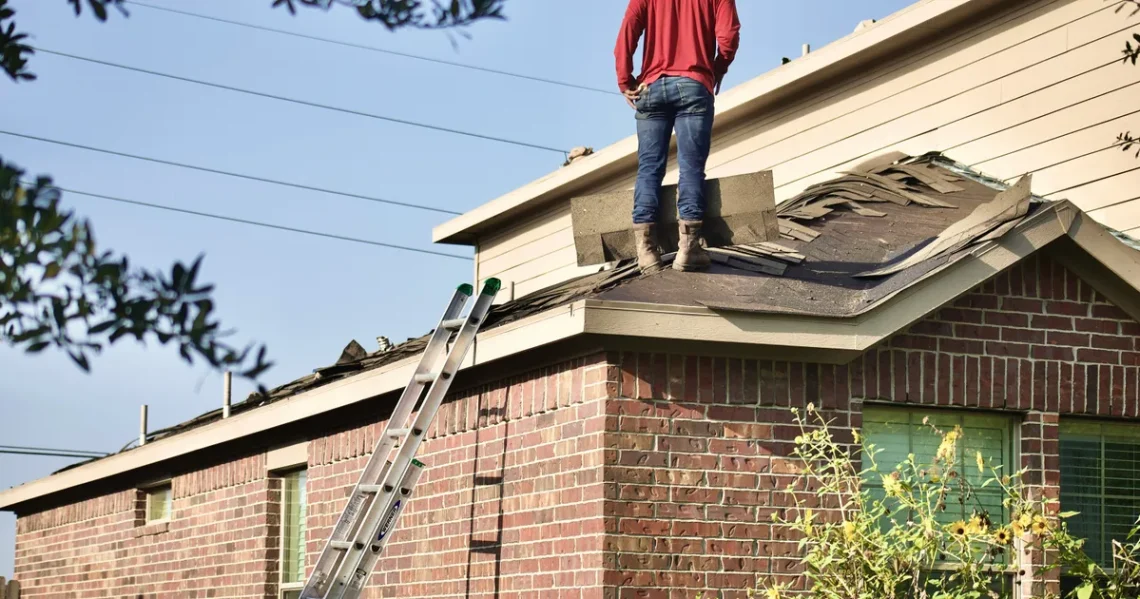
Every home repair project, from changing a light fixture to renovating a bathroom, carries inherent risks that can lead to injury or property damage if not properly managed. Common hazards include electrical shock from faulty wiring, falls from ladders or scaffolding, cuts and punctures from tools, and exposure to hazardous materials like asbestos or lead paint. Identifying these potential dangers early in the planning phase is the cornerstone of any effective safety strategy, allowing homeowners to proactively mitigate risks.
Beyond the immediate physical dangers, there are also structural and environmental risks to consider. Overlooking the integrity of load-bearing walls, improperly ventilating work areas, or ignoring the presence of mold can lead to long-term health issues or costly structural failures. A thorough understanding of these multifaceted hazards is crucial for developing a comprehensive home repair risk assessment and safety compliance standards plan, ensuring a safe and successful outcome for any project you undertake.
Importance of Risk Assessment
Implementing a robust risk assessment process before starting any home repair project is not just a recommendation; it’s a necessity for preventing accidents and ensuring project success. By systematically evaluating potential dangers, you can identify necessary safety equipment, plan for proper waste disposal, and understand when to call in a professional. This proactive approach saves time, money, and potentially lives, making your home a safer environment for everyone involved in the repairs.
Moreover, adhering to a structured risk assessment helps homeowners align with local building codes and residential safety standards, which are continuously updated, with new revisions expected in 2026. This compliance ensures that your repairs are not only safe but also legal, preventing potential fines, insurance complications, or difficulties when selling your home in the future. A well-documented assessment demonstrates diligence and commitment to safety, providing peace of mind throughout the renovation process.
Steps for Effective Safety Compliance
Effective safety compliance begins long before the first tool is picked up. Start by clearly defining the scope of your project, then identify all potential hazards associated with each task. This includes assessing the condition of your tools, ensuring adequate lighting and ventilation, and verifying the stability of work surfaces. Always consult product manuals and consider accessing resources like OSHA’s guidelines for general industry safety, which offer valuable principles applicable to home projects.
Once hazards are identified, implement control measures. This means using appropriate personal protective equipment (PPE) like safety glasses, gloves, and hearing protection, and establishing clear safety protocols for operating machinery or handling chemicals. Regularly inspect your work area for new hazards and maintain a clean, organized space to prevent slips, trips, and falls. Staying updated on best practices for home repair risk assessment and safety compliance standards is an ongoing commitment.
Specific Tool Safety Guidelines
Power tools are indispensable for many home repairs but are also a leading cause of injuries if misused. Always read the manufacturer’s manual thoroughly before operating any tool. Ensure all safety guards are in place and functional. Never bypass safety features. When using electrical tools, check cords for damage and ensure they are plugged into ground fault circuit interrupter (GFCI) outlets, especially in damp environments, to prevent electrocution.
For hand tools, keep them clean, sharp, and in good repair. A dull blade can be more dangerous than a sharp one as it requires more force, increasing the risk of slippage and injury. Store all tools properly after use, ideally in a secure, dry location away from children. Regular maintenance and careful handling are paramount to preventing accidents and extending the life of your equipment, contributing significantly to overall home repair safety.
Navigating Regulations and Standards
Understanding and complying with local, state, and national regulations is a critical component of any home repair project. Building codes, electrical codes, and plumbing codes are designed to ensure structural integrity and public safety. Failing to obtain necessary permits or ignoring these standards can lead to costly rework, fines, and even legal issues. Always check with your local municipal planning or building department before commencing significant renovations.
Beyond local codes, consider broader residential safety standards and best practices from organizations like the Consumer Product Safety Commission (CPSC) for product safety information. These guidelines often cover everything from proper ventilation requirements to fire safety measures and material specifications. Staying informed about these evolving standards, particularly with anticipated updates by 2026, ensures your repairs are safe, compliant, and future-proof.
Emergency Preparedness and Training
Even with the most meticulous home repair risk assessment and safety compliance standards, accidents can still happen. Therefore, having a comprehensive emergency preparedness plan is non-negotiable. This plan should include readily accessible first-aid kits, clearly marked emergency exits, and a list of emergency contact numbers for medical services, fire departments, and utility companies. Ensure everyone involved in the project knows the plan and their role in an emergency.
Consider basic first-aid training for anyone undertaking significant DIY projects. Knowing how to treat minor cuts, burns, or sprains can make a crucial difference, while understanding when to seek professional medical help is paramount. Regularly review and update your emergency plan, perhaps annually, to account for new project types or changes in household members. Preparedness is the ultimate backup to prevention, ensuring a quick and effective response when unforeseen circumstances arise.
Key Takeaways
- Proactive risk assessment identifies hazards before they cause accidents.
- Strict adherence to safety compliance standards protects lives and property.
- Proper tool usage and maintenance are crucial for preventing injuries.
- Understanding local and national building codes ensures legal and safe renovations.
Frequently Asked Questions
What is the first step in a home repair risk assessment?
The very first step is to thoroughly identify all potential hazards associated with your specific repair project. This includes assessing the work environment, the tools you’ll use, and the materials involved, then considering potential risks like falls, electrical shock, or exposure to harmful substances.
Do I always need a permit for home repairs?
Not all home repairs require a permit, but significant structural changes, electrical work, plumbing modifications, or additions typically do. Always check with your local building department before starting any project to understand specific requirements and avoid potential legal issues or fines.
How often should I review my home safety protocols?
It’s advisable to review your home safety protocols before starting any new project, even minor ones. For ongoing projects or general home safety, a comprehensive review at least once a year, or whenever there’s a significant change in household members or equipment, is a good practice, especially keeping an eye on updates for 2026.
What are common safety compliance mistakes homeowners make?
Common mistakes include neglecting to wear appropriate PPE, using damaged or incorrect tools, failing to disconnect power before electrical work, not securing ladders properly, and ignoring local building codes. Many also underestimate the risks of seemingly simple tasks, leading to preventable accidents.
Conclusion
Mastering home repair risk assessment and safety compliance standards is indispensable for any homeowner undertaking DIY projects. By prioritizing safety through careful planning, adherence to guidelines, and preparedness for emergencies, you not only protect yourself and your loved ones but also ensure the longevity and value of your home. Embrace these principles, and your next project will undoubtedly be a safer, more successful endeavor. What safety measures have you found most effective in your own home repairs?