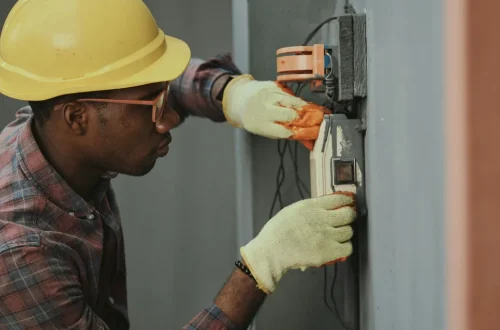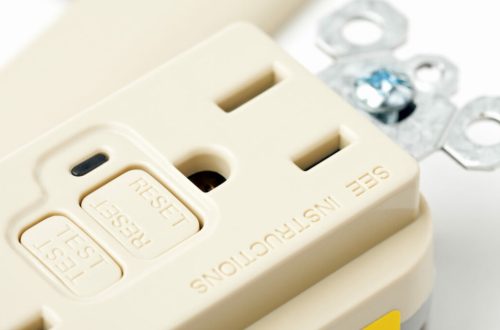

Did you know that over 300 fatal electrical injuries occur annually in the workplace globally, with many stemming from urgent, uncoordinated repairs? When an electrical system fails, the pressure to restore operations can be immense, often leading to a dangerous prioritization of speed over safety. However, neglecting electrical safety compliance during urgent repair situations can transform a critical incident into a catastrophic one, endangering lives, escalating costs, and incurring severe legal penalties. This article delves into the critical strategies and best practices necessary to navigate these high-stakes scenarios, ensuring worker protection and regulatory adherence even when every second counts.
Quick Answer: Electrical safety compliance during urgent repair situations involves implementing rigorous safety protocols, such as rapid risk assessment, strict lockout/tagout procedures, and utilizing qualified personnel, even under intense time pressure. It prioritizes worker protection and adherence to regulatory standards (e.g., OSHA, NFPA 70E) to prevent accidents, injuries, and fatalities while restoring essential services quickly and safely.
The Urgency vs. Safety Dilemma
The immediate aftermath of an electrical failure often creates a chaotic environment where the primary focus is rapid restoration. Business continuity demands quick fixes, and stakeholders exert pressure for minimal downtime. This urgency, while understandable, can inadvertently foster a culture where shortcuts are taken, essential safety checks are overlooked, and untrained personnel might attempt repairs. The inherent danger of electricity, combined with a rushed approach, significantly elevates the risk of electrocution, arc flash incidents, and severe burns, turning a repair job into a potential tragedy for those involved.
Despite the intense pressure, compromising fundamental electrical safety principles is never an option. Organizations must establish clear, pre-defined emergency response protocols that integrate safety as a non-negotiable component from the outset. These protocols should guide decision-making, ensuring that even in the most urgent situations, a systematic approach to hazard identification, energy isolation, and proper work procedures is followed. True resilience in operations comes not from speed alone, but from the ability to respond swiftly and safely, protecting both assets and human lives.
Robust Pre-Repair Risk Assessment
Even in an emergency, a rapid yet thorough risk assessment is paramount before commencing any electrical repair. This involves quickly identifying potential hazards such as live circuits, stored energy, arc flash risks, and the presence of flammable materials. A competent person must evaluate the specific situation, using available documentation like single-line diagrams, and conduct visual inspections to understand the scope of the damage and the potential for unexpected energy release. This swift assessment forms the foundation for all subsequent safety measures and dictates the necessary personal protective equipment (PPE).
Rapid Hazard Identification Tools
To facilitate a swift assessment, organizations should equip their emergency response teams with pre-established checklists and digital tools designed for rapid hazard identification. These tools guide technicians through critical steps, ensuring no essential safety consideration is missed under pressure. Furthermore, leveraging technology such as thermal imaging cameras can quickly pinpoint overheating components or hidden electrical issues, while clear, up-to-date electrical system schematics are invaluable for isolating affected sections. Prioritizing these quick, effective measures ensures that by 2026, every urgent repair begins with a strong understanding of its inherent risks.
Implementing Lockout/Tagout (LOTO) Swiftly
Lockout/Tagout (LOTO) procedures are the cornerstone of electrical safety and remain non-negotiable, even during urgent repair situations. The challenge lies in executing LOTO swiftly and effectively without cutting corners. This requires pre-identified energy isolation points, readily accessible LOTO devices, and a clear understanding among all involved personnel of their roles and responsibilities. Each energy source feeding the affected equipment must be positively identified, isolated, locked out, and tagged, preventing any accidental re-energization during the repair process.
Verification of de-energization is a critical step that must not be rushed. Qualified personnel must use appropriate testing equipment, such as voltage detectors, to confirm that all electrical energy has been dissipated and the circuit is truly dead before work begins. This “test before touch” principle safeguards workers from unexpected energization. For comprehensive guidelines on LOTO, refer to authoritative sources like the OSHA Control of Hazardous Energy (Lockout/Tagout) standard, which outlines essential requirements for safe energy isolation.
Competent Personnel and Training
Only qualified and authorized personnel should undertake urgent electrical repair work. A “qualified person” is defined as someone who has demonstrated skills and knowledge related to the construction and operation of electrical equipment and installations, and has received safety training to recognize and avoid the hazards involved. This distinction is crucial in emergency scenarios, where the risks are amplified and the margin for error is significantly reduced. Untrained individuals attempting repairs expose themselves and others to severe danger, regardless of the urgency.
Ongoing, rigorous training is essential to ensure that emergency response teams are not only technically proficient but also deeply ingrained with safety protocols. This includes regular refreshers on LOTO procedures, arc flash awareness, and the proper use of specialized PPE. Simulation exercises replicating urgent repair scenarios can effectively prepare teams for high-pressure environments, allowing them to practice rapid risk assessment and safe work practices. By 2026, organizations should aim for all personnel involved in urgent electrical repairs to be certified under standards such as NFPA 70E, ensuring a consistent level of competence and safety awareness.
Post-Repair Verification and Documentation
Once the urgent electrical repair is complete, the job isn’t finished until thorough post-repair verification and documentation are concluded. Before re-energization, the repaired equipment must be carefully inspected to ensure all tools, temporary grounds, and personnel are clear of the work area. Functional testing should confirm the repair’s effectiveness and the safe operation of the system. Re-energization must follow a controlled procedure, often involving a designated “re-energization coordinator” to prevent accidental activation and ensure all safety measures are removed in a controlled sequence.
Meticulous documentation of the entire urgent repair process is vital for several reasons. This includes recording the nature of the fault, the steps taken for isolation and repair, the personnel involved, any safety incidents or near misses, and the re-energization sequence. Such records are crucial for compliance audits, liability protection, and for continuously improving emergency response plans. Analyzing these records helps identify recurring issues and refine safety protocols, making future urgent repairs, including those anticipated in 2026, even safer and more efficient.
Key Takeaways
- Prioritize safety over speed in all urgent electrical repair situations to prevent catastrophic incidents.
- Conduct rapid but thorough risk assessments and implement strict Lockout/Tagout (LOTO) procedures without exception.
- Ensure only qualified, properly trained, and authorized personnel perform emergency electrical work.
- Document every step of the urgent repair process for compliance, continuous improvement, and accountability.
Frequently Asked Questions
Is Lockout/Tagout (LOTO) always required in urgent electrical repairs?
Yes, LOTO is always required. There are no exemptions for urgency when it comes to isolating hazardous energy. While the process may need to be executed swiftly, the fundamental steps of identifying energy sources, applying locks and tags, and verifying de-energization must be meticulously followed to protect workers from accidental energization and severe injury.
Who is considered “qualified” for emergency electrical work?
A “qualified person” for emergency electrical work is an individual who possesses the necessary training, knowledge, and experience to safely work on or near electrical circuits and equipment. They must be able to recognize and avoid electrical hazards, understand the construction and operation of the specific electrical system, and be authorized by their employer to perform the task. Certifications like NFPA 70E are often benchmarks for qualification.
How do we balance speed with safety during an electrical emergency?
Balancing speed with safety requires pre-planning, clear protocols, and continuous training. Organizations should have detailed emergency response plans that integrate safety steps into every phase of rapid repair. This includes pre-assigning roles, having readily available safety equipment, and empowering personnel to stop work if safety is compromised. Prioritizing a systematic, safe approach ultimately leads to faster, more sustainable restoration.
What are the legal consequences of non-compliance in urgent situations?
Non-compliance with electrical safety regulations during urgent repairs can lead to severe legal and financial consequences. These include hefty fines from regulatory bodies like OSHA, potential criminal charges in cases of serious injury or fatality, increased insurance premiums, and significant civil litigation costs. Beyond the legal ramifications, there’s also the irreparable damage to an organization’s reputation and employee morale.
Conclusion
Navigating electrical safety compliance during urgent repair situations is a delicate yet critical balance. While the pressure to restore operations quickly is undeniable, compromising safety standards is a risk no organization can afford to take. By embedding robust risk assessments, unwavering LOTO procedures, ensuring highly competent personnel, and meticulously documenting every step, businesses can transform potential hazards into safely managed challenges. Prioritizing safety not only protects lives and prevents costly incidents but also fosters a resilient operational environment ready for any future challenge. What strategies have you found most effective in maintaining compliance during high-pressure electrical repairs?
- How to Fix a Sagging Garage Ceiling: Support Repair Guide for Minor Sagging
- Property Damage Recovery After Water Exposure: An Essential Planning Guide
- How to Stop Kitchen Sink Backflow Immediately: A Quick Guide
- Prevent Household Plumbing Emergencies with Smart Overflow Control
- Emergency Flat Roof Tarping: How to Prevent Water Pooling and Leaks