Oh, the dreaded moment when your GFCI outlet trips, and you try to reset a tripped GFCI outlet that will not click back in! It’s a common scenario, often leading to a mix of frustration and a sudden loss of power in crucial areas like your kitchen, bathroom, or outdoor spaces. These essential safety devices are designed to protect us from electrical shock by quickly cutting off power when they detect an imbalance in the electrical current, known as a ground fault. While they’re lifesavers, it can be perplexing and a little worrying when that reset button just refuses to cooperate. Don’t worry, friend, you’re not alone, and we’re going to walk through some straightforward troubleshooting steps together to get your power flowing safely again.
Understanding GFCI Outlets and Why They Trip
Ground Fault Circuit Interrupter (GFCI) outlets are incredibly important safety devices mandated in areas where water might be present, like kitchens, bathrooms, laundry rooms, garages, and outdoor locations. Their primary job is to detect ground faults – situations where electricity strays from its intended path, perhaps through a person or water. When a GFCI senses even a tiny imbalance (as little as 5 milliamps), it trips instantly, shutting off power faster than a standard circuit breaker, thereby preventing potentially fatal electrical shocks. This rapid response is what makes them so vital for your home’s safety.
A GFCI outlet trips for a variety of reasons, and understanding these can often help diagnose why it won’t reset. The most common culprit is a ground fault, which could be caused by moisture getting into an appliance or the outlet itself, a frayed wire, or an electrical short within an appliance. Other reasons include an overloaded circuit, where too many high-power devices are drawing electricity from the same circuit, or even a problem with the GFCI unit itself. Sometimes, a power surge can also cause a GFCI to trip, acting as a protective measure against potential damage to your home’s electrical system.
Safety First: Before You Begin
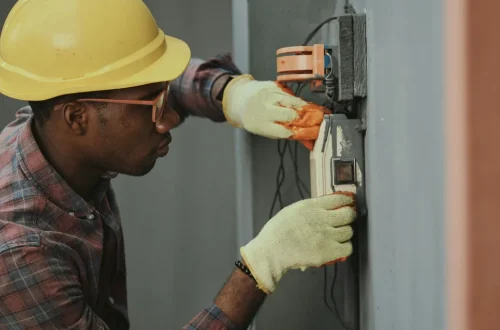
Before you even think about touching that stubborn GFCI outlet, electrical safety must be your absolute top priority. Working with electricity can be dangerous, and it’s essential to take precautions to prevent shocks or other hazards. The very first step is to turn off the power to the affected outlet at your home’s main electrical panel. Locate the circuit breaker that controls the specific outlet and flip it to the “OFF” position. If you’re unsure which breaker it is, it’s always safer to turn off the main breaker for your entire home, or at least the entire section where the outlet is located.
Once the power is off, it’s a good practice to verify it using a non-contact voltage tester. Simply hold the tester near the outlet slots; if it lights up or beeps, there’s still power, and you need to recheck your breaker panel. Never assume the power is off just because the lights are out. Always use dry hands and avoid standing in water when dealing with electrical outlets. If you feel uncomfortable or unsure at any point during the troubleshooting process, please do not hesitate to call a qualified electrician. Your safety is paramount, and it’s always better to be safe than sorry, especially when electricity is involved.
The Basic Reset Process (and Why It Fails Sometimes)
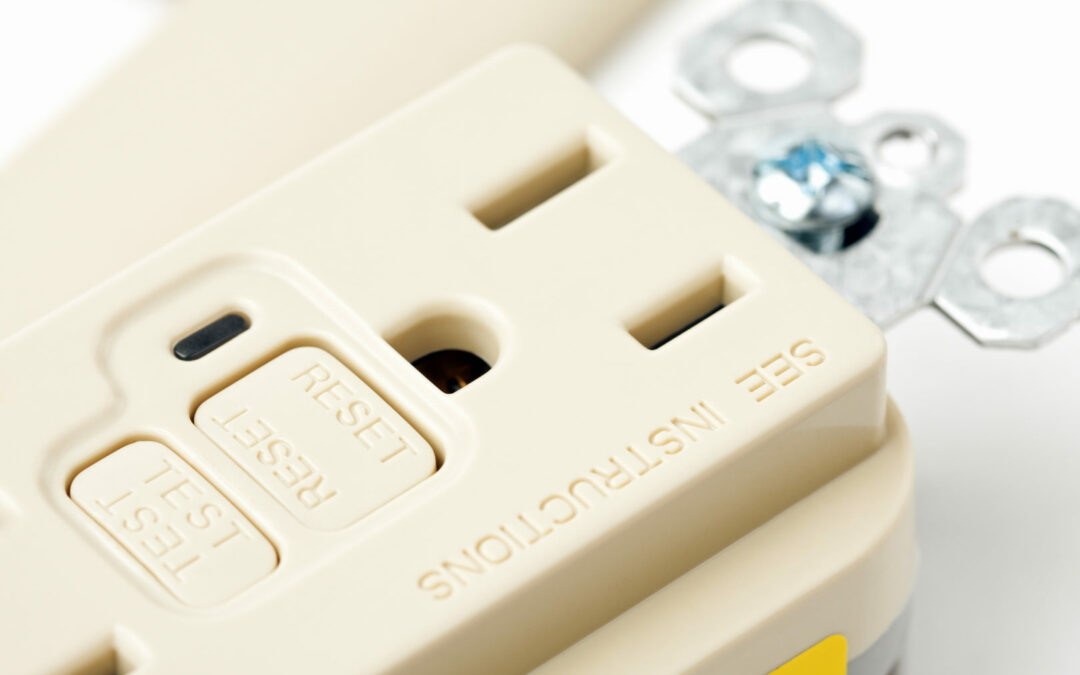
The standard procedure for resetting a tripped GFCI is usually straightforward: first, press the “TEST” button, then press the “RESET” button. When you press “TEST,” you’re simulating a ground fault, which should cause the outlet to trip and the “RESET” button to pop out. After pressing “RESET,” you should hear a satisfying click, and power should be restored. If your GFCI outlet will not click back in, it means the outlet is still detecting a problem, or there’s an issue with the outlet itself. This inability to reset is the GFCI doing its job, telling you that a fault condition still exists or that it’s no longer functioning correctly.
When the reset button refuses to engage, it’s a clear signal that the GFCI is still sensing an active ground fault, an overload, or it has failed internally. It’s designed specifically not to reset if it believes there’s still a danger. This could be due to a faulty appliance plugged into the GFCI or any other outlet on the same circuit, moisture intrusion, or even damaged wiring. The GFCI is essentially in a protective lockout mode, preventing power from flowing until the underlying issue is resolved. Understanding this helps you move beyond simply trying to force the button and instead focus on diagnosing the root cause.
Troubleshooting Common Culprits
When your GFCI outlet won’t reset, the first step after ensuring safety is to identify what might be causing the trip. A very common cause is an overloaded circuit. We often plug multiple high-wattage appliances, like hair dryers, toasters, or blenders, into the same circuit, especially in kitchens or bathrooms. Try unplugging everything from the GFCI outlet and all other outlets on the same circuit. Then, attempt to reset the GFCI. If it resets successfully, plug appliances back in one by one to identify which one causes the trip. This method helps pinpoint a potentially faulty appliance or confirms an overload.
Another frequent issue is a faulty appliance. Even if the circuit isn’t overloaded, an appliance with a damaged cord, internal wiring problem, or motor issue can cause a ground fault. Systematically unplugging all devices and then testing them one by one is crucial. Pay special attention to appliances that have been dropped, exposed to water, or show any signs of wear and tear, such as frayed cords. Moisture is also a major culprit, especially in bathrooms, kitchens, and outdoor areas. Even a tiny bit of water or condensation inside an outlet or an appliance can trigger a ground fault. Ensure the outlet area is completely dry, and consider if any recent spills or humidity could be contributing to the problem.
Checking for Downstream GFCI Outlets
It’s important to remember that one GFCI outlet can provide ground-fault protection for several standard outlets downstream from it on the same circuit. If your GFCI won’t reset, it’s possible that a ground fault is occurring at one of these other outlets, not necessarily the GFCI itself. Systematically check all other outlets, especially those in wet locations, that might be connected to the same circuit. Look for any signs of water, damage, or tripped GFCI outlets that you might have overlooked. Sometimes, simply resetting a different GFCI outlet or unplugging an appliance from a regular outlet further down the line can resolve the issue with your primary GFCI.
Beyond the Outlet: Checking Your Breaker Panel
Sometimes, the issue isn’t just with the GFCI outlet itself, but also involves your home’s main electrical panel. A GFCI trip, especially if it’s a significant ground fault or an overload, can sometimes cause the corresponding circuit breaker in your electrical panel to trip as well. This means you have two protective devices doing their job. If you’ve tried all the troubleshooting steps at the outlet level and your GFCI still will not click back in, head to your breaker panel. Look for a breaker that is in the “OFF” position or, more commonly, one that is “tripped” – usually halfway between “ON” and “OFF.”
To reset a tripped circuit breaker, firmly push it all the way to the “OFF” position first, and then push it back to the “ON” position. You should feel a distinct click. If the breaker immediately trips again, it indicates a persistent electrical problem on that circuit, and you should not attempt to reset it repeatedly. A continuously tripping breaker means there’s a serious fault, and it’s trying to protect your home. After resetting the breaker, return to the GFCI outlet and attempt to reset it again using the “TEST” then “RESET” sequence. If both the breaker and the GFCI reset successfully, you’ve likely resolved the immediate power issue for 2026.
When to Call a Professional
While many GFCI issues can be resolved with a bit of troubleshooting, there are times when it’s absolutely essential to call in a qualified electrician. If you’ve gone through all the steps – unplugging appliances, checking for moisture, resetting the breaker, and your GFCI outlet still will not click back in – it’s a strong indicator that the problem is beyond a simple fix. This could point to faulty internal wiring within the GFCI unit itself, a deeper wiring issue within your home’s electrical system, or even an incorrectly installed GFCI. Attempting to fix complex electrical problems without proper training and tools can be dangerous and could exacerbate the issue.
An electrician has the specialized tools and expertise to properly diagnose complex electrical faults. They can test the GFCI unit to see if it’s faulty, inspect the wiring for damage or improper connections, and identify hidden ground faults that might not be obvious. For instance, an older GFCI unit might simply be at the end of its service life; GFCIs typically have a lifespan of about 10-15 years, and a failing unit might refuse to reset. Don’t take chances with electrical safety. If in doubt, or if the problem persists even after trying all the troubleshooting steps, contacting a licensed professional is the safest and most effective course of action to ensure your home’s electrical system is safe and compliant with current electrical codes for 2026. You can find more information about electrical safety at NFPA electrical safety guidelines or UL on GFCIs.
Key Takeaways
- Always prioritize safety by turning off power at the breaker before troubleshooting.
- A GFCI that won’t reset indicates an active fault, an overload, or a faulty unit.
- Unplug all appliances from the circuit to rule out a faulty device or overload.
- Check for moisture or water intrusion in and around the GFCI and connected outlets.
- Don’t forget to check and reset the corresponding circuit breaker in your electrical panel.
- If all else fails, or if you’re uncomfortable, call a licensed electrician.
Frequently Asked Questions
Why does my GFCI trip repeatedly even after resetting?
Repeated tripping usually indicates a persistent ground fault or an overloaded circuit. First, unplug all items connected to the GFCI and other outlets on the same circuit, then try resetting. If it still trips, an appliance might be faulty, or there could be a wiring issue in the walls, requiring professional inspection.
Can a GFCI outlet go bad?
Yes, GFCI outlets can wear out over time, typically lasting about 10-15 years. Internal components can degrade, leading to a GFCI that won’t reset or trips too easily. If your GFCI is old and won’t reset after troubleshooting, it might be time for a replacement.
What’s the difference between a GFCI and a circuit breaker?
A GFCI (Ground Fault Circuit Interrupter) protects against ground faults, which are small but dangerous current imbalances that can cause shock. A standard circuit breaker protects against overcurrents (too much electricity flowing) and short circuits (a direct path for current), preventing wiring damage and fires. They serve different, but complementary, safety functions.
Should I test my GFCI outlets regularly?
Absolutely! It’s recommended to test GFCI outlets monthly. Simply press the “TEST” button (the GFCI should trip, and power should cut off), then press “RESET” (power should restore). This ensures the device is functioning correctly and ready to protect you.
What if my GFCI outlet won’t reset, but the breaker isn’t tripped?
If the breaker is fine but your GFCI won’t reset, the problem is likely localized to the GFCI outlet itself or a fault connected directly to it. This could be a faulty appliance, moisture, or the GFCI unit has failed internally. Continue troubleshooting the outlet and connected devices, or call an electrician if unsuccessful.
Conclusion
Dealing with a GFCI outlet that will not click back in can certainly be a head-scratcher, but by approaching it systematically and with safety as your guide, you can often resolve the issue yourself. Remember, these devices are designed to protect you, and their refusal to reset is a critical warning sign. Whether it’s an overloaded circuit, a faulty appliance, or hidden moisture, taking the time to diagnose the problem correctly is key. Always prioritize turning off the power and, if you ever feel out of your depth, don’t hesitate to reach out to a certified electrician. Your peace of mind and safety in 2026 are well worth it.
- Safe Entry Practices for Testing Air Quality in a Flooded Basement: A Safety Guide
- Electrical Safety Inspection Checklist for Older Homes
- Quick Fix Guide: Temporarily Seal a Leaking Water Heater Drain Valve
- Prevent Hazards: Essential Techniques for Safe Home Maintenance
- Short Circuit Detection Techniques & Immediate Response Strategies: A Guide