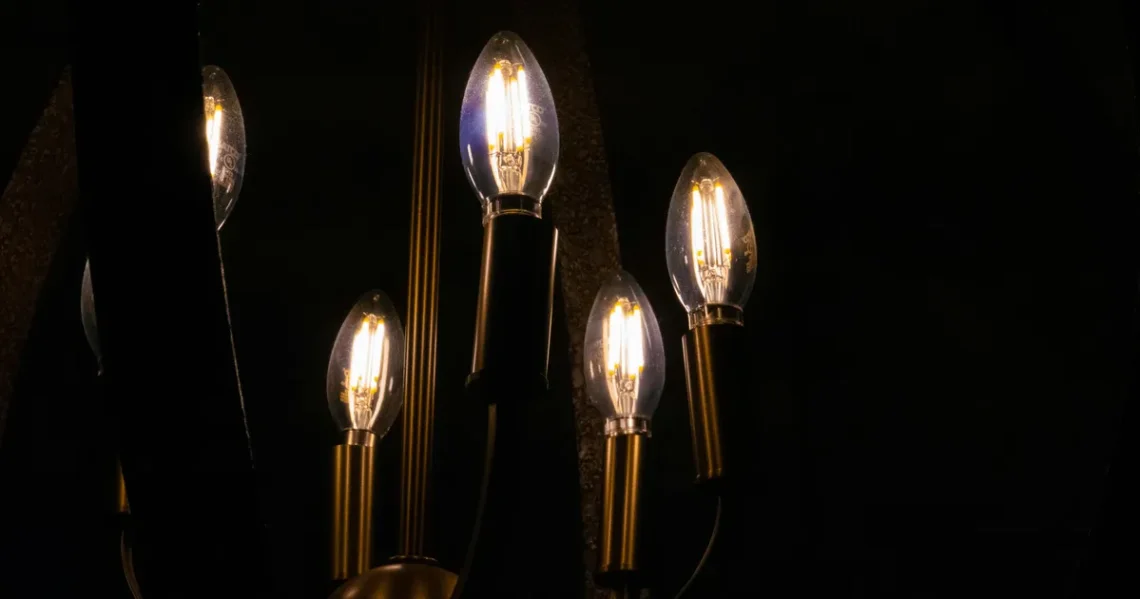
Experiencing flickering lights during voltage fluctuation can be more than just an annoyance; it often signals underlying issues with your home’s electrical system or the broader power grid. This common problem, characterized by lights dimming, brightening, or blinking erratically, not only disrupts daily life but can also potentially harm sensitive electronic devices and shorten the lifespan of your lighting fixtures. Understanding the root causes, whether they stem from external utility problems or internal wiring deficiencies, is the first crucial step toward finding an effective solution. This comprehensive guide will illuminate the various reasons behind these power inconsistencies and provide actionable strategies to diagnose and permanently resolve the issue, ensuring a stable and reliable power supply for your home.
Understanding Voltage Fluctuation and its Impact
Voltage fluctuation refers to variations in the electrical potential difference supplied to your home, which ideally should remain stable at a nominal level, typically 120V in North America or 230V in many other regions. These fluctuations can manifest as sags (undervoltage), surges (overvoltage), or brownouts, all of which disrupt the consistent flow of electricity. Sags, for instance, cause lights to dim noticeably as less power reaches the bulb, while surges can lead to sudden, brief brightening, potentially damaging the internal components of modern LED drivers or even filament-based bulbs. Understanding these different types of fluctuations is essential for proper diagnosis and mitigation.
The impact of unstable voltage extends beyond mere visual discomfort. Constant exposure to sags and surges can significantly reduce the longevity of household appliances and electronics, leading to premature failure. Modern smart devices and energy-efficient LED lighting are particularly susceptible to power quality issues, as their sophisticated internal circuitry relies on a steady power input. Furthermore, persistent flickering lights during voltage fluctuation can indicate a larger electrical problem that could pose safety risks, such as overheating wires or overloaded circuits, making prompt investigation and resolution imperative for home safety and equipment protection.
Identifying the Root Cause of Flickering Lights
Pinpointing the exact reason for your lights flickering is crucial for an effective fix. The problem could originate either externally from your utility provider’s grid or internally within your home’s electrical system. To differentiate, observe whether the flickering affects all lights and appliances in your house, or just specific rooms or fixtures. Widespread flickering, especially during adverse weather conditions, peak electricity usage times, or when neighbors report similar issues, strongly suggests a utility-side problem. In such cases, the local power company is the appropriate first point of contact for investigation and resolution.
Conversely, if the flickering is isolated to certain areas, specific circuits, or only occurs when particular high-power appliances (like air conditioners, refrigerators, or power tools) are activated, the issue likely resides within your home. Common internal causes include loose wiring connections at the light fixture, switch, or electrical panel, an overloaded circuit struggling to meet demand, or even a faulty dimmer switch. Older homes with outdated aluminum wiring or insufficient circuit capacity are often more prone to such internal electrical instabilities, necessitating a thorough internal inspection by a qualified professional to accurately diagnose and address the issue.
Immediate DIY Solutions for Minor Flickering
Before calling an electrician, there are several simple DIY steps you can take to address minor instances of flickering lights during voltage fluctuation. First, ensure that all light bulbs are screwed in tightly. A loose connection between the bulb and the socket is a surprisingly common cause of intermittent flickering. Next, try replacing the flickering bulb with a new one; the bulb itself might be faulty, especially with older incandescent or even some LED models reaching the end of their lifespan. If the problem persists with a new bulb, the issue lies elsewhere.
Another quick check involves inspecting the light fixture itself for any loose wires. Always turn off the power at the circuit breaker before attempting this. If you have dimmer switches, test if the flickering stops when the light is at full brightness or if you bypass the dimmer altogether, as faulty dimmers are a frequent culprit. Lastly, check your circuit breaker panel. A tripped or loose breaker can sometimes cause intermittent power, leading to flickering. Resetting any tripped breakers or ensuring they are firmly in the “on” position can resolve the issue. If these basic steps do not fix the problem, it’s time to consider more robust solutions or professional help.
Professional Solutions and Equipment
When DIY fixes prove insufficient, professional solutions and specialized equipment are often necessary to combat persistent flickering due to voltage fluctuations. One of the most effective long-term solutions is the installation of a whole-house voltage stabilizer. These devices monitor the incoming voltage from the utility grid and automatically adjust it to a constant, stable output, protecting all connected appliances and lighting from both undervoltage sags and overvoltage surges. For critical electronics, an Uninterruptible Power Supply (UPS) offers both voltage regulation and battery backup, ensuring continuous operation during brief power interruptions or severe fluctuations.
Choosing the Right Voltage Stabilizer
Selecting an appropriate voltage stabilizer is crucial for effective protection against power irregularities. Key factors to consider include the stabilizer’s VA (Volt-Ampere) rating, which indicates the maximum load it can handle; ensure it exceeds the combined wattage of all appliances it will protect. Different types exist, such as relay-type, servo-controlled, and static voltage stabilizers, each offering varying levels of precision and response time. Servo-controlled stabilizers, for example, provide highly accurate voltage correction, making them ideal for sensitive electronics, while relay-type stabilizers are more economical for less critical loads. Evaluate the input voltage range the stabilizer can handle, as well as features like surge protection and time-delay functions, to ensure comprehensive safeguarding for your home’s electrical system against future power quality issues in 2026 and beyond.
Beyond voltage stabilizers and UPS systems, an experienced electrician can perform a thorough audit of your home’s electrical wiring, connections, and service panel. They can identify and rectify loose connections, replace outdated or undersized wiring, upgrade circuit breakers, or even recommend a service panel upgrade if your current system cannot handle your household’s electrical demand. For homes experiencing frequent voltage surges, installing a whole-house surge protector at the main service panel can provide a critical layer of defense, diverting excess voltage away from sensitive electronics and preventing costly damage. These professional interventions address the underlying electrical infrastructure, offering a robust and lasting solution to flickering lights.
When to Call an Electrician or Utility Company
Knowing when to escalate the issue to a professional is vital for both safety and effective problem resolution. You should contact your utility company immediately if you observe widespread flickering across your entire home, if the issue coincides with similar reports from neighbors, or if it occurs during significant weather events or grid disturbances. These are strong indicators of a problem originating from the main power lines, transformer, or substation, which only the utility company is authorized and equipped to address. Reporting such issues promptly helps them maintain grid stability and safety for the entire community. You can often find their emergency contact information on their website, such as Energy.gov for general energy information or your local utility provider’s site.
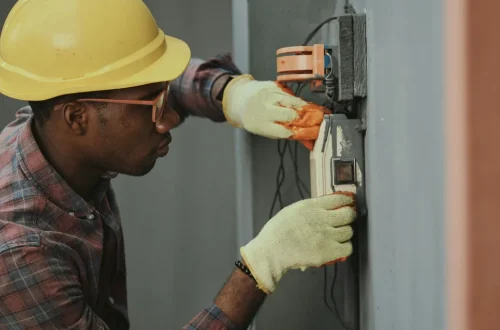
Conversely, if the flickering is localized to specific rooms, circuits, or fixtures, or if you notice burning smells, scorch marks, buzzing sounds from outlets, or frequently tripped circuit breakers, it’s time to call a licensed electrician. These symptoms suggest internal wiring faults, overloaded circuits, faulty outlets, or problems within the main electrical panel, which could pose serious fire hazards. An electrician possesses the expertise and specialized tools to safely diagnose and repair complex internal electrical problems, ensuring your home’s wiring is up to code and operating safely. Delaying professional intervention for these signs can put your property and occupants at significant risk.
Preventing Future Flickering: Long-Term Strategies
Proactive measures are key to preventing the recurrence of flickering lights during voltage fluctuation and ensuring a stable power supply for your home. Investing in a whole-house surge protector, installed at your main electrical panel, provides comprehensive defense against sudden voltage spikes that can damage appliances and contribute to electrical instability. Regular professional electrical inspections, ideally every 5-10 years or when purchasing an older home, can identify potential issues like loose connections, deteriorating wiring, or an overloaded service panel before they manifest as flickering lights or more serious hazards.
Consider upgrading older wiring and electrical panels, especially in homes built before the 1970s, as antiquated systems may not be equipped to handle the demands of modern electronics. Distributing high-power appliances across different circuits can prevent overloading, which is a common cause of localized flickering. Furthermore, embracing smart home technology can offer enhanced power quality monitoring and management. For instance, by 2026, many smart panels and energy management systems will provide real-time data on voltage stability, allowing homeowners to identify and address minor fluctuations before they become significant problems, contributing to a more resilient and efficient electrical infrastructure.
Key Takeaways
- Flickering lights during voltage fluctuation indicate underlying electrical issues, either external (utility) or internal (home wiring).
- Differentiate between widespread and localized flickering to determine whether to contact your utility company or an electrician.
- Simple DIY fixes include tightening bulbs, replacing faulty ones, checking dimmer switches, and resetting circuit breakers.
- Professional solutions involve installing voltage stabilizers, UPS systems, whole-house surge protectors, and electrical panel upgrades.
- Always call a licensed electrician for persistent internal issues like burning smells, frequent trips, or localized flickering after DIY attempts.
- Long-term prevention includes regular electrical inspections, wiring upgrades, and proper appliance load distribution.
Frequently Asked Questions
Why do my lights flicker only when a large appliance turns on?
This phenomenon typically indicates an overloaded circuit or insufficient wiring capacity. When a high-power appliance, such as an air conditioner, refrigerator, or microwave, cycles on, it draws a significant surge of current. If the circuit supplying your lights is on the same line and is already near its maximum load, this sudden demand can cause a momentary voltage drop across the circuit, leading to noticeable flickering or dimming of your lights. An electrician can assess your home’s electrical load and suggest solutions like dedicated circuits for heavy appliances or a service panel upgrade.
Can voltage fluctuations damage my electronic devices?
Yes, sustained or severe voltage fluctuations, especially surges (overvoltage), can significantly damage electronic devices. While minor sags might only cause temporary disruptions, repeated or strong surges can degrade internal components, leading to premature failure, data loss, or even immediate destruction of delicate circuitry. Modern electronics, with their sensitive microprocessors, are particularly vulnerable. Utilizing surge protectors, voltage stabilizers, or UPS systems is highly recommended to safeguard valuable equipment from these power irregularities.
Is it dangerous if my lights are constantly flickering?
Constant flickering can indeed be dangerous, as it often points to a serious underlying electrical problem. Loose wiring connections, which are a common cause of flickering, can generate heat, increasing the risk of electrical fires. An overloaded circuit, another potential cause, can also lead to overheating wires and tripped breakers, which are safety mechanisms but indicate a system under stress. If flickering persists despite basic troubleshooting, or if accompanied by burning smells, buzzing sounds, or frequent breaker trips, it is imperative to contact a qualified electrician immediately to prevent potential hazards.
What is the difference between a voltage stabilizer and an Uninterruptible Power Supply (UPS)?
While both devices deal with power quality, their primary functions differ. A voltage stabilizer primarily regulates incoming voltage, ensuring a consistent output voltage despite fluctuations (sags or surges) from the utility grid. It prevents damage by maintaining a steady supply. A UPS, on the other hand, combines voltage regulation with battery backup capabilities. Its main role is to provide temporary power during complete outages or severe brownouts, allowing connected devices to shut down safely or continue operating for a short period. Many modern UPS units also include built-in voltage stabilization, making them a comprehensive solution for critical electronics.
How often should I have my home’s electrical system inspected?
It is generally recommended to have a professional electrical inspection every 5 to 10 years for typical homes, or more frequently if your home is older (especially pre-1970s), you’ve made significant electrical renovations, or you’re experiencing persistent electrical issues like flickering lights. If you’re buying an older home, a pre-purchase electrical inspection is crucial. Regular inspections help identify and address potential hazards such as outdated wiring, overloaded circuits, loose connections, and faulty components before they lead to serious problems or safety risks, ensuring your home’s electrical system remains safe and efficient.
Conclusion
Addressing flickering lights during voltage fluctuation is essential for maintaining a safe, efficient, and comfortable living environment. By systematically diagnosing the cause, whether it’s a simple DIY fix like tightening a bulb or a more complex issue requiring professional intervention like a voltage stabilizer installation or wiring upgrade, you can restore stability to your home’s power supply. Proactive measures, including regular electrical inspections and strategic equipment upgrades, are crucial for preventing future occurrences and protecting your valuable electronics. Ensuring a stable electrical infrastructure not only enhances daily convenience but also safeguards your property and investments against the unpredictable nature of power grid inconsistencies, preparing your home for a reliable electrical future in 2026 and beyond.
- Safe Ladder Positioning Techniques for Roof Access: A Step-by-Step Guide
- Temporary Home Repair Fixes: What to Do Before the Pros Arrive
- How to Troubleshoot a Power Failure in Your Single-Phase Home
- Temporary Structural Repair: Quick Fixes for Household Damage
- Best Tools Every DIY Home Repair Beginner Should Own