Knowing how to safely handle broken material before testing for asbestos hazards is a vital skill for any homeowner or DIY enthusiast who finds themselves facing an unexpected renovation surprise. It is completely natural to feel a bit of anxiety when you notice a cracked floor tile or a crumbling piece of insulation in an older home, but taking a deep breath and following a methodical approach will keep your family safe. As we move into 2026, home safety standards have become more refined, emphasizing the importance of containment and cautious handling over immediate disposal. By understanding the basic principles of fiber suppression and physical isolation, you can manage these materials effectively while waiting for professional laboratory results to confirm whether a real danger exists or if you are simply dealing with harmless debris. Let us walk through this process together with care and steady hands.
Recognizing Potential Asbestos Hazards in the Home
Before you even touch a piece of debris, it is essential to understand that asbestos was a common component in thousands of building materials used well into the late 20th century. Materials like vinyl floor tiles, popcorn ceiling textures, and pipe insulation often contain these microscopic fibers because they provided excellent fire resistance and durability. When these items are in good condition, they generally pose very little risk to your health. However, the moment they become broken, crushed, or “friable,” they can release invisible dust into the air you breathe. This is why learning how to safely handle broken material before testing for asbestos hazards is the cornerstone of a responsible home maintenance strategy in 2026.
The danger is not always obvious to the naked eye, as asbestos fibers are significantly smaller than a human hair and can remain suspended in the air for hours or even days. If you encounter a section of drywall or insulation that has been damaged by water or physical impact, your first instinct might be to sweep it up and throw it away. You must resist this urge, as sweeping or vacuuming disturbed asbestos-containing material is the fastest way to contaminate your entire living space. Instead, treat every piece of suspicious broken material as if it is a confirmed hazard until a certified lab tells you otherwise. This cautious mindset protects your lungs and prevents expensive professional decontamination costs later on.
Establishing a Secure Containment Zone
The very first physical step in managing a potential hazard is to isolate the area to prevent the spread of dust to other rooms. You should immediately turn off your heating, ventilation, and air conditioning system to stop air from circulating throughout the house. Seal off any vents in the affected room using heavy-duty plastic sheeting and painter’s tape to ensure a tight fit. It is also wise to close all windows and doors, and if possible, use a “Do Not Enter” sign to keep children and pets away from the site. This containment process is a critical part of knowing how to safely handle broken material before testing for asbestos hazards effectively.
Once the air is still, you can further protect the environment by laying down 6-mil polyethylene plastic sheeting over any porous surfaces near the broken material, such as carpets or upholstered furniture. If the debris is on a hard floor, the plastic should extend several feet beyond the visible mess to catch any stray particles. Remember that your goal is to create a “dead air” space where no movement can lift settled dust back into the breathing zone. By following these 2026 protocols from the Environmental Protection Agency, you are creating a safety buffer that significantly reduces the risk of accidental exposure during the temporary period before you can get the material tested by a professional.
Wearing Proper Personal Protective Equipment
You should never attempt to move or stabilize broken materials without wearing the correct personal protective equipment, often referred to as PPE. A standard surgical mask or a simple dust mask from the hardware store is completely insufficient for asbestos fibers, as they can easily pass through the filter or around the edges. Instead, you must use a NIOSH-approved respirator equipped with N100 or P100 HEPA filters. These filters are specifically designed to trap the tiny mineral fibers that characterize asbestos. Ensuring a tight seal against your face is paramount; even a small gap can allow contaminated air to bypass the filtration system entirely during your cleanup efforts.
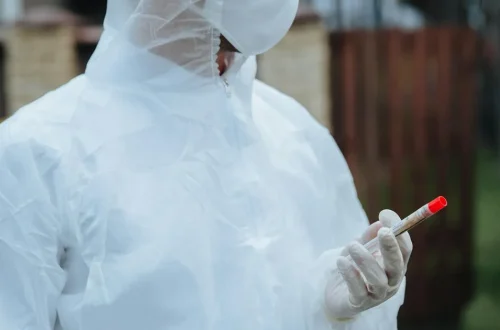
In addition to respiratory protection, you should wear disposable coveralls, such as those made from Tyvek material, which can be discarded after use. These suits prevent fibers from clinging to your everyday clothing and being carried into other parts of your home or your car. Wear disposable gloves and consider using safety goggles without vents to protect your eyes from any falling debris. Once you have finished handling the material, you should carefully peel off the suit and gloves, turning them inside out as you go to trap any dust inside the fabric. This rigorous approach to personal safety is a non-negotiable part of how to safely handle broken material before testing for asbestos hazards.
Utilizing the Wet Method for Fiber Suppression
One of the most effective ways to prevent asbestos fibers from becoming airborne is to keep the material damp. Dry asbestos is dangerous, but wet asbestos is much more stable because the water weight keeps the fibers anchored to the material. Before you attempt to move any broken pieces into a container, you should lightly mist them with a spray bottle filled with water and a few drops of dish soap. The soap acts as a surfactant, breaking the surface tension of the water so it can penetrate the material more deeply rather than just sitting on the surface. This technique is a standard recommendation by OSHA for managing hazardous dust.
Advanced Wetting Techniques for Porous Debris
For highly porous materials like thermal pipe insulation or old ceiling tiles, a simple surface mist might not be enough to reach the core of the break. In these cases, you should continue to apply the water solution slowly until the material is thoroughly saturated but not dripping excessively. You want the material to have the consistency of a damp sponge. If the material is too wet, you risk creating a contaminated slurry that could leak out of your disposal bags, which creates a whole new set of cleanup problems. Finding the right balance of moisture is a key skill when learning how to safely handle broken material before testing for asbestos hazards in a residential setting.
After the material is properly dampened, you should use a small shovel or a piece of stiff cardboard to gently lift the debris. Avoid breaking the pieces further, as every new fracture point provides an opportunity for fibers to escape. If you are dealing with a large amount of dust or very small fragments, you can use wet paper towels to gently blot the area. Never use a standard household vacuum, even one with a “HEPA” label, unless it is a specialized industrial model specifically rated for asbestos abatement. The high-velocity exhaust of a standard vacuum will simply blow the microscopic fibers out the back and into the air of your room.
Secure Storage and Labeling Procedures
Once the broken material has been collected, it must be placed into a heavy-duty, leak-proof container immediately. The gold standard for this is a 6-mil polyethylene bag specifically designed for hazardous waste. As you place the damp material inside, try to minimize the amount of air trapped in the bag to prevent it from “puffing” dust out when you seal it. Once the first bag is full, seal it with duct tape using a “gooseneck” fold—twist the top of the bag, fold it over, and tape it securely. This creates a redundant seal that is highly resistant to leaks. This careful containment is a vital part of how to safely handle broken material before testing for asbestos hazards.
Standard safety protocols in 2026 suggest double-bagging all suspicious materials to provide an extra layer of protection against accidental punctures. Place the first sealed bag inside a second 6-mil bag and seal that one in the same gooseneck fashion. Clearly label the outer bag with a permanent marker, stating “Potential Asbestos Hazard
Selecting a Certified Laboratory for Testing
After you have safely contained the broken material, the final step is to determine whether it actually contains asbestos. While home test kits are available at many hardware stores, they only provide the tools to collect a sample; the actual analysis must be performed by an accredited laboratory. Look for a facility that is certified by the National Voluntary Laboratory Accreditation Program (NVLAP). These labs use specialized equipment like Polarized Light Microscopy (PLM) or Transmission Electron Microscopy (TEM) to identify the specific mineral structures of asbestos. Knowing how to safely handle broken material before testing for asbestos hazards culminates in getting these definitive results from a trusted source.
When you send your sample to the lab, ensure you follow their specific instructions for packaging and documentation. Most labs will require a small piece of the material, about the size of a postage stamp, taken from a representative area of the break. If you have already bagged the debris, you can carefully open the bag while wearing your PPE, snip off a small piece, and place it into a high-quality zip-top bag before resealing the main storage bag. Once the lab provides the results, you will know for certain if you need to hire a professional abatement team or if you can proceed with your home repairs using standard safety measures. This clarity is the ultimate goal of the entire containment process.
Key Takeaways
- Isolate the Area: Immediately shut off HVAC systems and seal the room to prevent fiber migration.
- Use Proper PPE: Always wear a NIOSH-approved N100 or P100 respirator and disposable coveralls.
- Keep it Wet: Use a water and detergent solution to mist materials, preventing dust from becoming airborne.
- Double Bagging: Place all debris in two layers of 6-mil plastic bags and seal them with a gooseneck fold.
- Professional Analysis: Only trust NVLAP-accredited laboratories for definitive testing results.
- Avoid Vacuums: Never use household vacuums or brooms on suspicious broken materials.
Frequently Asked Questions
Can I just spray the broken material with hairspray to seal it?
While hairspray might seem like a quick fix to “glue” fibers down, it is not a recommended safety practice. Hairspray can be brittle when dry and may not penetrate the material deeply enough to provide a secure seal. Using a water-based surfactant solution is much more effective for suppression, as it keeps the material heavy and prevents dust from rising during the handling process. Stick to the proven wet methods to ensure maximum safety for your household.
How much does it typically cost to test a sample in 2026?
In 2026, the cost for professional laboratory testing generally ranges between fifty and one hundred dollars per sample, depending on the turnaround time you require. Some labs offer “rush” services for an additional fee if you need results within twenty-four hours. While this might seem like an added expense to your project, it is a small price to pay for the peace of mind and health security that comes with knowing exactly what materials are in your home.
What if I accidentally vacuumed the material before I knew it was dangerous?
If you have already vacuumed the debris, you should immediately stop using that vacuum and seal it in a large plastic bag. The internal filters and the exhaust of the machine are likely contaminated with fibers. You may need to consult with an environmental cleaning professional to perform air testing in your home to ensure that fibers haven’t been spread through the ventilation. It is better to be overly cautious in this situation to protect your long-term respiratory health.
Is one-time exposure to broken asbestos material dangerous?
While long-term exposure is the primary cause of serious asbestos-related diseases, there is no “safe” level of exposure defined by health officials. A single incident of breaking a small amount of material is generally considered a low risk, but the goal should always be zero exposure. By following the containment and handling procedures outlined here, you minimize the concentration of fibers in the air, which significantly lowers any potential health risks associated with the accidental disturbance of the material.
Can I dispose of the sealed bags in my regular trash?
No, you should never put potential asbestos waste in your regular household trash or recycling bin. Most municipalities have very strict regulations regarding the disposal of hazardous materials. Even if the material is double-bagged and sealed, it must be taken to a designated landfill that is licensed to accept asbestos waste. Check with your local waste management authority or health department to find the nearest authorized disposal site and learn about any specific transport requirements they may have.
Conclusion
Facing the possibility of asbestos in your home can be a daunting experience, but by learning how to safely handle broken material before testing for asbestos hazards, you are taking proactive control of your environment. Remember that patience and caution are your best tools during this process. By isolating the area, using the correct protective gear, and keeping materials wet, you effectively neutralize the immediate threat while you wait for laboratory confirmation. Your commitment to these safety protocols in 2026 ensures that your home remains a sanctuary for your family, free from the hidden dangers of the past. Stay safe, stay informed, and always prioritize your health over the speed of your renovation project.