Learning how to stop roof leaks during heavy rain quickly is a skill that separates homeowners who preserve their equity from those who suffer catastrophic interior damage. As a seasoned investigative journalist tracking residential infrastructure trends in 2026, I have observed that most property owners react with panic rather than protocol when water begins to infiltrate their living space. The secret to mitigating these emergencies lies not in permanent repairs, which are dangerous and ineffective during a storm, but in strategic containment and pressure diversion. Experts emphasize that the moment you see a drip, you are witnessing the final stage of a failure that likely began weeks or months prior due to thermal cycling or material fatigue. By implementing systematic containment methods, you can protect your assets until a professional can safely ascend to the roof once the skies clear.
The Anatomy of an Emergency Leak
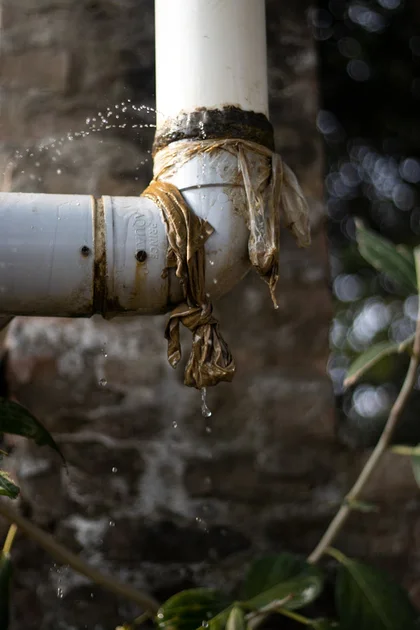
When a roof fails during a deluge, it is rarely due to a single hole, but rather the cumulative effect of compromised flashing or shifted shingles. In 2026, building science experts at the National Roofing Contractors Association note that water follows the path of least resistance, often traveling along rafters far from the actual point of entry. This phenomenon, known as water migration, makes identifying the leak source nearly impossible from inside the attic while the storm rages outside. Attempting to seal the exterior while it is actively raining is not only a recipe for personal injury but will almost certainly fail because sealants cannot bond to saturated substrates.
Instead of seeking a permanent fix, focus on the interior containment zone immediately. Use a sharp object to poke a small hole at the lowest point of a sagging ceiling bulge to release trapped water into a controlled container; this prevents the weight of the water from causing a full ceiling collapse. Place a bucket or heavy-duty plastic bin directly beneath the drip, and lay a towel or rag inside the container to minimize the splashing sound. These steps buy you critical time, allowing you to monitor the situation without compromising the structural integrity of your home’s interior finishings.
Immediate Containment Strategies
Once you have stabilized the interior, your primary goal is to redirect incoming moisture away from electrical outlets and high-value equipment. If water is tracking down a rafter, secure a piece of string or a small piece of fabric to the wood, allowing the water to drip off the string into your bucket rather than running further down the structural member. This technique effectively breaks the surface tension of the water, preventing it from reaching critical junctions or insulation bundles that might hold moisture and invite mold growth.
Safety Protocols During Storms
Never attempt to climb onto a wet roof during a downpour, as the risk of a fatal fall increases exponentially under slippery conditions. If you must inspect the attic, ensure you are wearing rubber-soled boots and carrying a high-lumen LED flashlight, avoiding any contact with electrical wiring that may have been exposed to moisture. By prioritizing these safety measures, you ensure that you remain capable of managing the house throughout the night while the storm passes through your region.
Comparison of Emergency Solutions
| Method | Efficiency | Durability | Best Use Case |
|---|---|---|---|
| Tarpaulin Deployment | High | Short-Term | Large exposed areas |
| Roofing Cement | Low (Wet) | Temporary | Dry-weather repair |
| Interior Diverters | Medium | Emergency | Drip containment |
| Butyl Tape | Medium | Moderate | Flashing gaps |
| Sealant Spray | Low | Very Short | Fine crack sealing |
Pros and Cons Analysis
Understanding the trade-offs between various emergency interventions is essential for any homeowner in 2026. The primary advantage of interior diversion is that it requires no exterior access, keeping the homeowner completely safe from weather-related hazards. However, the disadvantage is that it does not stop the water from entering the building envelope, which can lead to long-term issues like wood rot and mold colonization within the roof deck. If you can safely reach the exterior after the storm, applying a temporary tarp is superior because it prevents further saturation of the roof materials.
Conversely, using temporary sealants from the inside is rarely effective and can actually create a damming effect, forcing water into other, more vulnerable areas of the roof structure. Many hardware stores sell “emergency leak stop” sprays, but these are often marketed toward consumers who are desperate and lack the necessary experience to apply them correctly. Always choose methods that allow for easy cleanup and inspection, as this facilitates a more accurate assessment for the professional contractor who will handle the permanent repairs later.
Professional Assessment Requirements
Once the weather clears, you must conduct a thorough inspection or hire a professional to document the damage for insurance purposes. In 2026, many insurance adjusters require high-resolution imagery of the penetration point before authorizing a full claim. Check the attic for signs of daylight, darkened wood, or rusted nails, as these are telltale indicators of where the water intrusion began. Keep a log of when the leak started and how long it lasted, as this data is invaluable for determining if the issue is covered under your standard homeowners’ policy.
Consult with certified specialists through resources like The Better Business Bureau to ensure you are hiring a licensed professional. Avoid “storm chasers” who often appear in neighborhoods immediately after severe weather, as these individuals rarely provide the level of craftsmanship or warranty required for a lasting repair. A legitimate contractor will perform a moisture test on your decking to see if the wood needs to be replaced or if it can simply be dried out, preventing future structural instability.
Key Takeaways
- Always prioritize personal safety over property protection during active storms.
- Use interior diversion methods like strings or buckets to manage water flow.
- Never attempt to patch a wet roof from the outside during heavy rain.
- Document all damage with detailed photos and logs for insurance claims.
- Avoid temporary fixes that trap water inside your home’s framing.
- Contact a licensed professional immediately once the weather clears.
Frequently Asked Questions
Should I go into the attic during a storm?
Only if it is safe and you can avoid electrical hazards; otherwise, manage the drip from the living space below.
Does a leaking roof mean I need a replacement?
Not necessarily; many leaks are caused by simple flashing failures that a competent roofer can repair for a few hundred dollars.
Can I use duct tape to stop a leak?
Duct tape will fail almost immediately when exposed to water and cold; avoid it in favor of professional-grade butyl or roofing tarps.
How do I stop a ceiling from bulging?
Carefully poke a small hole in the center of the bulge to drain the water into a bucket to prevent a sudden collapse.
Will my insurance cover the cost of the repair?
Most policies cover sudden, accidental damage from storms, but they rarely cover issues resulting from long-term neglect or lack of maintenance.
Conclusion
Mastering how to stop roof leaks during heavy rain quickly is about effective management rather than miraculous repairs. By keeping your cool and utilizing the interior diversion techniques outlined here, you can prevent minor issues from escalating into major home disasters. Remember that your primary responsibility is to keep your family safe and the structure as dry as possible until a certified expert can inspect the roof in 2026. With the right preparation and a calm approach, you can successfully navigate even the most challenging storm events while preserving your home’s integrity for years to come.
- How to Prevent Hidden Mold After Water Intrusion: A Complete Guide
- Property Damage Recovery After Water Exposure: An Essential Planning Guide
- Electrical Safety Inspection Checklist for Older Homes
- Sump Pump Failure During Heavy Rain: What to Do to Prevent Basement Flooding
- Water Damaged Drywall: The Complete Inspection and Recovery Guide