Did you know that residential plumbing leaks account for over 1 trillion gallons of water wasted annually across the U.S., enough to supply over 11 million homes? Beyond the staggering water loss, a sudden leak can inflict severe structural damage, foster mold growth, and lead to thousands of dollars in repairs if not addressed immediately. Mastering rapid plumbing leak containment methods for residential systems isn’t just about saving money; it’s about safeguarding your home and peace of mind. This comprehensive guide, crafted for homeowners in 2026, equips you with the essential knowledge and practical steps to tackle plumbing emergencies head-on, minimizing potential disaster and ensuring a swift, effective response.
Quick Answer: To rapidly contain a residential plumbing leak, immediately locate and shut off the main water supply or the specific fixture’s shut-off valve. Then, assess the leak’s severity and apply a temporary fix using readily available materials like pipe repair clamps, epoxy putty, rubber patches, or even duct tape for minor drips, while simultaneously preparing to contact a professional plumber for a permanent solution.
Immediate Action: Locating and Shutting Off Water
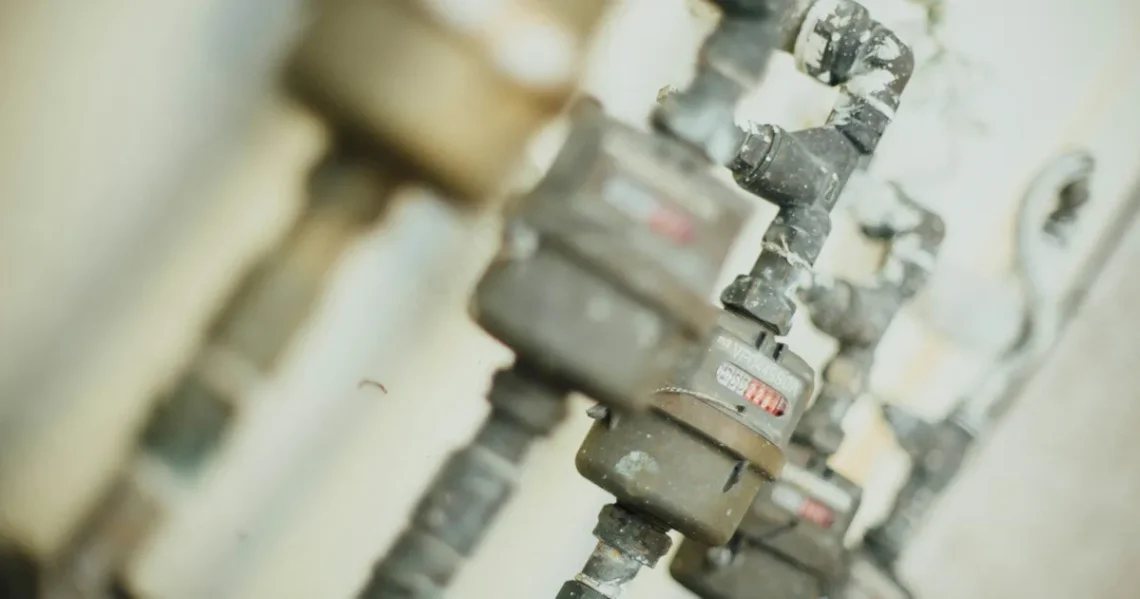
When a plumbing leak strikes, the very first step is to stop the flow of water as quickly as possible. This often involves a frantic search for the main water shut-off valve, which is typically found near your water meter, in the basement, a utility closet, or outside your home. Familiarizing yourself with its location before an emergency is crucial; a few seconds saved can prevent gallons of water damage. If the leak is isolated to a single fixture, such as a toilet or sink, look for smaller shut-off valves directly beneath or behind it.
Once you’ve located the appropriate valve, turn it clockwise until the water flow ceases completely. This immediate action is the most effective rapid plumbing leak containment method and will prevent further water from entering your home and exacerbating the damage. While you’re turning off the water, try to identify the source of the leak. Is it a burst pipe, a loose connection, a failing appliance hose, or a dripping faucet? A quick assessment helps determine the best temporary fix and what information to provide a plumber.
Essential Tools for Emergency Containment
Having a dedicated emergency plumbing kit can dramatically improve your ability to execute rapid plumbing leak containment. Key items should include pipe repair clamps, which are designed for temporary fixes on various pipe sizes and materials, offering a quick seal. Epoxy putty is another invaluable resource, as it can be molded around leaks and hardens quickly to create a watertight barrier, especially effective on small cracks or pinholes in pipes.
Beyond specialized repair items, ensure your kit contains basic hand tools like a pipe wrench, adjustable wrench, screwdriver set, and pliers. Heavy-duty rubber patches, often available in rolls, can be cut to size and secured with hose clamps or strong electrical tape around larger leaks. Don’t underestimate the utility of a sturdy bucket or large container for catching dripping water, along with old towels and rags to absorb spills and prevent water from spreading across floors or seeping into walls, mitigating secondary damage.
Effective Temporary Fixes for Leaks
Once the water is off and you’ve assessed the situation, applying a temporary patch is the next critical step in rapid plumbing leak containment. For small cracks or pinholes in metal pipes, a two-part epoxy putty can be a lifesaver. Simply mix the putty according to the manufacturer’s instructions, then firmly press it over and around the leak, ensuring good adhesion. It hardens quickly, providing a robust, albeit temporary, seal until professional repairs can be made in 2026.
For larger leaks or cracks, especially on PVC or copper pipes, a pipe repair clamp is often the most effective DIY solution. These clamps typically consist of a rubber gasket and a metal casing that bolts around the pipe, compressing the gasket over the leak. Alternatively, a piece of rubber (from an old bicycle inner tube or rubber sheeting) can be wrapped around the leak and secured tightly with strong hose clamps or multiple layers of electrical tape, creating a compression seal. Always aim for a snug fit to prevent further seepage.
Addressing Specific Leak Types
Different leaks require tailored temporary approaches. For a leaking joint, ensure it’s dry before applying plumber’s tape (PTFE tape) by wrapping it clockwise around the threads, then carefully re-tightening the connection. For a burst pipe, especially if it’s a larger rupture, a robust rubber patch secured with multiple hose clamps offers the best immediate containment. Pinpoint leaks on a straight section of pipe are ideal candidates for epoxy putty. Remember, these are stop-gap measures designed to prevent further damage, not permanent solutions.
Advanced Containment Strategies & Prevention
Beyond immediate fixes, understanding advanced containment strategies can further reduce potential harm. For widespread flooding from a major leak, consider deploying water barriers or sandbags to direct water away from vulnerable areas like electrical outlets or finished basements. If the leak is in an upper floor, use strategically placed tarps or plastic sheeting to funnel water into buckets, minimizing damage to ceilings and walls below. Always prioritize safety, especially around electricity. For long-term prevention, regular plumbing inspections are invaluable. The EPA’s WaterSense program offers excellent resources on identifying and fixing common household leaks before they escalate.
Investing in smart home technology can also provide an early warning system for leaks. Water sensors placed near water heaters, washing machines, sinks, and toilets can detect moisture and send alerts to your smartphone, allowing for incredibly rapid plumbing leak containment. Some advanced systems can even automatically shut off your main water supply upon detecting a leak, offering unparalleled protection. Furthermore, insulating pipes in unheated areas prevents freezing and bursting during colder months, a common cause of severe leaks, safeguarding your home’s integrity for years to come.
When to Call a Professional & Post-Leak Steps
While temporary fixes are crucial for immediate damage control, it’s vital to recognize when a situation demands professional expertise. Any leak involving high water pressure, significant structural damage, or a persistent drip after your best efforts warrants a call to a licensed plumber. They possess the specialized tools, knowledge, and experience to diagnose the root cause, perform permanent repairs, and ensure your plumbing system is up to code. Don’t hesitate to contact them immediately after applying your temporary fix, providing them with details of the leak and your containment efforts.
After the leak is contained and a professional plumber is on their way, focus on mitigating residual damage. Use a wet/dry vacuum to remove standing water, and run dehumidifiers and fans to dry out affected areas thoroughly. This is critical to prevent mold growth, which can start within 24-48 hours. Document everything with photos for insurance purposes, including the leak source, damaged areas, and any temporary repairs. For guidance on general emergency preparedness, consult resources like the American Red Cross.
Key Takeaways
- Locate and know how to operate your main water shut-off valve immediately.
- Assemble an emergency plumbing kit with essential temporary repair tools.
- Apply appropriate temporary fixes like clamps, epoxy, or rubber patches swiftly.
- Consider smart leak detection technology and proper pipe insulation for prevention.
- Always call a professional plumber for permanent repairs and significant leaks.
Frequently Asked Questions
How quickly can a small leak cause significant damage?
Even a small, persistent drip can cause significant damage over time, leading to wood rot, drywall deterioration, and mold growth within days or weeks. A major burst pipe, however, can flood an entire room in minutes, causing thousands in repairs very rapidly. Prompt action is always key.
Can I use duct tape for a plumbing leak?
While duct tape can offer a very temporary and rudimentary seal for extremely minor drips, it is generally not recommended for anything beyond the most superficial leaks. It lacks the pressure resistance and waterproofing capabilities of specialized pipe repair products like clamps or epoxy putty, and will likely fail quickly.
What’s the difference between a temporary fix and a permanent repair?
A temporary fix, like a pipe clamp or epoxy putty, aims to stop the water flow immediately to prevent further damage, buying you time. A permanent repair, performed by a professional plumber, involves replacing or properly sealing the damaged section of pipe or fixture to restore the plumbing system to its safe, functional state for the long term.
Should I turn off my water if I’m going on vacation?
Yes, absolutely. Turning off your main water supply before leaving for an extended period is a highly recommended preventative measure. This simple step eliminates the risk of a leak or burst pipe causing catastrophic water damage while your home is unoccupied, offering immense peace of mind.
Conclusion
Navigating a plumbing emergency can be stressful, but with the right knowledge and tools, you can effectively minimize damage and protect your home. Mastering rapid plumbing leak containment methods for residential systems empowers you to act decisively, transforming a potential disaster into a manageable situation. Remember, while temporary fixes buy you crucial time, professional expertise ensures a lasting solution. Stay prepared, stay vigilant, and share these vital tips with your community to foster a more resilient and prepared neighborhood in 2026. What other emergency preparedness tips have you found useful?
- Quick Fix: Temporary Attic Reinforcement After Storm Damage
- DIY Emergency Window Repair: Secure Your Broken Frame After a Break-in
- Emergency Flat Roof Tarping: How to Prevent Water Pooling and Leaks
- Common Household Repairs That Save Money on Contractors
- How to Fix Flickering Lights During Voltage Fluctuation