Did you know that electrical system failures, including circuit overloads, are a leading cause of residential fires, resulting in hundreds of deaths and billions in property damage annually? Understanding circuit overload protection and emergency handling procedures isn’t just about convenience; it’s about safeguarding lives and assets. Many homeowners and businesses unknowingly operate electrical systems at their limit, creating a ticking time bomb. This comprehensive guide, informed by 2026 safety standards, will demystify electrical overloads, equip you with essential preventative knowledge, and empower you to respond effectively when an emergency strikes, transforming a potentially dangerous situation into a manageable one.
Quick Answer: Circuit overload protection involves devices like circuit breakers and fuses that automatically interrupt power when current exceeds safe limits. Emergency handling procedures include immediately cutting power, identifying the cause, and safely resetting or repairing the issue, often with professional assistance, to prevent electrical fires and equipment damage.
Understanding Circuit Overloads: Causes and Risks
A circuit overload occurs when too many electrical devices are drawing power from a single circuit simultaneously, exceeding its design capacity. This excessive current flow generates heat within the wiring, which can degrade insulation, damage appliances, and significantly increase the risk of electrical fires. Common culprits include plugging multiple high-wattage appliances into one outlet or using power strips to expand capacity beyond what the circuit can safely handle. Recognizing the subtle signs of an impending overload, such as flickering lights or warm outlet covers, is crucial for proactive intervention and maintaining household safety.
The dangers associated with circuit overloads extend beyond property damage; they pose serious threats to life. Overheated wiring can ignite nearby combustible materials, leading to rapid fire spread, while damaged insulation can create shock hazards. Furthermore, continuous overloading can permanently compromise your electrical system’s integrity, necessitating costly repairs or even a complete rewiring. Understanding these risks underscores the importance of proper electrical load management and the implementation of robust circuit overload protection measures to ensure a safe environment for everyone.
Essential Circuit Protection Devices
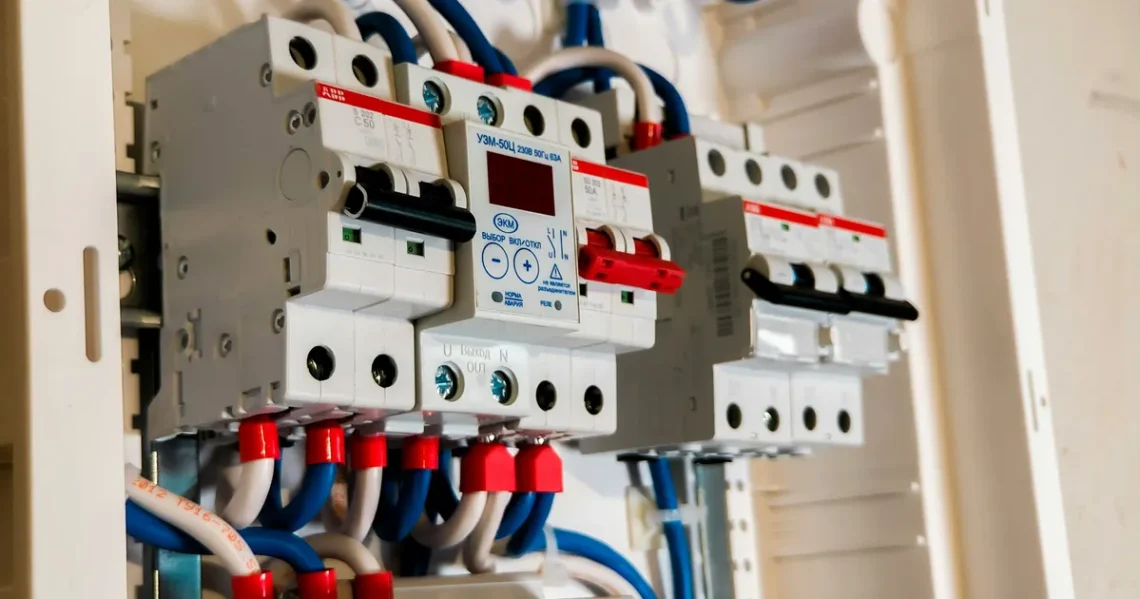
The primary guardians against electrical overloads are circuit breakers and fuses, fundamental components of any safe electrical system. Circuit breakers are resettable switches designed to automatically trip, or open, when they detect an excessive current flow, thereby interrupting the circuit and preventing overheating. Fuses, on the other hand, contain a metal wire that melts and breaks the circuit when overloaded, requiring replacement after activation. Both mechanisms serve the vital purpose of cutting power before wiring or appliances can be damaged or, more critically, before a fire can ignite, making them indispensable for circuit overload protection.
Choosing the right circuit protection device and ensuring its proper installation are paramount for effective electrical safety. Modern electrical panels typically feature circuit breakers due to their convenience and reusability, but older homes might still rely on fuses. It’s crucial to never bypass or tamper with these devices, as they are engineered to protect your property and loved ones. Regular inspection by a qualified electrician can confirm that your protective devices are correctly rated for your home’s electrical load and functioning optimally, offering peace of mind and robust defense against electrical hazards.
The Role of GFCI and AFCI Devices
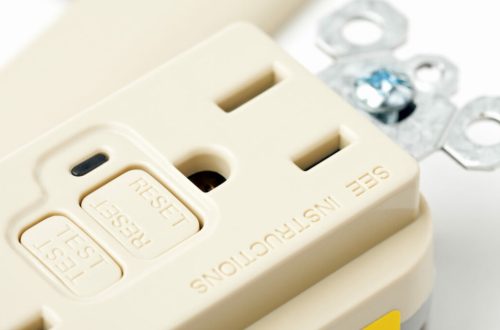
Beyond traditional circuit breakers, Ground Fault Circuit Interrupters (GFCIs) and Arc Fault Circuit Interrupters (AFCIs) provide specialized layers of protection against specific electrical dangers. GFCIs are designed to protect people from electric shock by detecting imbalances in current flow, which indicates a ground fault where electricity is escaping the circuit, potentially through a person. They are mandatory in areas like bathrooms, kitchens, and outdoors where water and electricity might mix. For more information on electrical safety standards, you can refer to resources from the National Fire Protection Association (NFPA).
AFCIs, on the other hand, protect against electrical fires caused by arc faults. Arc faults are unintended electrical discharges that can occur due to damaged wires, loose connections, or frayed appliance cords, generating intense heat capable of igniting insulation or nearby materials. AFCIs detect these dangerous arcing conditions and trip the circuit before a fire can start. Both GFCI and AFCI technologies represent significant advancements in electrical safety, complementing standard circuit overload protection by addressing specific, insidious threats that might otherwise go undetected until it’s too late. Ensuring your home or business is equipped with these devices is a smart investment in preventative safety for 2026 and beyond.
Immediate Steps During an Electrical Emergency
When a circuit breaker trips or you suspect an electrical emergency, such as a burning smell or sparks, your immediate response is critical. First and foremost, remain calm and prioritize safety. If a breaker trips, avoid immediately resetting it without investigating the cause. If you see smoke, flames, or hear unusual buzzing/popping noises, the absolute first step is to cut power to the affected area or, if necessary, to the entire building by switching off the main breaker at your electrical panel. This action isolates the problem and prevents further escalation, protecting both property and individuals from harm.
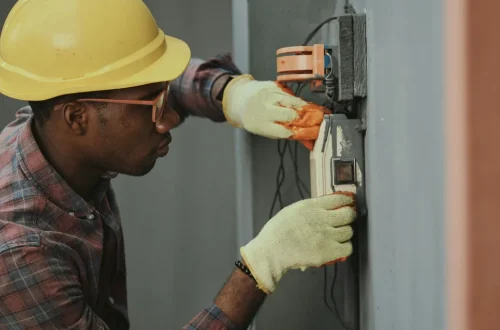
Once power is safely cut, if there’s no immediate fire, carefully unplug any devices that might have caused the overload. Never touch exposed wiring or attempt to put out an electrical fire with water; use a Class C fire extinguisher if safe to do so, or evacuate the premises and call emergency services. For issues beyond simply resetting a tripped breaker after unplugging an overloaded device, it’s always best to contact a qualified electrician. They can accurately diagnose the problem, ensure that wiring integrity is maintained, and prevent recurrence, providing expert emergency handling procedures for complex electrical faults.
Preventative Measures for Electrical Safety
Proactive measures are the cornerstone of preventing circuit overloads and ensuring long-term electrical safety. Begin by understanding your electrical system’s capacity; identify which outlets and appliances are on specific circuits. Avoid overloading outlets by distributing high-wattage devices across different circuits when possible, rather than relying on multi-plug adapters or power strips as permanent solutions. Always use appropriate extension cords for temporary needs and ensure they are rated for the power draw of the connected devices, never running them under carpets where heat can build up or damage can go unnoticed. For more advice on home electrical safety, consult resources like the U.S. Consumer Product Safety Commission (CPSC).
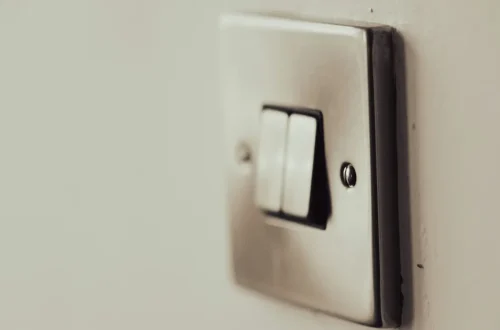
Regular inspections and mindful usage habits significantly reduce the risk of electrical incidents. Periodically check cords and plugs for signs of wear, fraying, or damage, and replace them immediately if compromised. Be wary of warm outlets or light switch plates, which can indicate an underlying issue. Consider upgrading older electrical systems, especially in homes built before the 1970s, as they may not be equipped to handle the demands of modern appliances. Investing in professional electrical inspections every few years can identify potential hazards before they escalate, providing invaluable preventative maintenance and reinforcing your circuit overload protection strategy.
Long-Term Maintenance and System Upgrades
Maintaining a safe and efficient electrical system requires more than just reactive fixes; it demands a long-term strategy involving regular inspections and timely upgrades. Professional electricians can conduct thorough electrical safety audits, identifying outdated wiring, corroded connections, undersized circuits, or faulty protective devices that might not be visible to the untrained eye. These inspections are crucial for catching potential hazards before they lead to serious overloads or failures. Investing in these check-ups every 3-5 years is a wise decision, particularly for older properties or those with increasing electrical demands.
As technology evolves and our homes become more electrified, system upgrades become essential. If your circuit breakers are frequently tripping, it’s a strong indicator that your current panel might be undersized or that certain circuits are consistently overloaded. Upgrading to a larger service panel can accommodate increased power needs, while adding dedicated circuits for high-demand appliances like air conditioners or electric vehicle chargers can prevent overloads on existing lines. Ensuring your electrical infrastructure is robust and up-to-date is not just about convenience; it’s a critical component of modern circuit overload protection and emergency handling procedures, safeguarding your property for decades to come.
Key Takeaways
- Understanding circuit overloads is vital for preventing electrical fires and ensuring personal safety.
- Circuit breakers, fuses, GFCIs, and AFCIs are essential protective devices that automatically cut power during faults.
- During an electrical emergency, immediately cut power to the affected area and never use water on electrical fires.
- Proactive measures like load management, cord inspection, and regular professional electrical audits are crucial for long-term safety.
Frequently Asked Questions
What does a tripped circuit breaker mean?
A tripped circuit breaker indicates that it has detected an electrical fault, such as an overload or a short circuit, and has automatically shut off power to that circuit to prevent damage or fire. It’s a safety mechanism working as intended.
Can I reset a circuit breaker multiple times if it keeps tripping?
No, repeatedly resetting a circuit breaker that continues to trip is dangerous. It signals an underlying problem that needs to be investigated by a qualified electrician, as it could be an overload, a short circuit, or a faulty appliance.
How can I tell if my house has GFCIs or AFCIs?
GFCIs are typically found as outlets with “TEST” and “RESET” buttons, often in kitchens, bathrooms, and outdoor areas. AFCIs are usually located in the main electrical panel as special circuit breakers, identifiable by their unique test buttons and often a small indicator light.
When should I call an electrician for an electrical issue?
You should call an electrician immediately for any persistent electrical issues, such as frequently tripping breakers, flickering lights, burning smells, warm outlets, or any issues you’re unsure how to safely resolve. Professional expertise is critical for diagnosing and repairing electrical faults.
Final Thoughts
Mastering circuit overload protection and emergency handling procedures is an indispensable skill for any property owner. By understanding the causes of overloads, leveraging essential protective devices, and implementing smart preventative measures, you can dramatically enhance the safety of your home or business. Remember, an informed approach to electrical safety is your best defense against potential hazards, ensuring peace of mind for 2026 and beyond. We encourage you to share your own electrical safety tips or experiences in the comments below – your insights could help others!
- Temporary Structural Repair: Quick Fixes for Household Damage
- Emergency Fixes: Quick Stabilization for Broken Fixtures & Fittings
- How to Safely Handle Broken Material Before Asbestos Testing
- Electrical Safety: How to Isolate a Dead Circuit Before Troubleshooting
- Roof Inspection Guide to Identify Hidden Damage Early