Did you know that electrical short circuits are responsible for nearly 10% of all residential fires and a significant number of industrial incidents each year? Mastering short circuit detection techniques and immediate response strategies isn’t just about maintaining system uptime; it’s about safeguarding lives, property, and preventing catastrophic financial losses. This guide will equip you with expert knowledge to identify, mitigate, and respond to these critical electrical faults effectively, ensuring robust safety protocols and operational continuity in 2026 and beyond.
Quick Answer: Short circuit detection techniques involve monitoring current, voltage, and impedance changes using devices like circuit breakers, fuses, RCDs, and advanced fault locators. Immediate response strategies prioritize safety by de-energizing the circuit, isolating the fault, assessing damage, and implementing a controlled repair process, often following a lockout/tagout procedure.
Understanding Short Circuits
A short circuit occurs when there’s an unintended, low-resistance path established between two points in an electrical circuit, allowing current to bypass the normal load. This sudden drop in resistance causes a dramatic surge in current, often hundreds or thousands of times higher than normal operating levels. The immense energy dissipated as heat in the shorted path can quickly melt insulation, vaporize conductors, and ignite flammable materials, leading to severe damage and potential hazards like fires or explosions. Identifying the root cause, whether it’s faulty insulation, loose connections, or accidental contact, is crucial for preventing recurrence.
The destructive power of a short circuit is directly proportional to the available fault current and the duration of the fault. Modern electrical systems are designed with protective devices specifically to interrupt these high currents before extensive damage occurs. However, even with these safeguards, a brief short circuit can still cause significant localized heating and stress on components. Understanding the physics behind this phenomenon, including Ohm’s Law and the relationship between voltage, current, and resistance, forms the bedrock for developing effective detection and protection strategies. Proactive maintenance and regular inspections are vital in minimizing the likelihood of such events.
Essential Detection Techniques
Effective short circuit detection relies on a combination of active monitoring and passive protection. Circuit breakers and fuses are the first line of defense, designed to automatically interrupt the circuit when an overcurrent condition, characteristic of a short circuit, is detected. Modern circuit breakers, especially molded case circuit breakers (MCCBs) and air circuit breakers (ACBs), offer adjustable trip settings and instantaneous trip functions, providing precise and rapid fault clearance. These devices are critical for preventing sustained high current flow that can cause extensive damage.
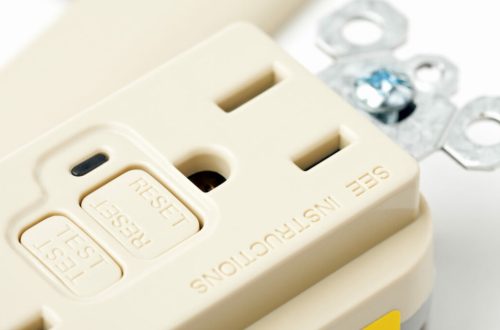
Beyond basic overcurrent protection, advanced techniques include Residual Current Devices (RCDs) or Ground Fault Circuit Interrupters (GFCIs), which detect current imbalances between live and neutral conductors, indicating a ground fault – a common type of short circuit. For complex industrial or utility grids, fault locators and impedance relays are employed. Fault locators use time-domain reflectometry (TDR) or other signal injection methods to pinpoint the exact location of a fault along a cable, greatly reducing downtime during troubleshooting. Predictive analytics, leveraging data from smart sensors, is also emerging as a powerful tool to identify pre-fault conditions in 2026.
Advanced Fault Locators
Advanced fault locators represent a significant leap in precision for short circuit identification, particularly in extensive electrical networks. These sophisticated tools utilize various principles, such as pulse echo (TDR), arc reflection, or current impulse methods, to accurately determine the distance to a fault. By sending a signal down a cable and analyzing the reflected waveform or the magnetic field generated by a high-current pulse, technicians can pinpoint insulation breaches or direct shorts with remarkable accuracy. This capability is invaluable in environments like underground cabling systems or large industrial complexes where visual inspection is impossible.
The immediate benefit of using advanced fault locators is a drastic reduction in troubleshooting time and repair costs. Instead of excavating or tracing entire lengths of cable, crews can target specific sections, minimizing disruption and labor. Furthermore, some cutting-edge systems can even differentiate between various fault types, such as open circuits, short circuits, or resistive faults, providing crucial diagnostic information before any physical intervention. Investing in such technology is a strategic move for any organization prioritizing uptime and efficient maintenance practices.
Immediate Response Protocols
When a short circuit is detected, immediate and decisive action is paramount to ensure safety and minimize damage. The very first step is to de-energize the affected circuit or equipment. This usually involves tripping the circuit breaker or removing the fuse that protected the circuit. If the fault affects a larger system, emergency shutdown procedures for the entire panel or facility may be necessary. Always prioritize human safety above all else, ensuring that personnel are clear of the immediate area and that no one attempts to interact with potentially live damaged equipment.
Following de-energization, it is critical to confirm that the power is indeed off using a verified voltage tester. Never assume a circuit is dead just because a breaker has tripped. Once safe, isolate the fault by physically disconnecting the affected equipment or section of wiring. Implement a lockout/tagout (LOTO) procedure to prevent accidental re-energization during assessment and repair. This involves physically locking off the power source and placing a tag indicating that maintenance is in progress. For comprehensive LOTO guidance, refer to resources like OSHA’s control of hazardous energy standard: www.osha.gov/control-hazardous-energy.
Post-Fault Assessment and Repair
After the immediate danger has been addressed and the circuit is safely de-energized and locked out, a thorough assessment of the damage is necessary. Visually inspect the area around the fault for signs of burning, melting, or discoloration of insulation, wires, or components. Use an insulation resistance tester (megohmmeter) to check the integrity of the insulation on the affected conductors and surrounding circuits. A low resistance reading indicates damaged insulation, confirming the presence of a short or ground fault. This diagnostic step is critical for preventing future issues.
Based on the assessment, develop a repair plan. This might involve replacing damaged wiring, components, circuit breakers, or even entire sections of electrical panels. Always use components with the correct ratings and ensure all repairs are performed by qualified personnel, adhering to local electrical codes and safety standards. For best practices in electrical safety and repair, reputable organizations like the National Fire Protection Association (NFPA) provide invaluable guidelines, such as those found in their NFPA 70E standard: www.nfpa.org/codes-and-standards/all-codes-and-standards/list-of-codes-and-standards/detail?code=70E. After repairs, conduct comprehensive testing before re-energizing the circuit to confirm its safety and functionality.
Preventive Maintenance Strategies
The most effective way to deal with short circuits is to prevent them from happening in the first place. A robust preventive maintenance program is crucial. This includes regular visual inspections of wiring, connections, and electrical components for signs of wear, fraying, or overheating. Pay close attention to areas prone to vibration, moisture, or chemical exposure, as these can accelerate insulation degradation. Tighten loose connections, which are common sources of arcing and eventual shorts, and ensure proper grounding of all electrical systems.
Thermal imaging is an incredibly powerful preventive maintenance tool. By scanning electrical panels and components with an infrared camera, technicians can identify hot spots that indicate loose connections, overloaded circuits, or impending insulation breakdown – all precursors to short circuits. Regular testing of protective devices, such as tripping circuit breakers and RCDs, ensures they will function correctly when called upon. Implementing these strategies proactively can significantly reduce the risk of electrical faults, extend the lifespan of equipment, and enhance overall electrical safety across your operations in 2026.
Key Takeaways
- Prioritize immediate de-energization and lockout/tagout (LOTO) procedures during a short circuit event to ensure human safety.
- Utilize both passive protection (fuses, circuit breakers) and active detection (RCDs, fault locators) for comprehensive short circuit management.
- Conduct thorough post-fault assessments using visual inspections and insulation resistance testing before attempting any repairs.
- Implement a robust preventive maintenance program, including thermal imaging and regular component inspections, to minimize future short circuit risks.
Frequently Asked Questions
What is the primary cause of short circuits?
The primary cause of short circuits is typically insulation failure, which can result from aging, physical damage, excessive heat, moisture ingress, or rodent activity. Loose connections, faulty wiring, or accidental contact between live conductors and ground are also common culprits, creating a low-resistance path for current.
How do circuit breakers detect a short circuit?
Circuit breakers detect short circuits by sensing an abnormally high current flow. They contain either thermal elements that heat up and trip due to sustained overcurrent or magnetic elements that instantaneously trip when a sudden, massive surge of current (characteristic of a short circuit) passes through them, interrupting the circuit.
Can a short circuit damage electronic devices even if a breaker trips?
Yes, even if a breaker trips quickly, a short circuit can still cause damage to sensitive electronic devices. The instantaneous surge of current and voltage fluctuations during the brief period before the breaker trips can be sufficient to fry internal components, especially if the device lacks adequate surge protection.
What is the difference between a short circuit and an overload?
An overload occurs when too many devices draw current from a circuit, exceeding its safe operating capacity, causing wires to heat up over time. A short circuit, however, is a direct, low-resistance path that bypasses the normal load, resulting in an immediate and massive surge of current that is far more sudden and destructive than an overload.
Conclusion
Mastering short circuit detection techniques and immediate response strategies is not merely a compliance issue; it’s a fundamental aspect of operational excellence and safety. By understanding the causes, implementing robust detection tools, and adhering to strict response protocols, you can significantly mitigate the risks associated with electrical faults. Proactive maintenance and continuous education for your teams are the cornerstones of a resilient electrical infrastructure. Share your experiences or ask further questions in the comments below – let’s collectively enhance electrical safety!