Did you know that over 30% of homeowners will face some form of structural damage in their lifetime, often requiring immediate attention? When unforeseen events like severe weather, burst pipes, or even foundational shifts compromise your home’s integrity, having a clear understanding of temporary repair solutions for household structural damage becomes not just helpful, but absolutely critical. These immediate, stopgap measures are designed to mitigate risks, secure your property, and buy you precious time until permanent, professional repairs can be undertaken. This guide will equip you with the knowledge to act decisively and safely, preserving your home’s structural stability in an emergency.
Temporary repair solutions for household structural damage are immediate, non-permanent fixes designed to stabilize a compromised area, prevent further deterioration, ensure occupant safety, and protect property from additional harm. They are stopgap measures, such as bracing, patching, or shoring, intended to buy time until qualified professionals can assess the full extent of the damage and implement permanent solutions, often involving specialized tools and engineering expertise.
Understanding the Urgency of Temporary Fixes
When structural damage occurs, time is often of the essence. Delaying even a few hours can turn a manageable problem into a catastrophic failure, escalating repair costs and increasing safety risks for everyone inside the dwelling. Immediate temporary repair solutions are not about cutting corners; they are about damage control, preventing secondary issues like water intrusion, mold growth, or complete structural collapse while you arrange for professional assessment and permanent restoration. Acting swiftly protects both your investment and, more importantly, the well-being of your family.
The goal of any emergency structural fix is to stabilize the immediate threat and create a safe environment. This might involve preventing a sagging ceiling from collapsing entirely, stopping a gushing leak that threatens electrical systems, or shoring up a compromised wall to maintain the building’s envelope against external elements. Understanding the critical role these initial interventions play in the overall recovery process is fundamental, setting the stage for more comprehensive and lasting repairs that will be implemented by qualified experts in 2026 and beyond.
Common Structural Damage Needing Temporary Fixes
Household structural damage can manifest in various forms, each demanding a specific temporary response. Common culprits include cracked foundations from soil settlement, sagging roofs due to heavy snow or water accumulation, compromised load-bearing walls from impact or water damage, and even weakened subflooring. Recognizing the signs, such as new cracks appearing rapidly, unusual creaking noises, sudden water stains, or visible distortions in walls and ceilings, is the first step toward effective mitigation. Ignoring these indicators can lead to significantly larger and more expensive problems down the line.
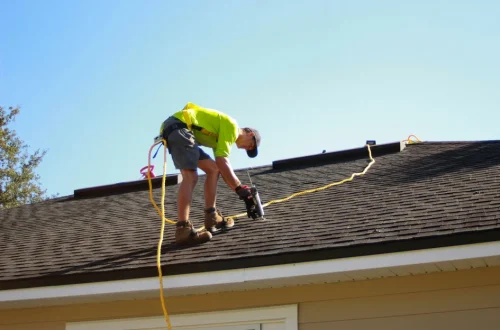
Specific scenarios often require immediate attention: a tree falling on a roof, causing a gaping hole; a vehicle impacting an exterior wall; or a significant water leak weakening a ceiling joist. In these cases, temporary repairs might involve tarping a damaged roof section, boarding up a breached wall, or installing temporary shoring to support a compromised floor or ceiling. These are not just quick fixes; they are strategic interventions designed to contain the immediate danger and preserve as much of the existing structure as possible until a comprehensive repair plan can be developed and executed by certified structural engineers.
Essential Tools and Materials for Quick Repairs
Having a well-stocked emergency repair kit can make all the difference when structural damage strikes unexpectedly. Key tools include heavy-duty tarpaulins, robust wood planks (2x4s, 4x4s) for shoring, various fasteners like screws and nails, a hammer, a drill, a pry bar, a utility knife, and protective gear such as gloves and safety glasses. Additionally, rolls of construction-grade plastic sheeting, duct tape, expanding foam sealant, and buckets are invaluable for controlling water intrusion and sealing openings temporarily. Always prioritize safety when gathering and using these materials.
Beyond basic hand tools, consider access to hydraulic jacks for lifting or temporary plywood sheeting. Specialized epoxy for concrete cracks or quick-setting hydraulic cement can offer a temporary seal for foundation issues. The effectiveness of temporary repair solutions for household structural damage hinges on having the right resources. For material guidance, FEMA’s disaster preparedness guides offer valuable insights.
Step-by-Step Guide for Specific Temporary Fixes
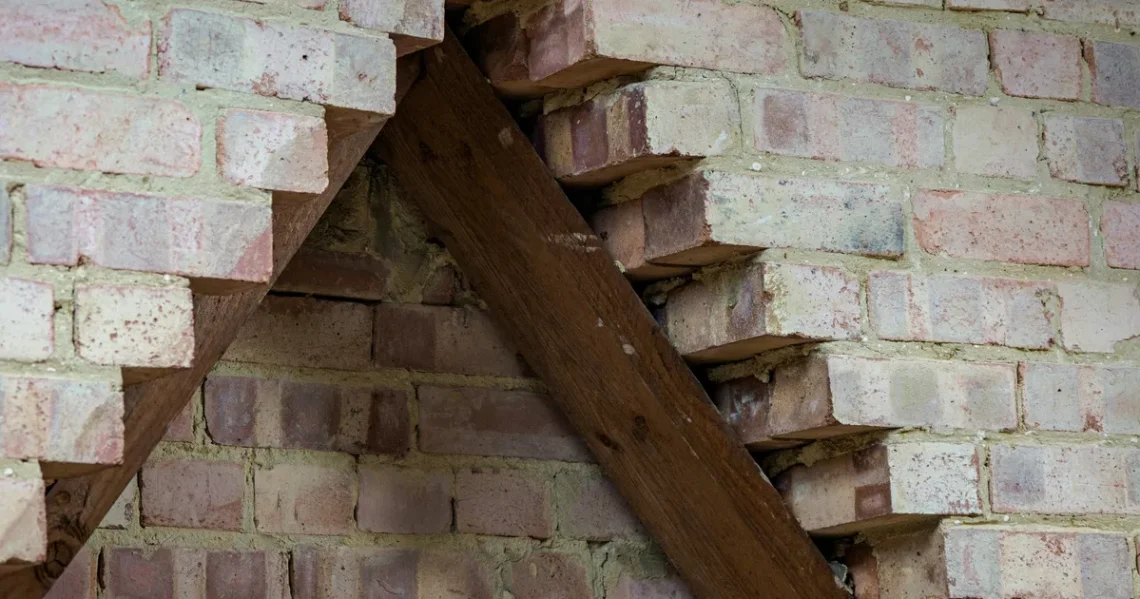
Addressing structural damage, even temporarily, requires a methodical, safe approach. For a compromised roof, cover the breach with a heavy-duty tarp, securing it tightly to prevent further water entry. For a sagging ceiling, install temporary shoring using vertical 4×4 posts braced against the floor and a horizontal 2×4 or 2×6 ledger board to distribute the load. Always ensure shoring is plumb and stable.
Bracing a Collapsed Ceiling Section
If a ceiling section has partially collapsed or is severely sagging, immediate bracing is essential. Clear debris and ensure no exposed electrical wires. Position a 4×4 post vertically from the floor to the ceiling joist, placing a 2×4 or 2×6 horizontally on top to spread the load. Use another 4×4 post to brace this member, ensuring it’s snug and stable. This provides crucial safety until professional assistance arrives.
When to Call a Professional for Structural Damage
While temporary repair solutions for household structural damage are critical, understanding limitations is key. Any damage involving load-bearing walls, foundations, or roof trusses typically requires immediate professional assessment. If you notice significant foundation shifts, large cracks, or hear loud noises suggesting imminent collapse, evacuate immediately and contact emergency services. Your safety is paramount.
Professionals possess expertise, equipment, and insurance to safely diagnose structural damage and implement permanent repairs. They identify hidden issues, ensure building code compliance, and prevent future problems. Attempting complex structural repairs yourself can lead to further damage, invalidate insurance claims, and pose serious safety risks. Always consult a reputable contractor or engineer, perhaps via NAHB’s builder directory, after your temporary fix.
Key Takeaways
- Temporary repairs are critical for immediate safety and preventing further damage after structural issues.
- Always prioritize personal safety and wear appropriate protective gear when assessing or performing temporary fixes.
- A well-stocked emergency kit with tarps, wood, and basic tools is invaluable for rapid response.
- Temporary solutions are not permanent; contact qualified professionals promptly for comprehensive assessment and lasting repairs.
Frequently Asked Questions
How quickly should I implement temporary structural repairs?
Implement temporary repairs as quickly as safely possible after identifying damage. Delays escalate damage, increase costs, and elevate safety risks. A breached roof should be tarped within hours to prevent extensive water damage to interior components, safeguarding your property effectively until experts arrive.
Are temporary structural repairs covered by homeowner’s insurance?
Often, temporary structural repairs to prevent further damage are covered by homeowner’s insurance if the initial damage was caused by a covered peril. Policies vary, so document everything with photos and contact your provider immediately to understand your specific coverage and claims process for incidents occurring in 2026.
Can I live in my home after performing temporary structural repairs?
Whether you can remain home depends on the damage’s severity and a structural engineer’s advice. If load-bearing elements are compromised, or risks of further collapse, electrical hazards, or gas leaks exist, immediate evacuation is necessary regardless of any temporary fixes.
What’s the difference between temporary and permanent structural repair?
Temporary repairs are immediate, non-invasive measures like bracing, designed to stabilize an area and prevent further damage until permanent solutions. Permanent repairs involve comprehensive, long-term solutions, requiring demolition, reconstruction, and specialized engineering to fully restore the building’s strength and safety, adhering to all codes.
Conclusion
Mastering temporary repair solutions for household structural damage is invaluable. These immediate, proactive steps safeguard your property, protect loved ones, and significantly reduce future repair complexity. While temporary fixes buy critical time, remember they are merely stopgap measures. Always engage qualified professionals for thorough assessment and lasting solutions. Stay informed, stay prepared, and empower yourself with the knowledge to respond confidently when your home needs you most. What temporary repair challenges have you faced?