Imagine this: a pipe bursts, the furnace sputters, or a storm rips a shingle, and suddenly your home feels vulnerable. In fact, a recent survey revealed that nearly 60% of homeowners experience at least one major unexpected repair each year. While professional home repair services are ultimately essential for lasting solutions, knowing how to implement effective interim solutions can prevent further damage, maintain safety, and provide critical peace of mind until expert help arrives. This guide empowers you with the knowledge to tackle common household emergencies with confidence, turning potential disasters into manageable inconveniences in 2026.
Quick Answer: When faced with a home emergency before professional help arrives, immediate interim solutions include shutting off water supply for leaks, cutting power to affected electrical circuits, applying temporary patches to roof or pipe damage, and securing structural weaknesses. These steps are crucial for safety and preventing further escalation until experts can provide permanent repairs.
Managing Water Leaks and Damage
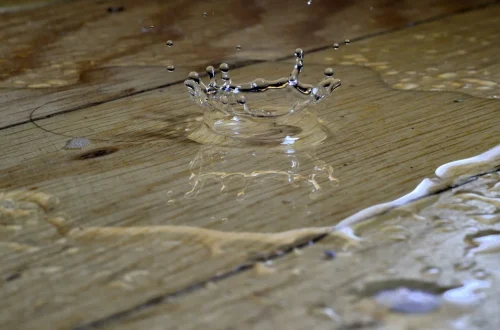
Water leaks, whether from a burst pipe, a leaking roof, or an overflowing appliance, demand immediate attention to prevent extensive and costly damage. Your first priority should always be to stop the water flow at its source. For plumbing issues, locate your main water shut-off valve, typically found near your water meter or where the main line enters your home, and turn it off clockwise. For individual fixtures, use the shut-off valves beneath sinks or behind toilets. This initial action is paramount in mitigating the immediate threat and protecting your property from widespread saturation.
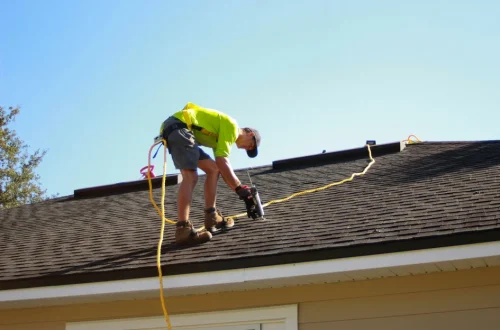
Once the water flow is controlled, you can focus on temporary containment and damage limitation. For a small pipe leak, a pipe repair clamp, rubber and hose clamps, or even a strong epoxy putty can provide a short-term seal. For roof leaks, a heavy-duty tarp secured over the damaged area with ropes or weights can prevent more water from entering your attic or living space during a storm. Always remember to place buckets or towels to catch any remaining drips, and begin drying out the affected area as soon as possible to deter mold growth.
Stopping a Pipe Leak Temporarily
Addressing a leaking pipe before a plumber arrives requires swift, decisive action to minimize water damage. First, identify the exact location of the leak. If it’s a small crack or pinhole, a temporary repair can often be made using specialized pipe repair tape, which is self-fusing and creates a watertight seal when wrapped tightly around the pipe. Alternatively, a two-part epoxy putty designed for plumbing can be molded around the leak and allowed to cure, providing a surprisingly durable interim patch. For slightly larger breaches, a rubber patch secured with hose clamps can bridge the gap, offering a more robust, albeit still temporary, fix.
Addressing Minor Electrical Issues
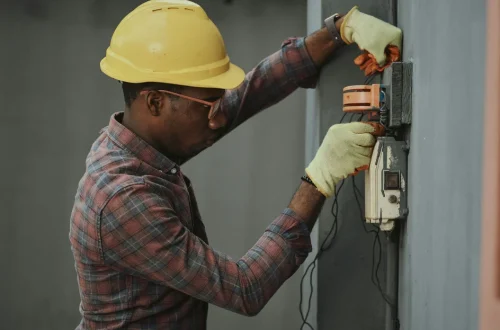
Electrical problems, even seemingly minor ones, always warrant extreme caution due to the inherent risks of shock and fire. If you experience a tripped circuit breaker, the first step is to unplug all appliances from the affected circuit. Then, go to your electrical panel and firmly flip the tripped breaker all the way to the “off” position before flipping it back to “on.” If it trips again immediately, it indicates a persistent issue, possibly an overloaded circuit or a fault, and you should leave it off and call a professional electrician. Never attempt to force a breaker that continues to trip.
For issues like flickering lights or non-responsive outlets, ensure all bulbs are screwed in tightly and test the outlet with a different appliance. If the problem persists, it could be a loose wire or a faulty outlet, which requires professional inspection. As an interim solution, ensure the area around the electrical panel is clear and that no extension cords are overloaded. Always remember that any work involving exposed wires or persistent electrical faults should only be handled by a licensed electrician to ensure safety and compliance with electrical codes, especially as homes evolve in 2026.
For more detailed safety guidelines, the National Fire Protection Association (NFPA) offers valuable resources on electrical safety in the home.
Stabilizing Structural Concerns
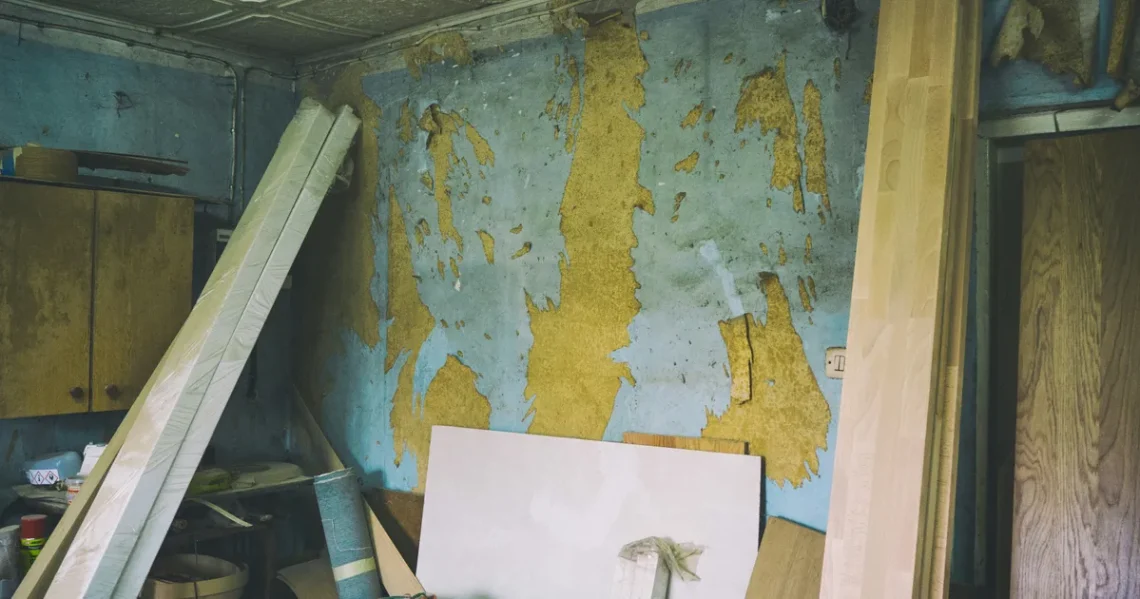
Structural damage, whether from severe weather, impact, or gradual wear, can compromise your home’s integrity and safety. For small holes in drywall or plaster, a temporary patch using mesh tape and spackle can prevent further crumbling and maintain a semblance of aesthetics until a professional can perform a proper repair. For exterior wall damage, such as a hole or crack, covering it with plywood or heavy-duty plastic sheeting, securely fastened, will protect against further water intrusion and pest entry.
In cases of a sagging ceiling or a visibly compromised floor joist, providing temporary support is critical to prevent collapse. Use sturdy lumber, such as 4×4 posts, cut to size and placed vertically with a flat base, to shore up the affected area. Distribute the load evenly and ensure the supports are stable. This is not a long-term fix, but it buys precious time and significantly reduces the risk of further damage or injury while you await professional assessment and repair. Always prioritize safety and avoid entering areas with severe structural compromise.
Addressing HVAC and Appliance Malfunctions
When your HVAC system or essential appliances unexpectedly fail, it can disrupt daily life significantly. For a non-starting furnace or air conditioner, first check the thermostat settings to ensure it’s on the correct mode and temperature. Next, inspect the circuit breaker for the unit; a tripped breaker is a common culprit. Ensure air filters are clean, as a clogged filter can restrict airflow and cause the system to shut down. These simple checks can often resolve minor issues, allowing you to maintain comfort until a technician is available.
For a refrigerator that stops cooling, immediately move perishable foods to a cooler with ice to prevent spoilage. Check if the power cord is securely plugged in and if the outlet has power (test with another small appliance). Clean the condenser coils, usually located at the back or bottom of the fridge, as dust and debris can hinder cooling efficiency. While these interim solutions won’t fix a compressor failure, they can sometimes restore function or at least buy you time to save your groceries and schedule professional appliance repair services.
Controlling Pest Infestations
Discovering pests in your home is never pleasant, but there are interim solutions to manage the problem before professional pest control arrives. The first step is to identify potential entry points. Seal cracks and crevices in foundations, around windows, and utility lines with caulk or steel wool. Ensure screens on windows and doors are intact and repair any holes. This physical barrier is crucial in preventing more pests from entering your home and can significantly reduce the existing population.
Beyond sealing entry points, maintaining strict hygiene is a powerful interim measure. Store food in airtight containers, promptly clean up crumbs and spills, and regularly empty trash cans. Set traps, such as snap traps for rodents or sticky traps for insects, in areas where you’ve seen activity. While these methods won’t eradicate a deeply rooted infestation, they will help control the immediate problem and make your home less attractive to pests, providing relief until professional exterminators can implement a comprehensive treatment plan.
Key Takeaways
- Prioritize safety: Always shut off water or electricity before attempting any interim fix.
- Act quickly: Immediate action can prevent minor issues from becoming major, costly repairs.
- Understand limitations: Interim solutions are temporary; always schedule professional home repair services for permanent fixes.
- Gather essential supplies: Keep basic tools, tape, tarps, and sealants on hand for emergencies.
Frequently Asked Questions
How long can interim solutions last for home repairs?
Interim solutions are designed to be temporary fixes, typically lasting from a few hours to a few weeks, depending on the severity of the problem and the materials used. They are intended to prevent further damage and ensure safety until professional home repair services can provide a permanent, code-compliant solution. It’s crucial not to rely on them indefinitely.
Are there any home repairs I should absolutely NOT attempt myself, even temporarily?
Yes, absolutely. Any significant electrical work beyond flipping a breaker, major gas line issues, structural repairs involving load-bearing walls, or complex plumbing beyond a simple leak patch should always be left to certified professionals. Attempting these yourself can lead to severe injury, fire, gas leaks, or catastrophic structural failure.
What supplies should every homeowner keep for emergency interim repairs?
Every homeowner should have a basic emergency kit including a multi-tool, flashlight, duct tape, electrical tape, pipe repair clamp or epoxy putty, heavy-duty tarp, strong rope, caulk, gloves, and a first-aid kit. Knowing where your main water shut-off valve and electrical panel are located is also essential for rapid response.
How can I find reliable professional home repair services quickly?
To find reliable professional home repair services, start by asking for recommendations from trusted friends, family, or neighbors. You can also check reputable online directories and review sites, looking for companies with strong ratings and positive feedback. Always ensure the professionals are licensed, insured, and can provide references before hiring them, especially for critical repairs in 2026.
Conclusion
Equipping yourself with the knowledge of interim solutions before professional home repair services arrive is an invaluable asset for any homeowner. From containing water leaks to stabilizing structural concerns, these temporary measures are your first line of defense against escalating damage and stress. Remember, these are not permanent fixes, but crucial steps to safeguard your home and family until expert help can provide lasting peace of mind. Be prepared, stay safe, and empower yourself to handle life’s unexpected household challenges.