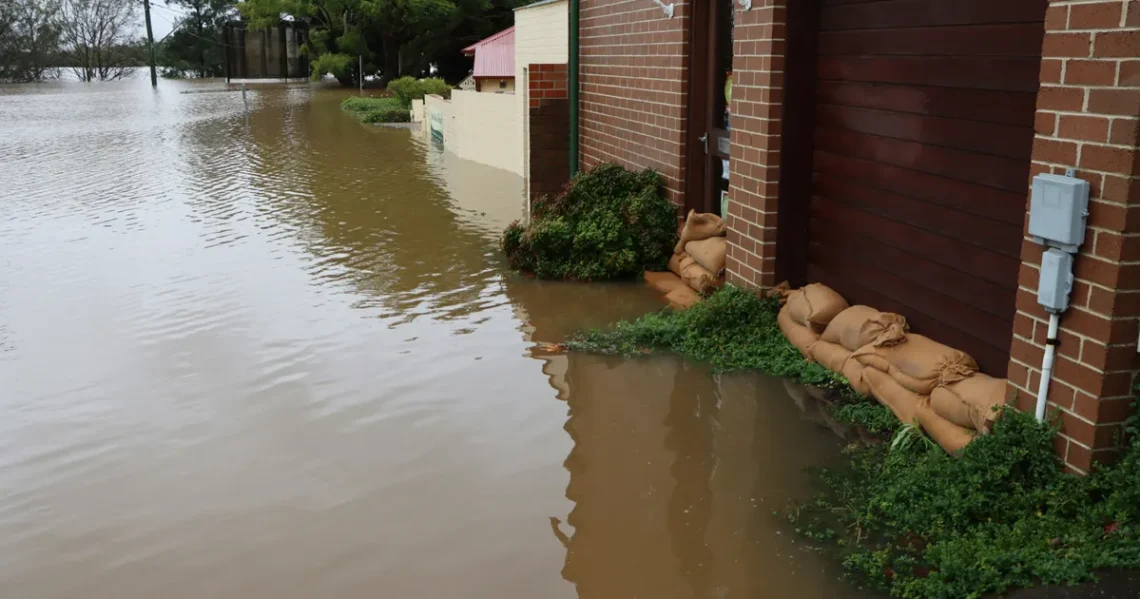
Flooding remains one of the most devastating natural disasters, causing billions in damages annually across the globe. When water invades your property, the clock immediately starts ticking. Understanding the comprehensive flood impact restoration process and immediate action steps is not just beneficial; it’s absolutely critical for minimizing damage, preventing long-term issues like mold, and ensuring a successful recovery. This guide cuts through the confusion, providing expert insights to help you navigate the aftermath of a flood, whether it’s a minor leak or extensive submersion, and safeguard your property and health.
Quick Answer: Flood Restoration Essentials
The immediate flood impact restoration process begins with ensuring safety and shutting off utilities. Swiftly extract water, then dry and dehumidify affected areas thoroughly using professional equipment. Next, clean, sanitize, and treat for mold prevention. Finally, repair structural damage, restore personal belongings, and meticulously document everything for insurance claims to achieve full property recovery.
Immediate Safety and Damage Assessment
The very first priority after a flood is ensuring the safety of everyone involved. Before re-entering a flooded building, confirm that local authorities have declared the area safe. Be acutely aware of potential hazards such as electrical shock from submerged outlets or appliances, gas leaks, and structural instability. Turn off electricity and gas at the main supply if it is safe to do so; never wade into standing water if the power is still on. Wearing appropriate personal protective equipment, including waterproof boots, gloves, and masks, is non-negotiable for protecting your health from contaminated water.
Once immediate dangers are mitigated, a rapid, yet careful, damage assessment is crucial. Begin documenting the flood’s impact extensively with photos and videos of all affected areas and items before any cleanup or removal starts. This visual evidence will be invaluable for your insurance claim. Contact your insurance provider as soon as possible to report the damage and understand your policy’s coverage for flood impact restoration. Simultaneously, reach out to professional water damage restoration specialists, as their prompt intervention can significantly reduce the overall damage and expedite the recovery process.
Rapid Water Extraction and Structural Drying
Speed is paramount in flood impact restoration. The longer water sits, the more pervasive the damage becomes, and the higher the risk of mold growth. Professional restoration teams utilize high-powered pumps and industrial-strength wet vacuums to quickly remove standing water from your property. This initial extraction phase is critical, as it removes the bulk of the moisture, preparing the area for the intricate drying process. Different types of water – clean, gray, or black – dictate the specific safety protocols and extraction methods required, with black water (sewage or floodwaters from rivers/oceans) posing severe health risks.
Following water extraction, structural drying is the next intensive phase. This involves deploying industrial-grade air movers to circulate air and powerful dehumidifiers to remove moisture from the air and building materials. The goal is to dry the structure and contents to pre-flood moisture levels, preventing secondary damage like warping, swelling, and microbial growth. Professionals use specialized moisture meters and thermal imaging cameras to accurately monitor moisture content in walls, floors, and ceilings, ensuring no hidden pockets of dampness remain. This meticulous approach is vital for a thorough restoration and preventing future issues.
Understanding Water Contamination Levels
Water damage is categorized into three types based on its contamination level, each requiring a specific approach for flood impact restoration. Category 1, or “clean water,” originates from a sanitary source, like a burst pipe, and poses no immediate health threat. Category 2, “gray water,” contains contaminants like laundry water or dishwasher overflows; it can cause illness if ingested. Category 3, “black water,” is grossly contaminated from sources like sewage, river overflows, or toilet backflows, and contains pathogenic agents requiring extreme caution and professional handling. Understanding these categories is essential for determining the appropriate safety measures and restoration techniques, as outlined by industry standards such as those from the Institute of Inspection, Cleaning and Restoration Certification (IICRC).
Thorough Cleaning, Sanitization, and Mold Prevention
After structural drying, the focus shifts to meticulous cleaning and sanitization. All affected surfaces, including floors, walls, and salvageable contents, must be thoroughly cleaned to remove dirt, debris, and any remaining contaminants. This process often involves specialized cleaning agents effective against bacteria, viruses, and fungi. Porous materials that have been saturated, especially with gray or black water, often need to be removed and disposed of, as they cannot be adequately sanitized. This includes drywall, insulation, carpeting, and padding, which act as perfect breeding grounds for microbes.
Mold prevention is an absolute cornerstone of the flood impact restoration process. Mold spores are ubiquitous and only need moisture, an organic food source, and appropriate temperatures to thrive, often appearing within 24-48 hours of water exposure. Professional restorers apply antimicrobial treatments to inhibit mold growth in areas susceptible to contamination. Maintaining consistent dehumidification and good ventilation throughout the drying and cleaning phases is also crucial. Failing to properly address potential mold issues can lead to persistent health problems and further structural damage, underscoring the importance of expert intervention for complete remediation.
Repairing Structural Damage and Reconstruction
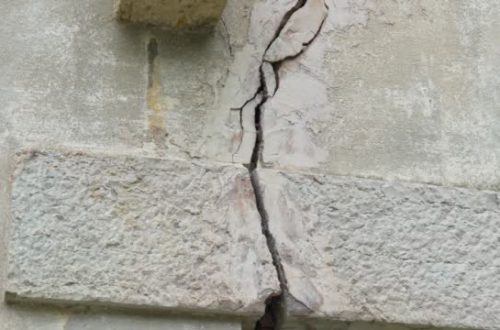
Once the property is completely dry, clean, and sanitized, the structural repair and reconstruction phase begins. This involves assessing the integrity of the building’s framework, including foundations, walls, and roofing, which may have been compromised by water saturation or shifting floodwaters. Damaged materials such as flooring, drywall, insulation, and cabinetry are removed and replaced. Depending on the extent of the damage, this stage can range from minor cosmetic repairs to a complete rebuild of certain sections of the property. Ensuring all repairs meet current building codes is vital for the safety and longevity of the structure.
The goal of reconstruction is to return your property to its pre-loss condition or even improve upon it, incorporating more resilient materials where possible. This is an opportune time to consider upgrades that might better protect your home against future water intrusion, perhaps with more flood-resistant flooring or elevated utilities. By 2026, many homeowners are seeking innovative solutions to enhance their property’s resilience. Expert restoration contractors coordinate all aspects of the rebuild, from carpentry and plumbing to electrical work and finishing touches, ensuring a seamless and high-quality restoration that stands the test of time.
Personal Property Recovery and Insurance Navigation
Beyond the structure itself, personal belongings often suffer significant flood damage. The recovery of personal property, known as contents restoration, is a specialized service that can salvage many items. Professionals assess, clean, sanitize, and dry salvageable items, including furniture, electronics, documents, and textiles, often using specialized techniques like freeze-drying for important papers or ozone treatments for odors. Items deemed unsalvageable are documented for insurance purposes. Creating a detailed inventory of all damaged and lost items, including their estimated value, is crucial for your claim.
Navigating the insurance claims process can be complex and stressful. Understanding your flood insurance policy, which is often separate from standard homeowner’s insurance, is key. Provide your insurer with all documentation, including photos, videos, and detailed lists of damaged property. Work closely with your insurance adjuster, providing any requested information promptly. Professional restoration companies often assist with this process, helping you understand your coverage and submit accurate claims. For additional resources on disaster recovery and insurance, the Federal Emergency Management Agency (FEMA) offers extensive guidance and support for affected homeowners.
Key Takeaways
- Act immediately after a flood by prioritizing safety, shutting off utilities, and documenting all damage extensively.
- Engage professional flood impact restoration experts for rapid water extraction, thorough drying, and mold prevention.
- Understand the three categories of water contamination to ensure appropriate and safe restoration procedures are followed.
- Meticulously clean, sanitize, and reconstruct damaged areas, while also focusing on salvaging personal property and navigating insurance claims effectively.
Frequently Asked Questions
How quickly should I act after a flood?
Immediate action is crucial. You should begin the initial safety checks and contact professionals within 24-48 hours of the flood event. This rapid response is vital to prevent secondary damage like mold growth, which can start within 24 hours in damp conditions, and to maximize the salvageability of your property.
Can I handle flood cleanup myself?
While minor clean water leaks might be manageable, extensive flood damage, especially from gray or black water, should always be handled by certified professionals. They have the specialized equipment, expertise, and safety protocols to ensure proper water extraction, drying, sanitization, and mold remediation, protecting both your property and health. DIY efforts often miss hidden moisture, leading to long-term issues.
How long does the restoration process take?
The duration of the flood impact restoration process varies significantly based on the severity of the flood, the type of water, and the size of the affected area. Initial water extraction and drying might take 3-5 days, but comprehensive cleaning, sanitization, and reconstruction can extend for several weeks or even months. Your restoration company can provide a more accurate timeline after their initial assessment.
What about mold if I didn’t dry properly?
Improper drying is the primary cause of mold growth after a flood. If areas remain damp, mold will almost certainly develop, leading to unpleasant odors, potential health issues, and further structural damage. If you suspect mold due to inadequate drying, it’s essential to contact a professional mold remediation specialist immediately to assess, contain, and safely remove the growth to prevent its spread.
Conclusion
Navigating the aftermath of a flood is undoubtedly challenging, but with a clear understanding of the flood impact restoration process and immediate action steps, you can significantly mitigate damage and accelerate your return to normalcy. Prioritizing safety, acting swiftly, and enlisting certified professionals are the cornerstones of a successful recovery. By proactively addressing water damage, embracing thorough cleaning, and meticulously planning reconstruction, your property can not only recover but also emerge more resilient for 2026 and beyond. Share your experiences or tips in the comments below – your insights could help others in their recovery journey!
- Home Repair Safety Tips Before Starting Any DIY Project
- Quick Fixes: Basic Emergency Home Repairs You Can Do Now
- Safe Entry Practices for Testing Air Quality in a Flooded Basement: A Safety Guide
- Home Repair Safety: Setting Up Your Secure Workspace
- How to Contain Roof Leaks During Heavy Rain: Emergency Strategies