Detecting a burning smell from electrical outlets is a serious red flag that demands immediate attention and understanding. Knowing how to identify burning smell from electrical outlets quickly can be the difference between a minor electrical issue and a dangerous house fire. This comprehensive guide will walk you through the tell-tale signs, underlying causes, and crucial steps to take when you encounter this alarming odor. From identifying subtle cues to understanding when professional intervention is absolutely necessary, we’ll equip you with the knowledge to safeguard your home and loved ones against potential electrical hazards, ensuring your electrical system remains safe and functional, especially with modern demands on household power grids in 2026.
Immediate Action Upon Detecting Odor
The moment you perceive a burning smell emanating from an electrical outlet, your priority must be safety. Do not ignore it, as this odor often signifies overheating electrical components, insulation, or wiring, which can escalate into an electrical fire. The very first step is to locate the source of the smell. Carefully and cautiously check nearby outlets, appliances, and light switches, but avoid touching any potentially hot or scorched areas directly. Your immediate response should be to unplug any devices connected to the suspected outlet or circuit, if it is safe to do so without coming into direct contact with the faulty outlet itself. If the smell persists or intensifies, proceed to the next critical safety measure.
Once you have unplugged appliances, the next crucial action is to cut off power to the affected circuit. Head directly to your home’s main electrical panel, typically located in a basement, garage, or utility closet. Identify the circuit breaker corresponding to the area where you detected the burning smell and switch it to the “OFF” position. If you are unsure which breaker controls the specific outlet, or if the panel isn’t clearly labeled, it is safer to switch off the main breaker to cut power to the entire house. This immediate power disconnection removes the energy source that is causing the overheating, significantly reducing the risk of fire. Do not attempt to use the outlet or any device on that circuit again until a qualified professional has inspected and repaired the issue.
Common Causes of Electrical Burning Smells
A burning smell from an electrical outlet is almost always indicative of excessive heat, often due to an electrical malfunction. One of the most common culprits is an overloaded circuit. When too many high-power appliances are plugged into a single outlet or circuit, it draws more current than the wiring or outlet can safely handle. This excess current generates heat, causing the insulation around the wires or the plastic components of the outlet itself to melt and emit a distinct burning odor. Older homes with outdated wiring systems are particularly susceptible to this issue, as their circuits were not designed for the electrical demands of modern appliances in 2026.
Another frequent cause is faulty wiring or loose connections within the outlet or junction box. Over time, connections can loosen due to vibrations, temperature changes, or improper installation. A loose wire creates increased resistance at the connection point, leading to localized overheating and the characteristic burning smell. Similarly, damaged or frayed wiring, perhaps from pest activity, age, or accidental piercing, can also short circuit or arc, generating intense heat. Internal damage to the outlet itself, such as a worn-out receptacle or a damaged spring contact, can also cause poor connections and subsequent overheating, making it vital to understand how to identify burning smell from electrical outlets effectively.
Lastly, defective or damaged appliances plugged into an outlet can also be the source of a burning smell. If an appliance’s internal wiring or components are faulty, it can draw excessive current or overheat, transferring that heat and the burning odor to the outlet it’s plugged into. While the outlet itself might not be the primary issue, it becomes a conduit for the problem. It’s essential to differentiate whether the smell originates from the outlet itself or from a connected device. If unplugging the appliance stops the smell, the appliance is likely the culprit; however, a professional inspection of the outlet is still recommended to ensure no residual damage occurred.
Visual and Auditory Clues Beyond Odor
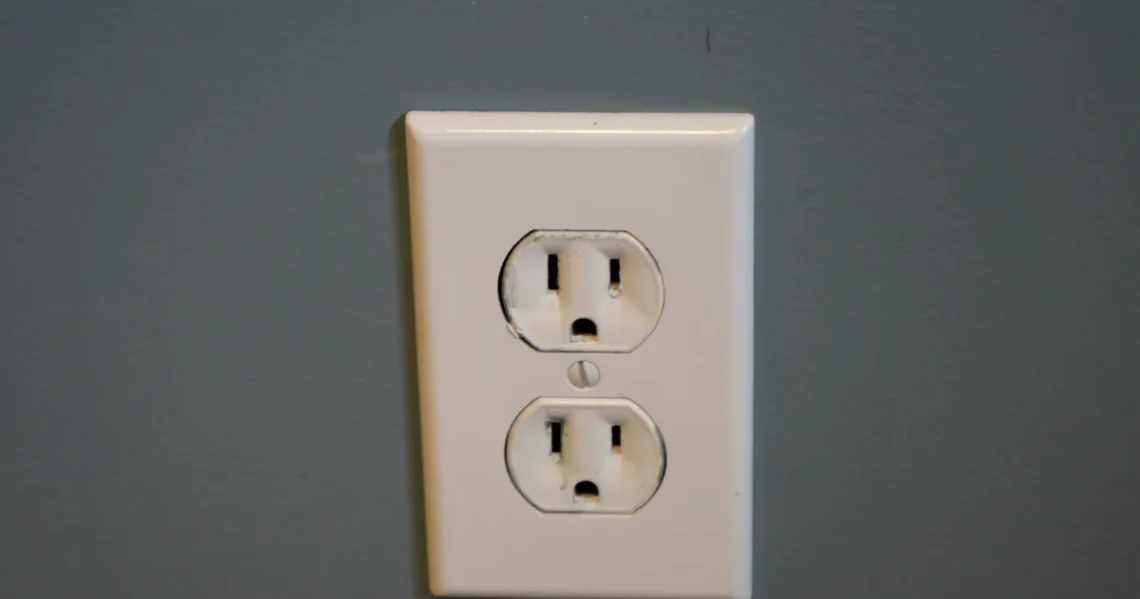
While a burning smell is the primary indicator, several other sensory clues can help you identify a problematic electrical outlet. Visually inspect the outlet cover and the wall plate for any signs of discoloration, scorching, or melting. A light brown or black mark around the receptacle openings or on the plastic cover is a clear sign of overheating. You might also notice a slight bulging or deformation of the plastic, indicating it has been subjected to excessive heat. If any wires are visible, check for frayed insulation or exposed copper. These visual cues confirm a serious electrical fault that requires immediate professional attention.
Beyond visual cues, listen carefully for any unusual sounds coming from the outlet or the wall. A buzzing, crackling, or hissing sound often accompanies arcing or sparking within the outlet or its wiring. These sounds are produced when electricity jumps across a gap or through a faulty connection, generating heat and potentially leading to a fire. Flickering lights, especially when an appliance is plugged into the suspected outlet or a nearby one, can also indicate an overloaded circuit or loose wiring connections. Pay attention to these auditory and visual signals, as they provide critical evidence of an electrical issue, complementing the burning odor and helping you pinpoint the problem more accurately.
The Dangers of DIY Electrical Repairs
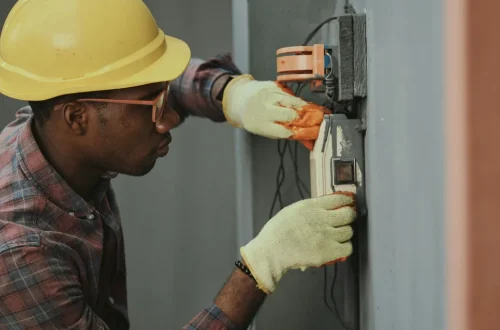
Attempting to fix electrical problems yourself without proper training and tools can be incredibly dangerous. Electrical work involves high voltages and intricate wiring, and even a small mistake can lead to severe electric shock, electrocution, or a devastating house fire. Incorrectly installed wiring or improperly repaired components can create new hazards, such as short circuits, overloaded circuits, or increased fire risk, often going unnoticed until it’s too late. The complexities of modern electrical systems, especially in homes that have undergone upgrades or additions, require a nuanced understanding that only a certified electrician possesses. Trusting professionals ensures the work meets safety codes and standards, protecting your property and family.
Understanding Circuit Breaker Behavior
Your home’s circuit breakers are vital safety devices designed to protect your electrical system from overcurrents and short circuits. If you frequently notice a specific circuit breaker tripping, especially when you plug in an appliance to an outlet that also emits a burning smell, it’s a strong indicator of an underlying issue. A tripping breaker means it’s doing its job by cutting off power to a circuit when it detects an unsafe electrical load or fault. While occasional trips can happen, consistent tripping points to either an overloaded circuit, a short circuit, or a ground fault, all of which generate excessive heat and contribute to the burning odor. Ignoring these warnings can lead to serious damage or fire.
It’s important to understand that resetting a tripped breaker without addressing the root cause is merely a temporary fix and can be dangerous. If the breaker continues to trip shortly after being reset, or if you can smell burning even after it trips, the problem is persistent and requires immediate professional intervention. The breaker is signaling a severe problem that it cannot resolve on its own. Attempting to force the breaker to stay on or repeatedly resetting it can damage the electrical system further and heighten the risk of an electrical fire. Always investigate the cause of a tripping breaker, especially when combined with a burning smell, and consult a qualified electrician for diagnosis and repair. The National Fire Protection Association (NFPA) offers valuable resources on electrical safety practices that homeowners should consult when encountering such issues: NFPA Electrical Safety.
When to Call a Professional Electrician
When you detect a burning smell from an electrical outlet, calling a professional electrician is almost always the safest and most prudent course of action. While some minor issues like a failing appliance can be resolved by simply unplugging it, the burning smell itself indicates that something has already overheated, potentially causing damage to the outlet, wiring, or surrounding structure. An electrician possesses the expertise to accurately diagnose the source of the problem, whether it’s an overloaded circuit, faulty wiring, a damaged outlet, or issues within the electrical panel. They can safely inspect the entire electrical system, identify hidden dangers, and perform necessary repairs or replacements according to current safety codes.
There are specific scenarios where professional help is non-negotiable. If you observe any scorching, melting, or smoke coming from an outlet, or if the circuit breaker repeatedly trips, do not hesitate to contact an electrician immediately. Furthermore, if the burning smell is strong, persistent, or accompanied by buzzing sounds or flickering lights, it indicates a severe electrical fault that could rapidly escalate. Even if you manage to cut power, a professional inspection is crucial to ensure that the underlying issue is fully resolved and that no residual damage poses a future risk. Investing in a professional assessment ensures your home’s electrical system is safe and compliant with 2026 safety standards, avoiding potentially catastrophic outcomes. For guidance on finding qualified professionals, resources like the Electrical Safety Foundation International (ESFI) can be helpful: ESFI.
Preventative Measures for Electrical Safety
Proactive electrical safety measures are crucial to prevent burning smells and other hazards. Regularly inspect your outlets, cords, and appliances for any signs of wear, damage, or discoloration. Replace old, frayed cords and avoid using damaged outlets. Ensure that all electrical work, including new installations or repairs, is performed by licensed and qualified electricians who adhere to local codes and safety standards. Never attempt to overload circuits by plugging too many high-wattage appliances into a single outlet or extension cord. Distribute electrical loads evenly across different circuits to prevent overheating and strain on your wiring system.
Consider upgrading outdated electrical systems, especially in older homes, to meet the demands of modern electrical appliances. Old wiring, fuse boxes, and two-prong outlets may not be equipped to handle contemporary power requirements, increasing the risk of overheating and fire. Install Arc Fault Circuit Interrupters (AFCIs) in your electrical panel, as these devices are designed to detect dangerous electrical arcs that conventional circuit breakers might miss, providing enhanced protection against electrical fires. Additionally, use surge protectors for sensitive electronics to prevent damage from power fluctuations. Educating yourself and your household members about basic electrical safety, including the proper use of extension cords and the dangers of tampering with electrical systems, is a key component of maintaining a safe home environment. The U.S. Consumer Product Safety Commission (CPSC) offers additional safety tips: CPSC Home Safety.
Key Takeaways
- A burning smell from electrical outlets is a critical warning sign of potential electrical fire.
- Immediately unplug devices and cut power to the affected circuit or entire house.
- Common causes include overloaded circuits, faulty wiring, loose connections, or damaged appliances.
- Look for visual cues like scorching or melting, and listen for buzzing or crackling sounds.
- Frequent circuit breaker tripping indicates a persistent electrical problem that needs attention.
- Always call a professional electrician for diagnosis and repair to ensure safety and compliance.
- Preventative measures like regular inspections, avoiding overloaded circuits, and system upgrades are essential.
Frequently Asked Questions
What does an electrical burning smell actually smell like?
An electrical burning smell is often described as a sharp, acrid odor, similar to burning plastic or rubber. It’s distinct from other household odors and indicates that electrical components, insulation, or wiring are overheating and melting.
Is it safe to keep using an outlet after I smell burning but the smell goes away?
No, it is not safe to keep using an outlet if you’ve ever detected a burning smell from it, even if the odor dissipates. The initial smell indicates that overheating has occurred, which may have caused internal damage to the outlet or wiring. Continued use could lead to further damage or a fire, so professional inspection is crucial.
Can a burning smell come from an outlet even if nothing is plugged into it?
Yes, a burning smell can originate from an outlet even if nothing is plugged in. This often points to issues within the outlet’s internal wiring, loose connections behind the wall, or a faulty component within the outlet itself that is overheating due to current flow, even without an external load.
How quickly should I react to a burning smell from an electrical outlet?
You should react immediately and with urgency. The moment you detect a burning smell, prioritize safety by unplugging devices and shutting off power to the circuit or main electrical supply. Electrical fires can escalate rapidly, so swift action is paramount.
What’s the difference between an overloaded circuit and a short circuit?
An overloaded circuit occurs when too many appliances draw more current than the circuit is designed to handle, leading to overheating. A short circuit happens when an unintended path for electricity is created, typically due to faulty wiring or insulation, causing a sudden surge of current and extreme heat, often leading to immediate breaker trips and potential arcing.
Conclusion
Understanding how to identify burning smell from electrical outlets is a critical aspect of home safety that no homeowner should overlook. This distinct odor is an unmistakable warning sign of an underlying electrical problem that could range from an overloaded circuit to severely damaged wiring, all posing a significant fire risk. Your immediate response—unplugging devices, cutting power, and contacting a certified electrician—is paramount in preventing potential disasters. Prioritizing regular electrical inspections, upgrading outdated systems, and adhering to safe electrical practices are essential preventative measures. By remaining vigilant and acting decisively when confronted with an electrical burning smell, you can effectively protect your home and ensure the long-term safety and integrity of your electrical system.