Unexpected wall damage can be a homeowner’s nightmare, creating immediate stress and potential for further complications. Fortunately, a range of effective temporary wall patch solutions for emergency situations exists to help you quickly mitigate damage, maintain your home’s integrity, and prevent minor issues from escalating into major expenses. Whether it’s a hole from moving furniture, a playful accident, or a sudden leak, knowing how to implement a fast, reliable temporary fix is an invaluable skill. This guide will walk you through the essential materials, techniques, and considerations for addressing urgent wall damage, ensuring you can tackle unexpected incidents with confidence and keep your living space safe and secure until a permanent repair can be arranged.
Understanding the Urgency of Wall Damage
Addressing wall damage promptly is not merely about aesthetics; it’s a critical step in preventing a host of more severe and costly problems. An open hole or crack in your wall can compromise your home’s insulation, leading to increased energy bills as conditioned air escapes and outside air infiltrates. Beyond energy efficiency, these openings serve as unwelcome entry points for pests, including insects and rodents, which can quickly establish nests within your walls, causing further damage and potential health hazards. Immediate action with temporary wall patch solutions for emergency situations is paramount to safeguarding your home’s structural integrity and interior environment.
Furthermore, delaying a temporary repair significantly increases the risk of the damage spreading. A small crack, if left unattended, can expand due to vibrations, temperature fluctuations, or accidental impacts, turning into a much larger and more complex repair job. In areas prone to moisture, even a minor opening can allow water vapor to penetrate, creating an ideal environment for mold and mildew growth behind the wall, which poses serious health risks and can lead to extensive structural deterioration. Quick intervention prevents these secondary issues, saving homeowners considerable time, money, and stress in the long run.
DIY Temporary Wall Patch Materials
When faced with sudden wall damage, the good news is that many effective temporary wall patch solutions can be fashioned from items you likely already have around the house or can quickly acquire. The goal of these materials is to provide a stable, protective barrier against further damage, drafts, and aesthetic disruption. Common household heroes include strong adhesive tapes such as duct tape or heavy-duty packing tape, which offer excellent adhesion and can hold loose fragments in place or seal small holes effectively. Cardboard from old boxes or rigid plastic containers can be cut to size, providing a sturdy backing for larger holes, while plastic sheeting or even thick garbage bags can serve as a moisture barrier if the damage is near a water source.
Household Items for Immediate Wall Repair
Delving deeper into readily available items, several common household products can be surprisingly effective for immediate wall repair. For very small punctures or nail holes, a dab of toothpaste, white glue mixed with toilet paper, or even a bar of soap can offer a quick, albeit very temporary, filler. For slightly larger holes, beyond the scope of tape alone, consider using crumpled newspaper, paper towels, or rags stuffed into the void to provide bulk, then covering with tape or a thin piece of cardboard. Aluminum foil, when carefully folded and secured, can also serve as a barrier. These creative fixes are designed purely for emergency containment, buying you precious time until a more robust temporary or permanent solution can be implemented.
Beyond basic household items, purpose-built temporary wall patch kits are an excellent investment for any homeowner’s emergency toolkit. These kits, readily available at hardware stores, typically include self-adhesive mesh patches, a small container of quick-drying spackling compound, and a miniature putty knife. Such kits are specifically designed for rapid deployment and ease of use, making them highly effective for addressing various types of wall damage, from small punctures to moderate-sized holes. Having one of these on hand ensures you’re prepared for unexpected incidents in 2026, offering a more refined temporary solution than basic household items alone.
Step-by-Step for Small Holes and Cracks
Repairing small holes and cracks in your wall temporarily is a straightforward process that requires minimal tools and materials. Begin by carefully inspecting the damaged area, ensuring there are no loose pieces of drywall or plaster that could compromise the patch. Use a utility knife or sandpaper to gently clean and smooth the edges of the hole, removing any jagged bits and creating a slightly beveled edge. This preparation step is crucial as it provides a clean, stable surface for the patch material to adhere to, significantly improving the longevity and effectiveness of your temporary fix. Ensure the area is completely dry before proceeding.
Once the area is prepped, select your patching material. For tiny nail holes, a small amount of spackling paste applied with a finger or putty knife, then smoothed flush with the wall, will suffice. For slightly larger holes (up to 2-3 inches), a self-adhesive mesh patch is ideal. Simply peel and stick the mesh over the hole, ensuring it covers the entire damaged area with about an inch of overlap on all sides. Next, apply a thin, even layer of quick-drying spackling compound over the mesh patch, extending slightly beyond its edges. Use a putty knife to smooth the compound, blending it seamlessly with the surrounding wall surface. Allow it to dry according to product instructions, which usually takes less than an hour, providing an excellent temporary wall patch solution for emergency situations.
Addressing Larger Holes and Structural Weakness
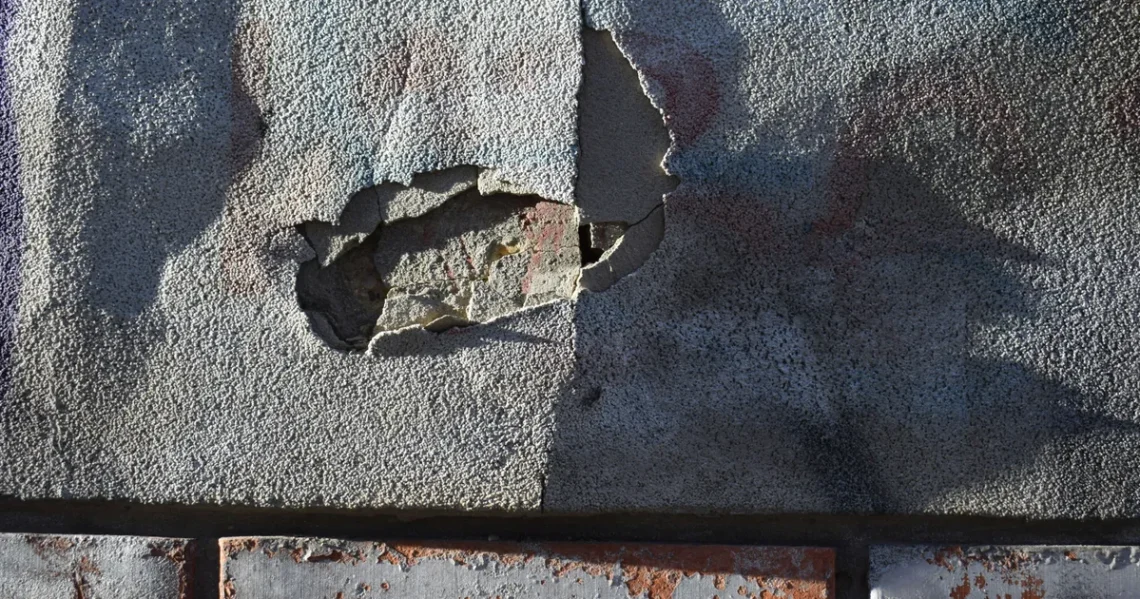
Larger holes, particularly those exceeding four inches in diameter, demand a more robust temporary wall patch solution than simple tape or spackle. The key to successfully patching a significant void is to create a stable backing that can support the patch material. Begin by trimming any severely damaged or protruding edges around the hole to create a cleaner opening. Then, cut a piece of rigid material—such as plywood, a sturdy plastic sheet, or even several layers of thick cardboard—that is slightly larger than the hole. This backing piece will be inserted into the wall cavity behind the opening. You can secure it by drilling small pilot holes through the backing and inserting screws that catch the back of the existing drywall, or by using string and a piece of wood to pull it flush from the front before securing it with adhesive tabs or tape.
Once your backing is securely in place, you can proceed with filling the void. For this, you can use a piece of salvaged drywall, rigid foam insulation, or multiple layers of thick cardboard cut to roughly fit the hole. Insert this filler material into the opening, ensuring it sits flush with the existing wall surface. Use strong adhesive tape, such as duct tape or fiberglass mesh tape, to secure the filler to both the backing and the perimeter of the existing wall. Apply multiple layers of tape, crisscrossing for maximum strength, to create a relatively smooth and stable surface. This method provides a strong temporary seal, preventing drafts and maintaining the wall’s integrity until a permanent repair can be undertaken by a professional. Consult resources from the National Association of Certified Home Inspectors for deeper insights into wall damage causes.
For walls experiencing significant structural weakness beyond just a hole, such as large cracks that extend from floor to ceiling or areas where the drywall feels soft due to water damage, the temporary patch must also provide some level of structural reinforcement. In these cases, consider using small wooden furring strips placed horizontally across the damaged area, secured with screws into the wall studs if accessible. These strips can then serve as anchor points for a larger piece of plywood or rigid foam, which is then taped over the entire affected area. While this is still a temporary measure, it significantly strengthens the compromised section, preventing further collapse or spreading of damage and buying crucial time for expert assessment. Always ensure any water source causing softness is addressed immediately to prevent mold, as advised by organizations like the Environmental Protection Agency.
Building Your Emergency Wall Repair Kit
Preparedness is key when it comes to unexpected home repairs, and having a dedicated emergency wall repair kit can significantly reduce stress and damage during an incident. Your kit should include a selection of strong adhesive tapes, such as a roll of heavy-duty duct tape and a roll of self-adhesive fiberglass mesh tape, which are invaluable for sealing and reinforcing. A small container of quick-drying spackling compound, along with a 2-inch putty knife, will handle most small hole and crack repairs. Essential cutting tools like a sharp utility knife are necessary for trimming loose drywall edges or cutting backing materials. Don’t forget a small block of fine-grit sandpaper for smoothing patched areas and a pair of work gloves to protect your hands.
Beyond these core items, consider adding a few extra components to enhance your kit’s versatility for temporary wall patch solutions for emergency situations. A few pieces of rigid cardboard or thin plastic sheeting can be pre-cut into various sizes to serve as quick backing for larger holes. A small flashlight can be useful for inspecting damaged areas in dimly lit spaces. Ensure all items are stored in a clearly labeled, easy-to-access container, such as a small toolbox or plastic bin, in a central location like a utility closet or garage. Periodically check the kit’s contents, especially the spackling compound, to ensure it hasn’t dried out and that everything is ready for immediate use, proving invaluable for any unexpected wall damage scenarios in 2026.
Knowing When to Seek Professional Help
While temporary wall patch solutions for emergency situations are incredibly useful for immediate containment, it’s crucial to recognize their limitations and understand when professional intervention is absolutely necessary. Any wall damage involving extensive water saturation, especially if it leads to swelling, discoloration, or a musty odor, indicates a serious underlying issue like a plumbing leak or roof compromise. Professionals can identify the source of the water, remediate mold growth, and replace damaged sections safely and effectively. Attempting to merely patch over water damage can conceal the problem, allowing mold to spread and structural integrity to further degrade, posing significant health and safety risks.
Furthermore, if wall damage exposes electrical wiring, gas lines, or is accompanied by signs of structural instability such as bowing walls, large cracks extending from the ceiling or floor, or sagging ceilings, immediately cease any DIY attempts and contact qualified professionals. Electrical hazards are extremely dangerous and should never be approached by untrained individuals. Structural issues often indicate foundational problems or severe load-bearing compromises that require expert assessment and specialized repairs. While a quick patch can prevent immediate drafts or pest entry, it cannot address the root cause of these severe problems, making professional assessment essential for the safety and long-term stability of your home.
Key Takeaways
- Act immediately to apply a temporary wall patch to prevent further damage.
- Many common household items like tape, cardboard, and spackle can serve as effective temporary fixes.
- Different approaches are needed for small holes versus larger, more complex wall damage.
- Assemble a dedicated emergency wall repair kit with essential tools and materials for preparedness.
- Temporary patches are not permanent solutions; always plan for professional repair for severe or underlying issues.
- Understanding basic temporary repair techniques empowers homeowners to mitigate risks and maintain home integrity.
Frequently Asked Questions
How quickly should I apply a temporary wall patch after noticing damage?
You should apply a temporary wall patch as quickly as possible, ideally within hours of noticing the damage. Immediate action helps prevent the damage from worsening, keeps out pests, minimizes energy loss, and can stop moisture from entering the wall cavity, which prevents mold growth.
Can duct tape really fix a wall temporarily?
Yes, duct tape is surprisingly effective for temporary wall patch solutions for emergency situations, especially for small holes, cracks, or securing loose fragments. Its strong adhesive and durability make it a reliable short-term fix to seal openings and provide a barrier until a more permanent repair can be made.
What’s the best temporary patch for a large hole in drywall?
For large holes, the best temporary patch involves creating a stable backing (using plywood, rigid plastic, or thick cardboard secured from behind the wall) and then filling the void with a sturdy material like another piece of drywall, rigid foam, or multiple layers of cardboard, all secured with strong adhesive tape.
How long do temporary wall patches typically last?
Temporary wall patches are designed to last anywhere from a few days to several months, depending on the materials used, the extent of the damage, and environmental factors. They are not permanent solutions and should always be followed up with a professional, lasting repair to ensure durability and aesthetic appeal.
Are there specific kits available for emergency wall repair?
Yes, many hardware stores and home improvement centers sell emergency wall repair kits. These often include self-adhesive mesh patches, quick-drying spackling compound, and a small putty knife, providing a convenient and effective solution for various types of wall damage.
Conclusion
Navigating unexpected wall damage can be daunting, but with the right knowledge and tools, implementing effective temporary wall patch solutions for emergency situations is entirely achievable. From the immediate sealing power of duct tape to the more structured approach for larger holes, these rapid fixes are crucial for safeguarding your home against further damage, unwelcome pests, and energy loss. By understanding which materials to use, following simple step-by-step guides, and having a well-stocked emergency repair kit, you empower yourself to tackle common household mishaps with confidence. Remember, while these temporary measures provide invaluable immediate relief, they are stepping stones to permanent repairs, ensuring your home remains a secure, comfortable, and well-maintained space for years to come.
- Quick Fix: Temporary Attic Reinforcement After Storm Damage
- Emergency Toilet Overflow: Cleanup & Prevention Guide
- Quick Fixes: Basic Emergency Home Repairs You Can Do Now
- Emergency Exterior Wall Stabilization: Immediate Solutions to Prevent Collapse
- How to Prevent Hidden Mold After Water Intrusion: A Complete Guide