
Did you know that estimates suggest mold affects over 70% of homes at some point, often leading to costly repairs and potential health issues? Effectively implementing moisture control strategies to prevent mold development is not just about maintaining your property’s value; it’s crucial for the health and safety of its occupants. Mold thrives in damp conditions, and understanding how to manage humidity, address leaks, and ensure proper ventilation can make all the difference. This comprehensive guide will equip you with the expert knowledge to safeguard your home against this pervasive problem, ensuring a healthier living environment for years to come, well into 2026 and beyond.
Quick Answer: Preventing mold development primarily involves vigilant moisture control. Key strategies include maintaining indoor relative humidity between 30-50%, ensuring proper ventilation in high-moisture areas, promptly repairing all leaks, improving exterior drainage, and using dehumidifiers in damp spaces like basements or crawl spaces. Regular inspections and swift action against any water intrusion are paramount.
Understanding the Enemy: How Mold Thrives
Mold isn’t just unsightly; it’s a living organism that plays a vital role in nature by breaking down organic matter. Inside your home, however, it becomes an unwelcome guest. All mold needs to grow is moisture, a food source (which can be almost any organic material like wood, drywall, carpet, or dust), and a suitable temperature. Without adequate moisture control strategies to prevent mold development, even minor leaks or high humidity can quickly turn into a significant infestation, often hidden behind walls or under flooring.
The presence of mold can have severe implications for both your property and your health. Structurally, it can weaken building materials over time, leading to deterioration and expensive repairs. From a health perspective, mold spores can trigger allergic reactions, asthma attacks, and respiratory problems in sensitive individuals. Long-term exposure may lead to more chronic conditions. Therefore, understanding its growth conditions is the first step in effective prevention, protecting your investment and your family’s well-being.
Proactive Interior Humidity Management
One of the most effective moisture control strategies to prevent mold development involves diligently managing indoor humidity levels. The ideal indoor relative humidity should consistently remain between 30% and 50%. Investing in a hygrometer, an inexpensive device available at most hardware stores, allows you to monitor these levels accurately. If humidity consistently exceeds 50-60%, especially during warmer months or in damp climates, a dehumidifier becomes an invaluable tool to extract excess moisture from the air, particularly in basements or poorly ventilated rooms.
Beyond mechanical devices, daily habits significantly impact indoor humidity. Always use exhaust fans in bathrooms during showers and for at least 30 minutes afterward to vent steam outside. Similarly, run kitchen exhaust fans when cooking, boiling water, or using the dishwasher. Avoid drying clothes indoors on racks if possible, as this releases substantial moisture into the air. Ensuring your home’s HVAC system is properly sized and maintained can also help regulate humidity, often preventing the need for standalone dehumidifiers in primary living spaces. For more detailed guidance, consider consulting resources like the EPA’s mold resources.
Securing the Building Envelope from Water
Protecting your home from external water intrusion is fundamental to any comprehensive mold prevention plan. Start by inspecting your roof for damaged or missing shingles, ensuring gutters are clean and free-flowing, and that downspouts extend at least six feet away from your foundation. Proper grading around your home is also critical; the ground should slope away from the foundation by at least six inches over the first ten feet, directing rainwater safely away rather than allowing it to pool and seep into the soil adjacent to your home.
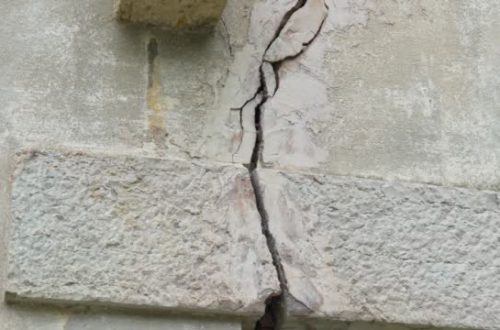
The foundation and basement are particularly vulnerable areas for moisture intrusion. Cracks in the foundation walls, hydrostatic pressure, or poor drainage can all lead to leaks and chronic dampness. Implementing robust waterproofing solutions, such as exterior drainage systems, interior perimeter drains, or even applying sealant coatings, forms a crucial barrier. For homes with crawl spaces, encapsulation—sealing the crawl space with a heavy-duty vapor barrier—is an increasingly popular and effective strategy to dramatically reduce moisture entry and prevent mold growth in this often-overlooked area.
Addressing Foundation and Crawl Space Moisture
Tackling moisture issues at the foundation and crawl space level requires specific attention. For basements, installing a sump pump system can effectively manage groundwater intrusion, especially in areas prone to heavy rainfall or high water tables. In crawl spaces, a high-quality vapor barrier laid across the floor and extending up the walls, sealed at the seams, prevents ground moisture from evaporating into the air. Additionally, ensuring proper ventilation within the crawl space, sometimes aided by specialized fans, can prevent humidity from accumulating, creating a hostile environment for mold development. These measures are particularly vital for maintaining good indoor air quality throughout the entire home.
Effective Ventilation and Air Circulation
Stagnant, humid air is a prime breeding ground for mold, making effective ventilation a cornerstone of any moisture control strategy. Beyond targeted exhaust fans in bathrooms and kitchens, consider whole-house ventilation solutions. Balanced ventilation systems, which bring in fresh air while exhausting stale air, can significantly improve indoor air quality and help maintain consistent humidity levels throughout your home. Even simply opening windows and doors regularly on dry days can create beneficial cross-ventilation, flushing out stale, moist air.
Ensuring good air circulation within rooms also helps prevent moisture buildup in corners or behind furniture. Keep interior doors open when possible, especially between rooms with varying temperatures or humidity levels. Avoid overpacking closets or blocking air vents, which can create pockets of stagnant, humid air. In areas like laundry rooms or utility closets, consider adding small fans or louvered doors to promote air movement. These simple yet effective measures contribute substantially to an environment where mold struggles to take hold.
Vigilant Monitoring and Swift Action
Even with the best preventative measures, vigilance remains key. Regularly inspect your home for any signs of water damage, leaks, or dampness. Check under sinks, around toilets, and near appliances like dishwashers and washing machines for small drips or condensation. Pay attention to musty odors, which are often the first indication of hidden mold growth. Addressing leaks immediately, within 24-48 hours, is critical, as this is the window before mold spores typically begin to germinate and colonize a wet surface. For guidance on water damage cleanup, refer to resources from reputable organizations like the CDC.
If you discover mold growth, assess its size and location. Small areas (under 10 square feet) can often be managed with personal protective equipment and appropriate cleaning agents. However, for larger infestations, persistent musty odors without visible mold, or mold growth following significant water damage, it’s always best to consult a professional mold remediation specialist. Their expertise ensures the mold is safely and thoroughly removed, and the underlying moisture issue is correctly identified and resolved, preventing recurrence in 2026 and beyond.
Key Takeaways
- Maintain indoor relative humidity between 30% and 50% using hygrometers and dehumidifiers.
- Ensure proper exterior drainage and waterproof foundations to prevent water intrusion.
- Utilize exhaust fans in bathrooms and kitchens, and promote general air circulation.
- Promptly address all leaks and water damage within 24-48 hours to inhibit mold growth.
Frequently Asked Questions
What is the ideal indoor humidity level to prevent mold?
The ideal indoor relative humidity level to prevent mold growth, while also being comfortable for occupants, is generally between 30% and 50%. Consistently exceeding 60% relative humidity provides an optimal environment for mold to thrive.
Can simply painting over mold solve the problem?
No, painting over mold is a temporary cosmetic fix and does not solve the underlying issue. Mold will continue to grow beneath the paint. It’s crucial to remove the mold completely and address the moisture source before repainting.
How quickly can mold start to grow after water damage?
Mold spores can begin to germinate and grow on wet surfaces within 24 to 48 hours of water exposure. This emphasizes the critical importance of immediate drying and moisture removal after any water intrusion event.
When should I call a professional for mold remediation?
You should call a professional for mold remediation if the mold covers an area larger than 10 square feet, if you suspect hidden mold behind walls, if you have health concerns related to mold, or if the mold growth is due to contaminated water (e.g., sewage).
Conclusion
Mastering moisture control strategies to prevent mold development is an ongoing commitment, but one that significantly contributes to a healthier, safer, and more valuable home. By understanding mold’s requirements, proactively managing interior humidity, securing your home’s exterior, ensuring adequate ventilation, and remaining vigilant against water intrusion, you can effectively create an environment where mold cannot thrive. Implementing these expert-backed strategies today will safeguard your property and well-being for the long term. What are your biggest moisture control challenges at home? Share your thoughts and tips in the comments below!