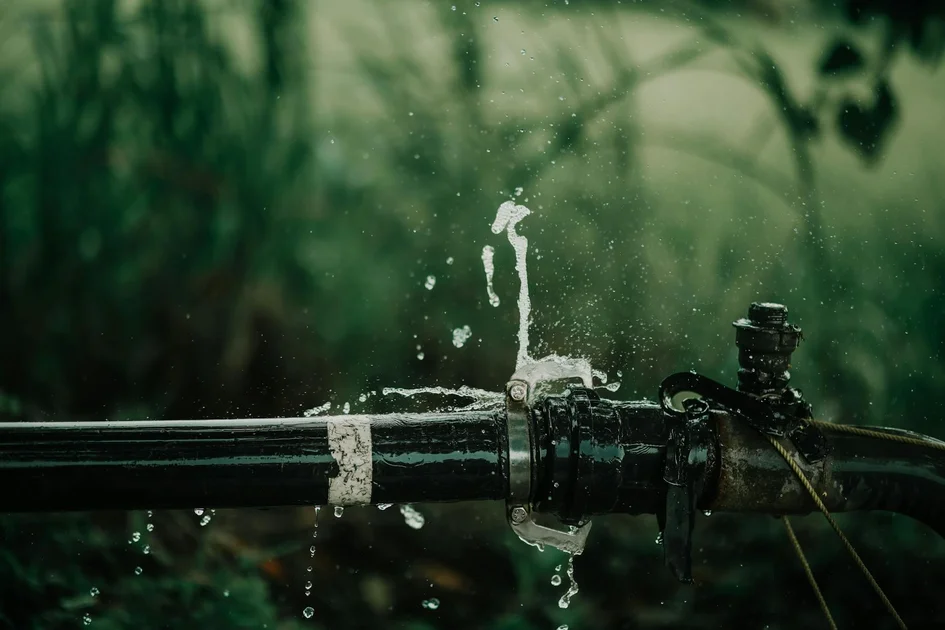
Emergency plumbing solutions for burst water pipes have evolved significantly in 2026, shifting from reactive, chaotic manual repairs to high-tech, sensor-driven mitigation strategies. When a pipe ruptures, the immediate panic of flooding often obscures the reality that structural damage occurs within minutes, not hours. Investigative research reveals that most residential water damage claims could be avoided if homeowners understood the interplay between aging infrastructure and modern pressure-regulation technology. As we navigate the infrastructure challenges of 2026, the plumbing industry has transitioned toward proactive monitoring systems that act as a digital sentinel against catastrophic leaks. Understanding the mechanics of these emergency interventions is no longer just for professionals; it is a vital skill for every property owner looking to preserve their investment against the silent, persistent threat of water intrusion.
The Anatomy of a Pipe Failure
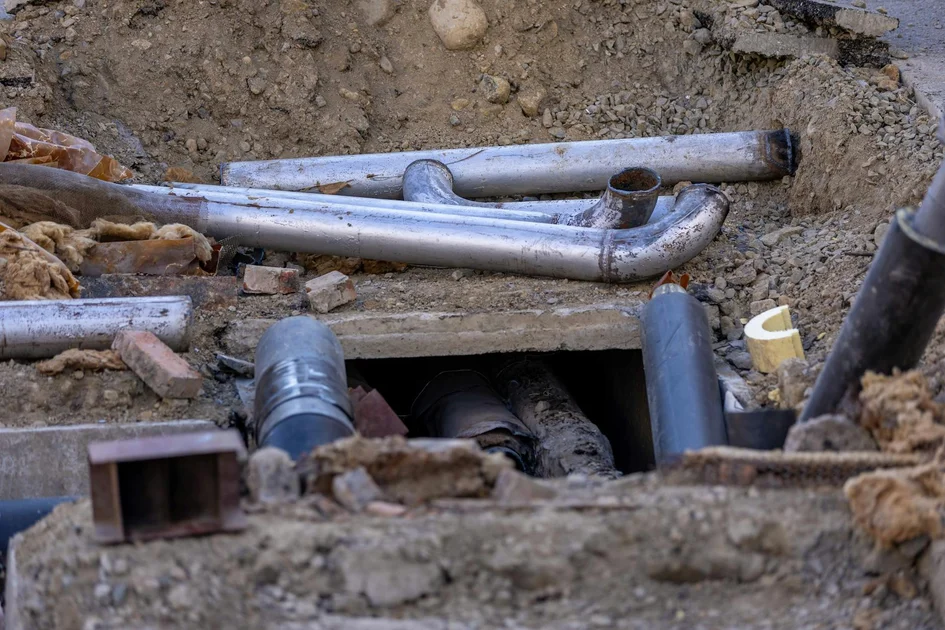
The primary driver behind most residential water disasters is not just age, but the subtle, invisible buildup of mineral deposits and micro-corrosion that weakens pipe walls from the inside out. In 2026, diagnostic tools have become far more sophisticated, allowing plumbers to identify stress points before they reach the breaking point. Professionals often utilize acoustic leak detection and thermal imaging to map out hidden vulnerabilities within walls and foundation slabs. By analyzing the flow dynamics, experts can differentiate between a minor pinhole leak and a structural fracture that is poised to fail under the slightest pressure surge.
Behind the scenes, the insurance industry has been quietly pushing for the adoption of smart shut-off valves. These devices are the new gold standard for emergency plumbing solutions for burst water pipes, as they automatically sever the main water line the moment an anomaly is detected. When a pipe bursts, the pressure drop triggers a digital sensor, effectively stopping the flow before the basement becomes a reservoir. This technological shift represents a major departure from the traditional model of waiting for a manual intervention, proving that the most effective way to handle an emergency is to prevent it from escalating into a flood.
Comparison Table of Repair Methods
| Method | Speed of Fix | Longevity | Best Use Case |
|---|---|---|---|
| Epoxy Lining | Moderate | High | Restoring aging internal pipes |
| Compression Clamps | Immediate | Temporary | Stopgap for pinhole leaks |
| PEX Re-piping | Slow | Lifetime | Permanent infrastructure upgrade |
| Smart Shut-off | Instant | High | Prevention and damage control |
| Traditional Sweating | Moderate | High | Copper joint repair |
Pros and Cons Analysis
Evaluating emergency plumbing solutions for burst water pipes requires a clear-eyed look at the trade-offs between speed, cost, and durability. The primary advantage of modern, temporary fixes like industrial-grade epoxy putty or compression clamps is the immediate cessation of water loss, which saves thousands of dollars in restoration costs. These methods serve as a critical bridge until a master plumber can perform a permanent, code-compliant repair. However, the drawback is the “band-aid” nature of these solutions; relying on them for too long can lead to a false sense of security, masking the underlying degradation of the piping material that will inevitably fail elsewhere.
Conversely, permanent solutions such as whole-house PEX re-piping offer total peace of mind but come with significant upfront costs and logistical disruption. While the long-term ROI is undeniable, many homeowners are deterred by the invasive nature of tearing into drywall and flooring. The professional consensus in 2026 is a balanced approach: utilize smart sensors to mitigate immediate risk while budgeting for a phased replacement of failing metal pipes. This hybrid strategy avoids the catastrophic impact of a burst while allowing for financial planning, ensuring that the property remains protected without the sudden, crushing burden of emergency restoration expenses.
The Role of Smart Sensors
The integration of IoT (Internet of Things) devices into the home plumbing ecosystem has fundamentally changed the landscape of emergency response. These devices communicate via encrypted channels to provide real-time updates on water pressure and flow rates directly to a smartphone app. For those interested in the technical specifications of these systems, the National Institute of Standards and Technology provides extensive data on how pressure fluctuations impact material fatigue. By monitoring these fluctuations, homeowners can identify high-risk periods when their pipes are most susceptible to bursting, such as during extreme temperature shifts.
Advanced Monitoring Techniques
Beyond basic sensors, flow-based monitoring algorithms have become the industry standard for identifying “micro-leaks.” These systems learn the unique water usage patterns of a household and can distinguish between a running faucet and a hidden pipe fracture. When a discrepancy occurs, the system logs the incident, notifies the homeowner, and can even dispatch a service request to a local plumber automatically. This level of automation is reducing the average water damage claim by nearly sixty percent in 2026, marking a significant victory for preventative plumbing technology in the modern era.
Professional Mitigation Standards
When a pipe actually bursts, the steps taken in the first thirty minutes determine the extent of the total damage. Professional emergency teams now follow standardized protocols that prioritize safety and containment above all else. The first step is always the isolation of the water supply, followed by a rapid assessment of electrical hazards. In 2026, certified plumbing contractors are required to use specialized dehumidification equipment to prevent mold growth, which is a common secondary consequence of a burst pipe. Ignoring these cleanup standards can lead to long-term structural instability and health hazards that go well beyond the initial plumbing failure.
Furthermore, the documentation of these repairs is essential for insurance purposes. Professional plumbers now provide digital reports that include photos of the failure point, the repair method used, and pressure test results conducted after the fix. This documentation acts as a legal record, protecting the homeowner during potential insurance disputes. It is highly recommended to consult the Plumbing-Heating-Cooling Contractors Association to find verified professionals who adhere to these rigorous standards. By insisting on high-quality, documented work, property owners ensure that their home remains insurable and safe for years to come.
Future of Plumbing Infrastructure
Looking toward the late 2020s, we are seeing a shift toward materials that are inherently resistant to the chemical reactions that cause pipes to burst. Cross-linked polyethylene, or PEX, has largely replaced copper and galvanized steel in new construction, offering superior flexibility and resistance to freezing. This material science breakthrough has fundamentally lowered the risk of emergency failures in new builds, but millions of older homes still rely on legacy materials. Retrofitting these older systems is the single most effective way to address the systemic issue of water damage in our aging infrastructure.
As urban density increases, the demand for reliable emergency plumbing services has prompted the development of predictive maintenance platforms. These platforms use historical data and local climate information to forecast the likelihood of pipe failures across entire neighborhoods. By coordinating these efforts, cities can improve municipal water management, reducing pressure surges that often lead to residential failures. The future of plumbing is not just about fixing what is broken, but about creating an intelligent, self-regulating infrastructure that anticipates problems before they manifest as costly, destructive emergencies.
Key Takeaways
- Immediate water shut-off is the single most important action to prevent massive property damage.
- Smart leak detection systems are now standard for high-risk, aging infrastructure.
- Permanent PEX re-piping is the most effective long-term defense against future bursts.
- Professional documentation is vital for insurance claims and maintaining home value.
- Preventative maintenance, such as pressure testing, should be performed every three years.
- Always verify the credentials of emergency plumbers through accredited national associations.
Frequently Asked Questions
How quickly does a burst pipe cause permanent damage?
Structural damage can begin within minutes, as water saturates porous materials like drywall, carpet, and wood, creating an ideal environment for mold within twenty-four hours.
Can I temporarily patch a pipe myself?
Yes, temporary fixes like epoxy putty or pipe repair tape can stop a leak, but these should only be used as a stopgap measure until a permanent, professional repair is completed.
Do smart shut-off valves really work?
Yes, in 2026, these valves are highly effective, utilizing advanced flow-sensing technology to detect and stop leaks within seconds of a pressure anomaly.
How often should I have my plumbing inspected?
It is recommended to have a professional plumbing inspection every three to five years, or immediately if you notice drops in pressure or signs of moisture near walls.
Will my insurance cover a burst pipe?
Most standard homeowners’ insurance policies cover sudden and accidental water damage, but they typically exclude damage caused by long-term neglect or lack of maintenance.
Conclusion
Dealing with a burst water pipe is a stressful experience, yet the tools and strategies available in 2026 offer a clear path toward resolution and prevention. By combining advanced sensor technology with professional, code-compliant repairs, homeowners can effectively shield their properties from the devastating impact of water intrusion. It is essential to remain proactive, treating plumbing infrastructure as a dynamic system that requires regular attention rather than a passive utility. Through informed choices and expert intervention, you can ensure that your home remains a safe, dry, and protected environment for years to come.
- Water Damage Restoration Tips for Protecting Your Property
- How to Stabilize Ceiling Damage: Essential Techniques for Residential Buildings
- Home Repair Safety: Setting Up Your Secure Workspace
- Quick Fix: Temporary Attic Reinforcement After Storm Damage
- How to Temporarily Fix a Shower Pipe Leak (No Replacement Required)