Experiencing a loose or sagging cabinet door can be incredibly frustrating, especially when it’s an emergency and you need a quick fix. Fortunately, tackling DIY emergency cabinet hinge repair at home is often simpler than you might imagine, saving you time and money. This comprehensive guide will walk you through common hinge problems, essential tools, and step-by-step solutions to restore stability to your cabinets. Whether you’re dealing with stripped screw holes, misaligned doors, or completely detached hinges, understanding these basic repair techniques empowers you to handle unexpected home maintenance issues with confidence. We’ll cover everything from tightening loose screws to reinforcing damaged wood, ensuring your cabinet doors function perfectly once more. Get ready to transform your wobbly cabinets into sturdy, reliable fixtures using straightforward methods you can implement right away.
Identifying Common Cabinet Hinge Issues
Before diving into repairs, it’s crucial to accurately diagnose the problem affecting your cabinet hinges. The most frequent issues include loose screws, which cause doors to sag or become misaligned, and stripped screw holes where the screws no longer grip the wood. You might also notice a grinding noise when opening or closing the door, indicating friction or a bent hinge plate. Over time, constant use can lead to metal fatigue in the hinge itself, causing it to bend or crack, particularly in high-traffic areas like kitchen cabinets. Understanding the specific type of damage will guide you towards the most effective and lasting repair strategy, preventing further deterioration of your cabinetry.
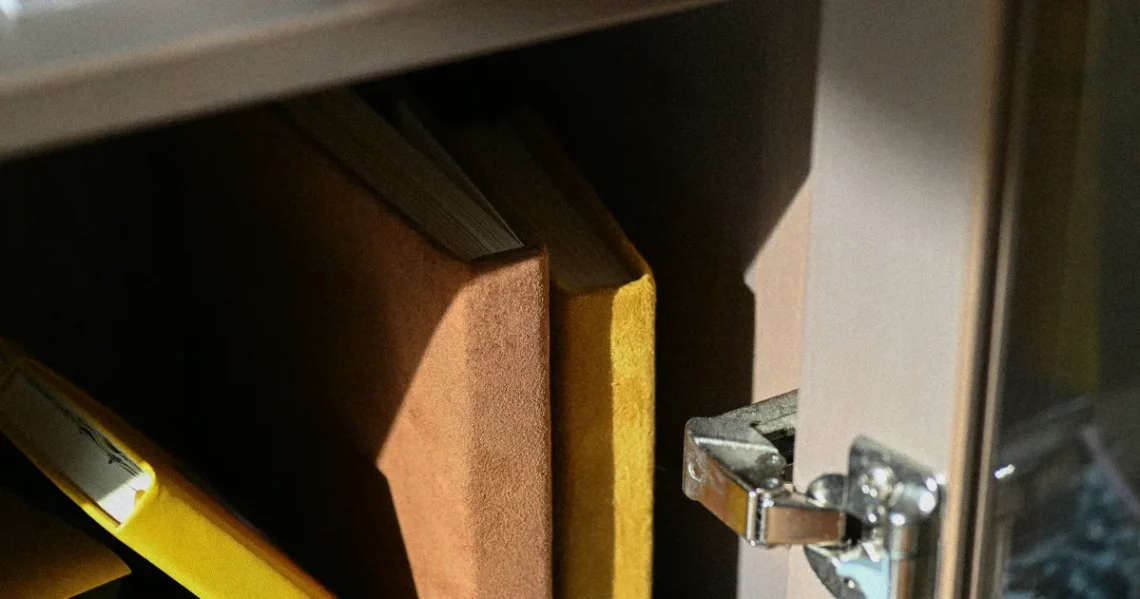
Another common problem is a door that simply won’t close properly, often a symptom of misalignment rather than hinge damage. This can be due to a hinge that has shifted slightly, or the cabinet box itself might have settled unevenly. In some cases, the hinge arm might be bent, or the hinge cup (for European-style hinges) might be pulling out of the door. Rust and corrosion can also impede hinge function, especially in humid environments like bathrooms, requiring thorough cleaning or replacement. A careful visual inspection, coupled with gently testing the door’s movement, will help you pinpoint the exact nature of the hinge malfunction.
Essential Tools and Materials for Hinge Fixes
Having the right tools on hand is key to a successful DIY emergency cabinet hinge repair at home. You’ll typically need a Phillips head screwdriver (and possibly a flathead), a drill with various small bits, and wood glue. For stripped screw holes, essential materials include wood filler, toothpicks or wooden matchsticks, and slightly longer or wider screws than the originals. A pair of pliers can be useful for straightening bent hinge plates, and a utility knife might be needed for trimming excess wood filler. Always ensure your screwdrivers are the correct size to prevent stripping the screw heads during removal or tightening, which can complicate the repair process.
Beyond the basic hand tools, consider having some sandpaper (fine grit) for smoothing out repaired wood surfaces and a clamping device for holding pieces together while glue dries. For more extensive damage, such as a completely detached hinge, you might need a small block of wood for reinforcement or even a specialized hinge repair plate. Keeping a small assortment of screws of varying lengths and gauges can also be incredibly helpful, as the original screws may not always be suitable for reinstallation after a repair. These readily available items ensure you’re prepared for most common cabinet hinge emergencies, allowing for prompt and effective solutions.
Step-by-Step Guide to Fixing Loose Hinges
Dealing with loose cabinet hinges often boils down to addressing stripped screw holes. First, carefully remove the cabinet door by unscrewing the hinges from both the cabinet frame and the door itself. This provides clear access to the damaged areas. Once the door is detached, examine the screw holes. If they appear enlarged or the wood fibers are simply worn, apply a small amount of wood glue into each stripped hole. Immediately insert toothpicks or wooden matchsticks into the glue-filled holes, breaking them off flush with the surface. Allow the glue to dry completely, which typically takes a few hours, creating a solid base for the screws.
After the glue has thoroughly cured, use a utility knife or sandpaper to ensure the surface is smooth and flush. Reattach the hinge plates to the door and then to the cabinet frame. Use new screws that are slightly longer or wider than the originals, or simply reuse the original screws if they are still in good condition, as they will now have new wood to grip onto. Drive the screws in slowly and carefully, ensuring they are snug but not overtightened, which could cause new stripping. This method effectively rebuilds the screw hole, providing a secure anchor for your cabinet hinges and preventing immediate recurrence of the problem, ensuring your cabinet doors remain firmly in place for years to come, especially as we approach 2026.
Advanced Techniques for Severely Damaged Wood
When screw holes are severely blown out or a larger section of wood around the hinge area is compromised, a simple toothpick fix might not suffice. In these cases, you’ll need to create a more substantial repair. One effective method involves cutting a small, perfectly sized wooden dowel and gluing it into the enlarged hole, ensuring a tight fit. Once the glue is dry, you can then redrill a pilot hole directly into the dowel, providing a fresh, strong foundation for your hinge screw. This technique is particularly useful for particle board or MDF cabinets where the material has crumbled significantly.
For extensive damage where a larger section of the cabinet frame or door panel is missing or disintegrated, a hinge repair plate or a wood patch might be necessary. Hinge repair plates are metal brackets designed to span over damaged areas, providing new screw points. Alternatively, you can cut a small piece of matching wood to fit snugly into the damaged area, secure it with wood glue and small brad nails, and then redrill for the hinge. This creates a robust and lasting repair, restoring the structural integrity needed for the cabinet hinge to function correctly, preventing future issues.
Addressing Sagging Cabinet Doors
Sagging cabinet doors are a common annoyance, often caused by loose hinges, but sometimes it’s an adjustment issue rather than a full repair. For European-style concealed hinges, most models feature three adjustment screws: one for depth (moving the door in or out), one for side-to-side alignment, and one for height. Start by identifying the height adjustment screw, which typically moves the door up or down. A slight turn can often bring a sagging door back into perfect alignment with its neighboring doors and the cabinet frame. Make small, incremental adjustments and check the door’s position after each turn to avoid over-correcting.
If adjusting the height screw doesn’t fully resolve the sag, or if you have traditional face-frame hinges, reinforcing the hinge’s attachment point is the next step. This involves applying the stripped screw hole repair techniques discussed earlier. Ensure all screws are securely fastened to both the cabinet door and the frame. For persistent sagging on heavier doors, consider installing an additional hinge, especially if the door currently only has two. Adding a third hinge in the middle can distribute the weight more evenly and provide extra support, significantly reducing sag and improving the door’s overall stability and longevity.
When to Replace Versus Repair Hinges
Deciding whether to repair or completely replace a cabinet hinge depends on the extent and nature of the damage. If the hinge itself is bent, cracked, rusted, or showing significant signs of wear and tear, replacement is often the most practical and durable solution. A damaged hinge mechanism cannot be effectively repaired and will likely fail again quickly, making a full replacement a worthwhile investment. This is especially true for specialized hinges like soft-close or fully adjustable European hinges, where individual components are not typically interchangeable or repairable. Investing in new hardware ensures optimal function and extends the life of your cabinets.
Conversely, if the hinge itself is intact and fully functional, but the problem lies solely with stripped screw holes or loose connections, then a repair is usually sufficient. Repairing screw holes with wood glue and dowels or toothpicks is a cost-effective way to restore stability without the expense of new hinges. Consider the age of your cabinets; if they are older and prone to frequent hinge issues, upgrading to modern, more durable hinges could be a beneficial long-term strategy. Always assess the structural integrity of both the hinge and the surrounding wood before making a decision in 2026, aiming for the most robust solution.
Preventative Maintenance for Lasting Hinges
Proactive maintenance is crucial for extending the lifespan of your cabinet hinges and preventing future emergency repairs. Regularly inspect all cabinet hinges for any signs of loosening screws, rust, or misalignment. A quick tightening of screws every six to twelve months can prevent many common problems before they escalate. Pay particular attention to frequently used cabinet doors, such as those in the kitchen or bathroom, as they endure more stress and wear than others. Keeping the hinges clean and free of grime also contributes to their smooth operation and longevity.
For optimal performance, periodically lubricate your hinges with a dry lubricant like graphite powder or a silicone spray. Avoid using oily lubricants, as they can attract dust and grime, creating a sticky residue that can impede hinge movement over time. Ensure cabinet doors are not overloaded or subjected to excessive force when opening or closing, as this can strain the hinges and lead to premature failure. Educating household members on gentle cabinet use also plays a significant role in preserving hinge integrity. By incorporating these simple maintenance habits, you can drastically reduce the likelihood of needing DIY emergency cabinet hinge repair at home.
Key Takeaways
- Accurately diagnose hinge problems before starting repairs.
- Gather all necessary tools and materials, including wood glue and toothpicks.
- Fix stripped screw holes by filling them with wood glue and wooden inserts.
- Adjust sagging doors using hinge adjustment screws or by reinforcing attachment points.
- Replace hinges if they are bent, cracked, or severely rusted; repair if only screw holes are damaged.
- Implement regular preventative maintenance, like tightening screws and lubrication, to extend hinge life.
Frequently Asked Questions
What causes cabinet hinges to loosen over time?
Cabinet hinges typically loosen over time due to repeated stress from opening and closing the doors, the natural expansion and contraction of wood with humidity changes, and vibrations. These factors can gradually enlarge the screw holes, causing the screws to lose their grip and the hinges to become unstable.
Can I use super glue instead of wood glue for stripped screw holes?
While super glue can offer a quick, temporary fix, it is generally not recommended for stripped screw holes in cabinet hinges. Super glue tends to be brittle and less flexible than wood glue, which cures stronger and creates a more resilient bond with the wood fibers, providing a more durable and lasting repair.
How do I know if my hinge is adjustable?
Most modern concealed (European-style) hinges are adjustable and will have visible screws on the hinge arm or mounting plate designed for side-to-side, height, and depth adjustments. Traditional face-frame hinges are less commonly adjustable, though some may offer limited side-to-side movement.
Is it possible to repair a bent hinge plate?
You can sometimes carefully straighten a slightly bent hinge plate using pliers, but significant bends or cracks often indicate metal fatigue. If the hinge is severely bent, it’s usually best to replace it entirely, as a straightened but weakened hinge might fail unexpectedly, especially with heavy cabinet doors.
What type of screws should I use for hinge repair?
For hinge repair, it’s best to use screws that are slightly longer or a slightly larger gauge than the original ones, as this allows them to grip into new, undisturbed wood fibers. Ensure the screw head matches your existing hinge and screwdriver type to prevent stripping during installation.
Conclusion
Successfully performing DIY emergency cabinet hinge repair at home is an empowering skill that can save you from unnecessary frustration and expense. By understanding the common causes of hinge failure, equipping yourself with basic tools, and following systematic repair techniques, you can effectively address issues like stripped screw holes and sagging doors. Remember, consistent preventative maintenance, such as routine tightening and lubrication, is the most effective way to ensure the longevity and smooth operation of your cabinet hinges for many years, well into 2026 and beyond. Taking a proactive approach not only keeps your cabinets in top condition but also enhances the overall functionality and aesthetics of your living space. Embrace these practical tips to maintain a well-ordered and efficient home.
- Home Repair Safety: Setting Up Your Secure Workspace
- How to Salvage and Sanitize Home Electronics After a Water Spill: Step-by-Step Guide
- Critical Tool Handling Safety Protocols for Emergency Repairs
- Essential Moisture Control Strategies: Prevent Mold in Your Home
- How to Safely Inspect Your Emergency Breaker Panel: A Guide