Emergency exterior wall stabilization methods are essential protocols designed to preserve the structural integrity of a building when its vertical support systems are compromised. In 2026, the construction industry has shifted toward high-tech diagnostic tools and rapid-deployment materials to address issues like soil subsidence, seismic damage, and hydrostatic pressure. These interventions serve as a critical bridge between the initial discovery of a structural defect and the final permanent repair. Property owners must act decisively when they notice signs of distress such as large diagonal cracks, bowing masonry, or shifting foundations. By employing advanced stabilization techniques, engineers can prevent catastrophic collapses that threaten public safety and property value. This comprehensive guide details the most effective strategies used by modern response teams to secure failing exterior walls under extreme pressure and tight deadlines.
Identifying Signs of Exterior Wall Failure
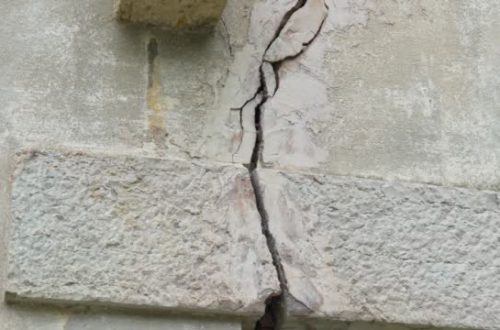
Before implementing emergency exterior wall stabilization methods, professionals must accurately diagnose the underlying cause of the structural movement. In 2026, structural engineers often utilize laser scanning and digital twin technology to monitor wall deflection in real-time, allowing for a precise understanding of how the load is shifting. Common indicators of failure include stair-step cracks in brickwork, bulging sections of siding, or gaps between the wall and the roofline. These symptoms often point to deep-seated issues such as expansive clay soils or poor drainage systems that exert excessive lateral pressure on the foundation. Early detection is paramount to minimize the scope of the emergency work and ensure the safety of all occupants within the structure.
The severity of wall failure is typically categorized by the rate of movement and the degree of deviation from the vertical plane. If a wall has moved more than two inches from its original position, it is often considered a high-risk scenario requiring immediate shoring. Environmental factors, such as record-breaking rainfall or localized seismic tremors, can accelerate these issues overnight. Once the risk is assessed, a structural engineer will provide a stamped plan that dictates which stabilization method is most appropriate for the specific materials involved. This phase of the project is crucial because an incorrect diagnosis can lead to further instability if the chosen stabilization method does not address the actual source of the mechanical failure.
Emergency Shoring and Raking Techniques
Shoring is perhaps the most traditional and widely used method for immediate stabilization during a structural crisis. Raking shores involve the use of heavy timber or steel beams placed at an angle to provide lateral support to a leaning wall. These beams are anchored into a sole plate on the ground and secured against a wall plate to distribute the load evenly across the failing surface. According to guidelines from FEMA, proper shoring must be installed by trained professionals to ensure that the weight is transferred safely to stable ground. This temporary solution prevents the wall from further outward movement while more permanent underpinning or reinforcement work is being prepared and executed by the construction crews.
In addition to raking shores, dead shoring is utilized when the vertical load-bearing capacity of the wall is in question. This involves placing vertical supports directly under the floor joists or roof beams to take the weight off the compromised exterior wall. Modern hydraulic shoring systems have become more prevalent in 2026, offering faster setup times and the ability to apply precise amounts of pressure to the structure. These systems are highly adjustable, making them ideal for complex architectural designs where standard timber bracing might be difficult to install. Regardless of the material used, the primary objective of shoring is to create a safe work zone so that long-term repairs can proceed without the threat of a sudden structural collapse.
Helical Piering for Foundation Support
Helical piers are a preferred choice for emergency exterior wall stabilization methods when the root cause of the problem is unstable soil or foundation settling. These steel shafts with screw-like plates are mechanically driven deep into the earth until they reach a load-bearing strata of soil or rock. Once anchored, the piers are attached to the exterior wall’s foundation using heavy-duty steel brackets. This process allows contractors to stabilize the wall and, in many cases, lift it back toward its original position. The speed of installation is a major advantage, as helical piers do not require the extensive excavation or curing time associated with traditional concrete underpinning methods used in previous decades.
The engineering behind helical systems is backed by the American Society of Civil Engineers, ensuring that these solutions meet rigorous safety standards even in emergency contexts. Because the piers are screwed into the ground, they produce minimal vibration, which is essential when working with a wall that is already on the verge of failure. In 2026, many helical systems are equipped with torque-monitoring sensors that provide instant feedback on the capacity of each pier, ensuring a data-driven approach to structural safety. This method is particularly effective for residential and light commercial buildings where the soil conditions are known to be problematic or prone to seasonal moisture fluctuations.
Advantages of Helical Systems in 2026
Modern helical pier systems offer unprecedented reliability for emergency stabilization due to their immediate load-bearing capabilities. Unlike concrete piers that require days to reach full strength, helical anchors can be loaded the moment they are installed. Furthermore, the equipment required for installation is often compact enough to fit into tight alleyways or crawlspaces, making it a versatile option for urban environments. The environmental impact is also significantly lower, as there is very little soil displacement or debris generated during the process. For property owners facing a structural emergency, the combination of speed, precision, and minimal site disruption makes helical piering a top-tier solution for restoring long-term stability to compromised exterior walls.
Carbon Fiber Reinforcement for Bowed Walls
When an exterior wall is bowing inward due to lateral pressure but has not yet reached the point of total failure, carbon fiber reinforcement is an excellent stabilization option. This method involves bonding high-tensile strength carbon fiber straps or grids to the interior surface of the exterior wall using industrial-strength epoxy. The material is incredibly thin yet stronger than steel, providing a non-invasive way to lock the wall in place and prevent further movement. Because carbon fiber does not rust or degrade over time, it is often considered a permanent solution that can be installed quickly during an emergency. It is especially effective for basement walls or masonry structures that are subjected to high hydrostatic pressure from saturated soil.
The application process for carbon fiber is highly technical and requires a clean, prepared surface to ensure a proper bond with the substrate. Once the epoxy cures, the carbon fiber straps become an integral part of the wall, distributing the load across a wider area and resisting the forces that cause bowing. In 2026, new hybrid carbon-aramid fibers have been introduced to provide even greater impact resistance and flexibility. This method is often preferred in finished spaces because the straps can be painted over or hidden behind drywall, leaving no visible trace of the structural repair. It is a cost-effective alternative to more invasive methods like wall anchors, which require excavation on the exterior of the property to install.
Soil Stabilization and Chemical Grouting
Sometimes the most effective way to stabilize a wall is to address the ground beneath it through chemical grouting or soil injection. This method involves injecting high-density polyurethane foam or structural resins into the soil through small-diameter probes. As the material expands, it fills voids, displaces water, and compacts the surrounding soil, creating a solid base for the exterior wall to rest upon. This technique is often used in emergency situations where a water main break or sudden sinkhole has undermined the foundation. The rapid expansion of the grout can provide immediate lift and stabilization, often reaching 90% of its full strength within minutes of the initial injection.
| Method | Application Speed | Longevity | Invasiveness |
|---|---|---|---|
| Timber Shoring | Moderate | Temporary | High |
| Helical Piers | Fast | Permanent | Moderate |
| Carbon Fiber | Fast | Permanent | Low |
| Chemical Grout | Very Fast | Long-term | Very Low |
Chemical grouting is highly valued for its ability to stop active water leaks and stabilize loose soils simultaneously. According to the National Institute of Building Sciences, the use of structural polymers has revolutionized how we handle emergency subsidence in urban centers. This method does not require heavy machinery or extensive digging, which is vital when a wall is too fragile to withstand the vibrations of traditional construction equipment. By improving the load-bearing capacity of the soil, chemical grouting addresses the root cause of the instability, ensuring that the exterior wall remains secure even during future environmental stresses or heavy rainfall events.
Professional Assessment and Safety Protocols
No emergency exterior wall stabilization methods should be attempted without a thorough assessment by a licensed structural engineer. The engineer’s role is to calculate the specific loads acting on the wall and design a stabilization plan that accounts for both the weight of the structure and external factors like wind and snow. In 2026, safety protocols have become more stringent, requiring continuous monitoring of the site during the stabilization process to protect workers and the public. This often involves the use of tiltmeters and vibration sensors that trigger alarms if movement exceeds a predetermined threshold. Professional oversight ensures that the stabilization efforts do not inadvertently cause damage to other parts of the building or neighboring properties.
Documentation is another critical aspect of the professional assessment process, particularly for insurance claims and building permits. A detailed report outlining the findings, the chosen stabilization method, and the expected outcome is necessary for long-term property management. Following the emergency stabilization, the engineer will typically recommend a schedule for permanent repairs and future inspections to ensure the wall remains secure. Property owners should always verify the credentials and insurance of the contractors they hire, as structural work carries significant liability. By adhering to established engineering principles and safety standards, the risk of a catastrophic failure is virtually eliminated, providing peace of mind for everyone involved in the restoration project.
Key Takeaways
- Immediate identification of cracks and bowing is essential for preventing wall collapse.
- Helical piers provide rapid, permanent foundation support with minimal site vibration.
- Carbon fiber reinforcement offers a low-profile solution for stabilizing bowed masonry walls.
- Chemical grouting addresses soil instability and void filling without extensive excavation.
- Professional engineering oversight is mandatory to ensure safety and regulatory compliance.
- Advanced diagnostic tools in 2026 allow for real-time monitoring of structural movement.
Frequently Asked Questions
How long does emergency wall stabilization usually take?
Most emergency stabilization projects can be secured within 24 to 48 hours depending on the method used. Shoring and chemical grouting are typically the fastest options, while helical piers may take a few days if the site is complex. The primary goal is to reach a “safe state” as quickly as possible to prevent further damage.
Is emergency stabilization a permanent fix for my building?
While some methods like helical piers and carbon fiber are considered permanent, others like timber shoring are strictly temporary. A structural engineer will determine if the emergency measures need to be followed by more comprehensive reconstruction. In 2026, many emergency solutions are designed to last for the remaining life of the structure.
Will my insurance cover emergency exterior wall stabilization?
Coverage depends on the cause of the damage and the specifics of your policy. Many policies cover stabilization if the damage was caused by a sudden, covered peril like a storm or pipe burst. However, damage resulting from long-term neglect or gradual soil movement is often excluded, so it is vital to review your policy details.
Can I stay in my home while the walls are being stabilized?
This decision is made by the structural engineer and local building officials. If the wall is at high risk of collapse, an evacuation order may be issued until the initial shoring is complete. Once the structure is stabilized and deemed safe, residents are often allowed to return while permanent repairs are being finalized.
What is the most cost-effective stabilization method?
Carbon fiber reinforcement is often the most cost-effective for bowed walls because it requires less labor and no heavy equipment. However, the best method for your specific situation depends on the root cause of the failure. Addressing the problem early is always the best way to keep costs manageable and prevent a total rebuild.
Conclusion
Addressing structural instability requires a sophisticated understanding of emergency exterior wall stabilization methods and a commitment to professional engineering standards. As we move through 2026, the integration of advanced materials like carbon fiber and high-density polymers has made it possible to save structures that would have previously been condemned. By acting quickly and choosing the right stabilization technique, property owners can protect their investments and ensure the safety of the community. Always prioritize professional consultation to navigate the complexities of structural repair and achieve a lasting, secure result for your property.
- Emergency Fixes: Quick Stabilization for Broken Fixtures & Fittings
- How to Dry Wet Carpet Fast: Emergency Methods for Indoor Flooding
- How to Fix Low Water Pressure in Household Plumbing
- Essential Electrical Safety Checklist Before Fixing Home Appliances
- Hot Wall Switch? What To Do Immediately For Safety