Did you know that over 60% of homeowners experience an urgent repair situation annually, yet a staggering number feel unprepared to handle even the most basic issues? Understanding fundamental repair execution methods for urgent home situations isn’t just about saving money; it’s about ensuring your family’s safety and preventing minor inconveniences from escalating into catastrophic damage. This comprehensive guide, crafted by an SEO expert and senior content strategist dedicated to real-world solutions, will equip you with the practical knowledge and confidence to tackle common household emergencies head-on, empowering you to become your home’s first line of defense in 2026 and beyond.
Quick Answer: Basic repair execution methods for urgent home situations involve rapid assessment, prioritizing safety (shutting off water/power), and applying temporary fixes like patching leaks, securing broken elements, or bypassing faulty electrical circuits. Essential tools, a clear plan, and knowing when to call a professional are critical for mitigating damage and ensuring safety until permanent repairs can be made.
Safety First: Assessing Home Emergencies
Before attempting any repair, prioritizing safety is paramount. The initial moments of an urgent home situation require a calm, methodical approach to assessment. Identify potential hazards such as live electrical wires, slipping risks from water, or structural instability. Your immediate actions should focus on protecting yourself and your family. Locate and shut off main utility supplies, like the water main valve or the electrical breaker for the affected area. This crucial step prevents further damage and significantly reduces the risk of injury while you evaluate the problem.
Once the immediate danger is contained, a thorough assessment helps in planning your next steps. Observe the source and extent of the damage. Is it a slow leak or a burst pipe? A flickering light or a complete power outage? Gathering these details will inform the basic repair execution methods you choose. Always wear appropriate personal protective equipment, such as gloves and eye protection, especially when dealing with water, broken glass, or electrical components. Understanding the situation fully before acting is the cornerstone of effective emergency home repair.
Tackling Water Leaks and Plumbing Crises
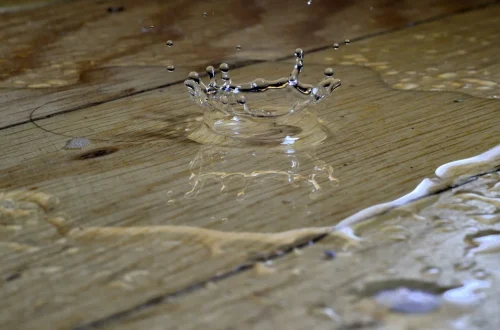
Water damage can rapidly spread, making quick action essential for plumbing emergencies. The first step is always to shut off the water supply, either at the fixture’s stopcock or the main house valve. For minor leaks, a temporary patch can often suffice. Materials like rubber patches, pipe clamps, or even epoxy putty can provide a short-term seal on leaking pipes. Ensure the pipe surface is dry and clean before applying any sealant for maximum adhesion and effectiveness. Knowing where your main shut-off valve is located is critical for effective basic repair execution methods.
Temporary Pipe Repair Techniques
When faced with a burst pipe, temporary solutions can prevent extensive water damage while you await professional help. For small holes or cracks, a sturdy rubber patch secured with hose clamps can create a surprisingly effective seal. Alternatively, self-fusing silicone tape, often found in home improvement stores, can be tightly wrapped around the damaged section, creating a watertight barrier. These methods are not permanent fixes but buy valuable time, allowing you to mitigate immediate risks. Always ensure the water pressure is off before attempting any pipe repair.
Addressing Electrical Glitches Safely
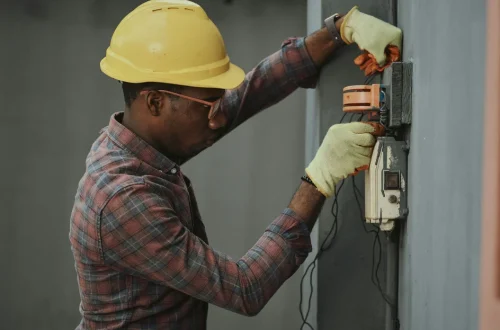
Electrical issues demand extreme caution due to the risk of shock and fire. If an outlet sparks or a circuit breaker trips repeatedly, the initial action is to turn off the power to that specific circuit at your electrical panel. Never touch exposed wires or attempt repairs on live circuits. For a tripped breaker, simply flipping it back on after ensuring the offending appliance is unplugged might resolve the issue. If it trips again, there’s a deeper problem requiring professional attention. For more information on electrical safety, consult resources like the Electrical Safety Foundation International.
For minor non-electrical issues, such as a loose switch plate or a non-functioning light fixture that doesn’t involve wiring, ensure the power is off at the breaker before proceeding. Tighten screws, replace bulbs, or check connections carefully. However, for any humming sounds, burning smells, or persistent power failures, your basic repair execution methods should include calling a certified electrician immediately. Attempting to fix complex electrical problems without expertise is incredibly dangerous and should be avoided at all costs, prioritizing safety above all else, especially in 2026.
Securing Your Home: Structural & Glass Fixes
When structural damage occurs, such as a broken window or a compromised door, immediate security and weatherproofing are crucial. For a broken window, carefully remove any loose glass shards while wearing thick gloves and eye protection. Then, cover the opening with heavy-duty plastic sheeting, plywood, or even thick cardboard, securing it firmly with duct tape or screws. This temporary barrier protects against the elements and prevents unauthorized entry. Always be mindful of sharp edges and potential falling debris during this process.
Damaged doors, whether from forced entry or accidental impact, also require prompt attention. If a door frame is splintered, a temporary repair can involve screwing a metal mending plate over the damaged section to add stability. For a door that won’t latch, a shim or a temporary brace can hold it closed. These basic repair execution methods focus on restoring a sense of security and preventing further damage until professional repairs can be arranged. Remember, these are temporary solutions designed to provide immediate relief and safety.
Quick Fixes for HVAC & Appliance Woes
HVAC systems and major appliances often malfunction at the most inconvenient times. For a non-cooling refrigerator, first check if it’s plugged in, the thermostat setting, and if the condenser coils are dirty. A quick vacuum of the coils can often restore cooling. For a furnace that isn’t heating, ensure the thermostat is set correctly and check the air filter; a clogged filter can severely restrict airflow and cause the system to shut down. Replacing a dirty filter is a simple yet effective basic repair execution method.
Many appliance issues can be resolved by simply resetting them. Unplugging an appliance for a few minutes and then plugging it back in can clear minor electronic glitches. For garbage disposals, if they hum but don’t spin, often a small wrench can be inserted into the bottom center hole to manually turn the blades, freeing them from obstructions. Always turn off the power before reaching into any appliance. These quick diagnostic and repair steps can save you time and the expense of a service call for minor issues in 2026.
Key Takeaways
- Prioritize safety by shutting off utilities (water, electricity) before attempting any urgent home repair.
- Temporary fixes like patching leaks or securing broken elements are crucial for mitigating immediate damage.
- Always have essential tools on hand, including a flashlight, gloves, basic wrenches, and duct tape.
- Know when to call a professional; complex electrical, gas, or structural issues require expert intervention.
Frequently Asked Questions
What is the most common urgent home repair homeowners face?
Water leaks, particularly from pipes or overflowing toilets, are among the most frequently reported urgent home repairs. These can cause extensive damage quickly if not addressed immediately, highlighting the importance of knowing basic repair execution methods for urgent home situations.
What essential tools should I have for emergency home repairs?
A well-stocked emergency toolkit should include a flashlight, adjustable wrench, pliers, screwdriver set, duct tape, electrical tape, work gloves, safety glasses, and a utility knife. Having these readily available can make a significant difference.
How long do temporary fixes typically last?
Temporary fixes are designed to last from a few hours to a few days, providing enough time to arrange for permanent repairs. They are not intended as long-term solutions and should be monitored closely to ensure they hold until a professional can fix the issue permanently.
When should I absolutely call a professional for an urgent home situation?
You should always call a professional for natural gas leaks, major electrical problems (beyond a tripped breaker), significant structural damage, or burst pipes that you cannot quickly contain. These situations pose severe risks to safety and property.
Conclusion
Mastering basic repair execution methods for urgent home situations provides peace of mind and tangible benefits, from saving money to enhancing safety. By understanding how to assess, contain, and apply temporary fixes, you empower yourself to manage unexpected household crises effectively. Remember, preparedness is key, and while these methods offer immediate relief, always plan for professional, permanent solutions. Your proactive approach today ensures a safer, more resilient home tomorrow.
Final Thoughts
Being prepared for unexpected home emergencies isn’t just about having the right tools; it’s about having the right mindset. We hope this guide has instilled confidence and provided practical steps for handling those urgent moments. What’s one basic home repair skill you wish you had learned earlier? Share your experiences and tips in the comments below – your insights could help another homeowner in a pinch!