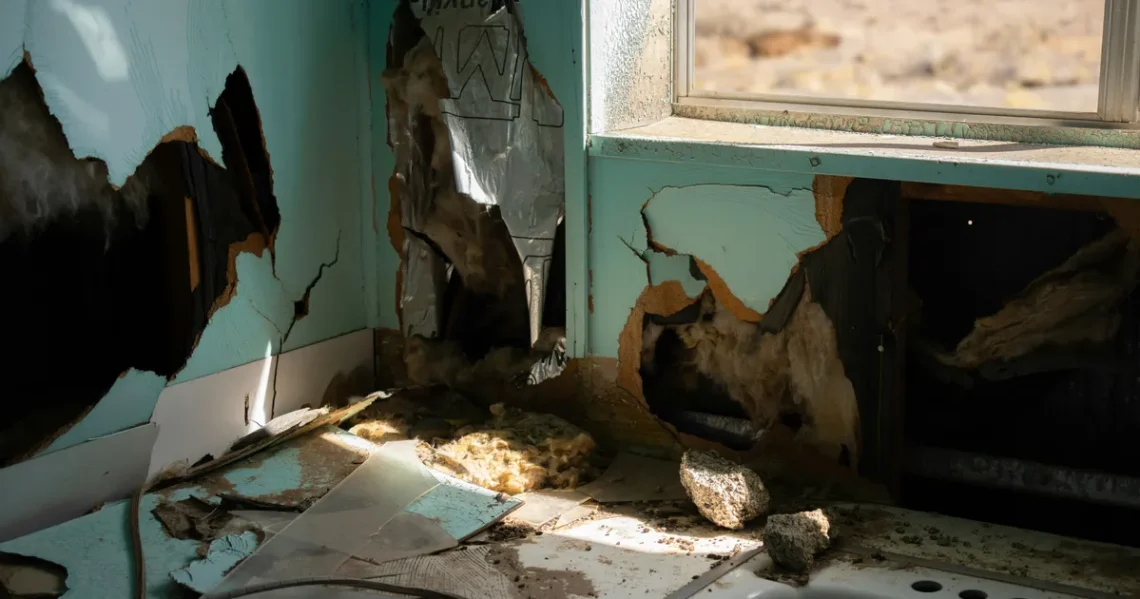
Did you know that water damage is one of the most common and costly homeowner insurance claims, often exceeding fire and theft? Effectively managing such an event requires immediate and informed action. This comprehensive guide delves into essential water damage mitigation techniques for residential properties, providing actionable strategies to minimize destruction, prevent secondary issues like mold growth, and accelerate the recovery process. Whether it’s a burst pipe, a leaky roof, or a sudden flood, understanding these techniques is crucial for protecting your home and restoring peace of mind. Let’s equip you with the knowledge to respond decisively.
Quick Answer: Water damage mitigation involves immediate actions to prevent further damage after a water intrusion event. Key techniques include rapid water extraction, thorough drying and dehumidification, removal of compromised materials, and continuous moisture monitoring to prevent mold and structural issues in residential properties.
Immediate Response: The First Crucial Hours
The speed of your initial reaction significantly impacts the extent of water damage to your residential property. As soon as you discover water intrusion, the very first step is to identify and stop the source, whether it’s turning off the main water supply, patching a leak, or diverting exterior water. Prioritize safety by shutting off electricity to affected areas to prevent electrocution hazards, especially if water has reached outlets or appliances. Wearing appropriate personal protective equipment, such as gloves and boots, is also vital to protect against contaminated water and potential hazards.
Once the source is controlled and safety is ensured, begin removing standing water as quickly as possible. This might involve using wet/dry vacuums, pumps, or even buckets. The longer water sits, the more it saturates porous materials like drywall, flooring, and insulation, making restoration more complex and costly. Rapid water extraction is a cornerstone of effective water damage mitigation, drastically reducing drying times and inhibiting the growth of mold and mildew, which can begin within 24-48 hours. Don’t underestimate the power of a swift response.
Water Extraction and Structural Drying
Following the initial removal of standing water, thorough water extraction is critical. Professional-grade equipment, such as powerful truck-mounted or portable extractors, can remove significantly more moisture from carpets, padding, and subfloors than standard wet vacuums. This deep extraction process is crucial for preventing water from wicking up walls and saturating structural elements, which can lead to long-term issues like wood rot or weakened foundations. Even seemingly dry surfaces can harbor hidden moisture, necessitating specialized tools.
Structural drying is the subsequent phase, focusing on reducing the moisture content of affected materials to safe levels. This involves strategic placement of high-volume air movers (fans) to promote evaporation and industrial-grade dehumidifiers to remove moisture from the air. The drying process is often monitored using moisture meters to ensure that materials like wood, drywall, and concrete are completely dry, typically to pre-loss levels. Proper air circulation and consistent dehumidification are essential for effective water damage mitigation and preventing mold, a common concern for homeowners in 2026.
Advanced Moisture Detection
Modern water damage mitigation relies heavily on advanced moisture detection. Beyond surface-level checks, technicians use thermal imaging cameras to identify hidden pockets of moisture behind walls, under floors, and within ceilings that might not be visible to the naked eye. Non-penetrating moisture meters can assess moisture content in materials without causing further damage, while penetrating meters provide precise readings for denser materials. This technology ensures no moisture is left undetected, preventing future problems.
Dehumidification and Air Quality Control
Even after visible water is removed and materials appear dry, significant moisture can remain embedded within structural components and the ambient air. Dehumidification is paramount in drawing this hidden moisture out. Industrial-grade dehumidifiers work by pulling moisture from the air, preventing it from re-saturating materials and creating an environment where mold cannot thrive. Proper placement and sizing of dehumidifiers are crucial for efficient moisture removal, often requiring careful calculation based on the affected area’s size and humidity levels. This step directly supports effective water damage mitigation.
Maintaining optimal indoor air quality during and after water damage is equally important. As materials dry, they can release odors and microscopic particles, including potential mold spores. Air scrubbers with HEPA filtration are used to remove these airborne contaminants, allergens, and odors, ensuring a safe breathing environment for occupants. Additionally, antimicrobial treatments may be applied to surfaces to inhibit mold and bacterial growth, safeguarding the health of residents and the structural integrity of the property. For more information on indoor air quality, consider resources from the Environmental Protection Agency (EPA).
Content Restoration and Salvage
Beyond structural elements, personal belongings and household contents often suffer from water damage. Content restoration involves carefully assessing items to determine what can be salvaged and what must be discarded. Items like furniture, electronics, documents, and textiles require specialized cleaning, drying, and sometimes sanitization processes. For instance, delicate documents might undergo freeze-drying, while electronics may need professional decontamination and repair to prevent long-term corrosion. This meticulous approach helps preserve cherished possessions and reduces replacement costs.
The salvage process also includes inventorying all damaged items, a critical step for insurance claims. Detailed documentation, including photographs and descriptions of the damage, is essential for a smooth claims process. Often, salvageable contents are carefully packed out and transported to a specialized facility for cleaning, deodorization, and restoration, returning them to the homeowner once the property itself is fully restored. Prioritizing salvageable items effectively contributes to a comprehensive water damage mitigation strategy, minimizing overall loss.
Mold Prevention and Remediation
One of the most insidious secondary effects of water damage is mold growth, which can begin within 24-48 hours if moisture persists. Preventing mold is a primary objective of all water damage mitigation efforts. This involves not only thorough drying but also the application of antimicrobial solutions to surfaces that were exposed to water. These solutions create an environment hostile to mold spores, preventing them from colonizing and spreading throughout the property. Vigilance in drying is your best defense against future mold problems.
If mold has already begun to grow, professional mold remediation becomes necessary. This process involves isolating the affected area, removing contaminated materials, cleaning and treating surfaces, and using HEPA-filtered vacuums and air scrubbers to capture airborne spores. It’s crucial to address mold comprehensively, as improper removal can lead to recurrence and ongoing health issues. Always consult certified professionals for mold remediation, as outlined by organizations like the IICRC (Institute of Inspection, Cleaning and Restoration Certification), to ensure your home remains safe and healthy in 2026 and beyond.
Key Takeaways
- Rapid response and source control are paramount to minimizing the spread and severity of water damage.
- Thorough water extraction and structural drying are essential to prevent secondary damage like mold growth.
- Advanced moisture detection and dehumidification target hidden moisture, safeguarding your property’s integrity.
- Professional content restoration can salvage cherished belongings and reduce overall financial loss.
- Proactive mold prevention and expert remediation are critical for ensuring a healthy indoor environment.
Frequently Asked Questions
What’s the difference between water damage mitigation and restoration?
Water damage mitigation refers to the immediate actions taken to prevent further damage and stabilize the property after water intrusion, such as stopping the source, extracting water, and starting the drying process. Water damage restoration, on the other hand, encompasses the entire process of bringing the property back to its pre-loss condition, including repairs, reconstruction, and thorough cleaning, which typically follows mitigation.
How quickly does mold start to grow after water damage?
Mold can begin to grow within 24 to 48 hours of water exposure if moisture and organic food sources are present. This rapid growth underscores the critical importance of immediate and thorough drying in any water damage mitigation effort. Even if you don’t see mold, it can be developing in hidden areas like behind drywall or under flooring.
Can I handle water damage mitigation myself, or do I need professionals?
While minor water spills or leaks that are quickly contained might be manageable for homeowners, significant water damage, especially from contaminated sources or large quantities of water, almost always requires professional intervention. Professionals have specialized equipment for extraction, drying, dehumidification, and mold prevention, ensuring a thorough and safe restoration process. Attempting to DIY extensive damage can lead to hidden moisture, mold, and long-term structural problems.
What are the signs of hidden water damage?
Hidden water damage can manifest through several subtle signs, including musty odors, discoloration or warping of walls and floors, peeling paint, bubbling wallpaper, and sudden increases in your water bill. Sometimes, you might notice unexplained condensation on windows or a persistent damp feeling in certain areas. Thermal imaging and moisture meters are professional tools used to detect moisture that is not visible to the naked eye.
Conclusion
Navigating water damage can feel overwhelming, but armed with the right knowledge, homeowners can significantly mitigate its impact. Implementing effective water damage mitigation techniques for residential properties, from immediate extraction to thorough drying and mold prevention, protects your investment and ensures a healthy living environment. Remember, swift action and professional expertise are your strongest allies in safeguarding your home against water’s destructive power. Taking these steps today can prevent costly issues in 2026 and beyond, allowing you to restore your property with confidence.
- Home Repair Safety: Setting Up Your Secure Workspace
- How to Dry Wet Fiberglass Insulation Inside Wall Cavities
- How to Safely Handle Broken Material Before Asbestos Testing
- Safe Ladder Positioning Techniques for Roof Access: A Step-by-Step Guide
- How to Quickly Fix a Jammed Sliding Glass Patio Door in an Emergency