Emergency carpet drying methods after indoor flooding are the most critical interventions a homeowner can perform during the first 24 to 48 hours of a water-related disaster. Whether the source is a burst pipe, a leaking appliance, or heavy rainfall, the speed of your response determines if your flooring can be salvaged or if it must be replaced entirely. In 2026, advanced moisture detection tools have become more accessible, yet the fundamental principles of extraction and evaporation remain the cornerstone of successful restoration. Delaying action allows moisture to seep into the subfloor, creating a breeding ground for pathogenic mold and compromising the structural integrity of the property. This guide explores the most effective, industry-approved strategies to mitigate damage and restore a healthy indoor environment quickly.
Initial Assessment and Safety Protocols
Before initiating any emergency carpet drying methods after indoor flooding, you must categorize the water source to ensure personal safety. The industry standard, as defined by organizations like the IICRC, classifies water into three categories based on contamination levels. Category 1 is clean water from broken pipes, while Category 3, or black water, contains sewage and poses severe health risks. In 2026, homeowners should prioritize professional remediation for any Category 2 or 3 events to avoid exposure to bacteria and viruses. Assessing the situation correctly prevents the spread of contaminants throughout the rest of your living space and guides your choice of protective equipment.
Safety extends beyond biological hazards to include the risk of electrical shock in a saturated environment. Before stepping onto a wet carpet, ensure that all power outlets in the affected area are deactivated via the main circuit breaker. Water is an excellent conductor, and submerged extension cords or power strips can turn a flooded room into a lethal hazard. Additionally, move any wooden furniture or metal items off the carpet immediately to prevent permanent staining from wood tannins or rust. Using aluminum foil or plastic blocks under furniture legs can protect both the flooring and your belongings while you prepare for the extraction phase of the restoration process.
High-Volume Water Extraction Strategies
The most effective way to accelerate the drying process is to remove as much liquid water as possible through mechanical extraction. Using a high-powered wet-dry vacuum is the first line of defense for most DIY emergency carpet drying methods after indoor flooding. You should move the vacuum wand slowly across the carpet fibers, applying firm downward pressure to pull moisture from the deep pile and the underlying padding. Standard household vacuums are insufficient for this task and can be destroyed by water intake, so renting industrial-grade extractors is often necessary for significant floods. This phase is crucial because evaporation alone cannot handle large volumes of standing water.
For larger areas, weighted extraction tools, often referred to as “water claws,” are used by professionals to pull water directly from the carpet pad without removing the carpet itself. If you are managing the process yourself, repeat the extraction passes multiple times until no more water is visible in the vacuum’s recovery tank. Even after the surface feels relatively dry to the touch, the padding underneath may still hold several gallons of liquid. In 2026, many local hardware stores offer advanced rental units that mimic professional suction power, making it easier for residents to begin the mitigation process before a restoration team arrives on the scene.
Maximizing Evaporation with Air Movement
Once the bulk of the water is extracted, the focus shifts to evaporation through high-velocity air movement. Standard ceiling fans or small oscillating house fans are generally inadequate for drying dense carpet fibers and saturated subfloors. Instead, you should utilize industrial air movers that are designed to blow air at a high static pressure across the surface of the floor. This rapid airflow breaks the boundary layer of moisture sitting on the carpet, forcing it into the air where it can be managed by a dehumidifier. Proper air circulation must be maintained for at least 72 hours to ensure total dryness.
Optimal Positioning for Fast Drying
To achieve the best results, place air movers every 10 to 15 feet along the walls, directing the airflow at a 45-degree angle toward the center of the room. This creates a “vortex” effect that keeps air constantly circulating across the wet surface. If the water has reached the walls, you may need to lift the edge of the carpet and tuck the snout of the air mover underneath to “float” the carpet. This technique allows air to reach the padding and the subfloor directly, which are often the hardest areas to dry. Consistent monitoring of the air temperature is also vital, as warmer air can hold more moisture than cool air.
Effective evaporation requires a balanced environment, which is why dehumidification is the necessary partner to air movement. Without a dehumidifier, the air in the room will quickly become saturated, reaching 100% relative humidity and halting the drying process entirely. Low Grain Refrigerant (LGR) dehumidifiers are the preferred choice in 2026 for water damage restoration because they can remove moisture even in very dry or cool conditions. By pulling water vapor out of the air and pumping it into a drain, these machines maintain a “thirsty” atmosphere that continuously pulls moisture out of the carpet and structural materials.
Managing Carpet Padding and Subflooring
One of the most difficult aspects of emergency carpet drying methods after indoor flooding is dealing with the carpet pad. Most pads are made of open-cell foam, which acts like a giant sponge, trapped between the carpet backing and the subfloor. If the flood involves gray or black water, the padding must be removed and discarded immediately, as it cannot be effectively sanitized. Even with clean water, if the pad cannot be dried within 48 hours, it is often more cost-effective and safer to replace the padding rather than risking mold growth. Removing the pad also allows for much faster drying of the subfloor.
The subfloor itself, whether it is plywood, OSB, or concrete, requires careful attention to prevent long-term structural issues. Wood-based subfloors can swell, warp, or delaminate if they remain wet for too long, leading to uneven flooring and potential rot. You should use a moisture meter to check the levels in the subfloor throughout the drying process. According to the Environmental Protection Agency, mold can begin to grow on damp surfaces within 24 to 48 hours. Therefore, ensuring the subfloor reaches its dry standard is just as important as drying the visible carpet fibers to maintain a healthy home environment.
Sanitization and Odor Control Measures
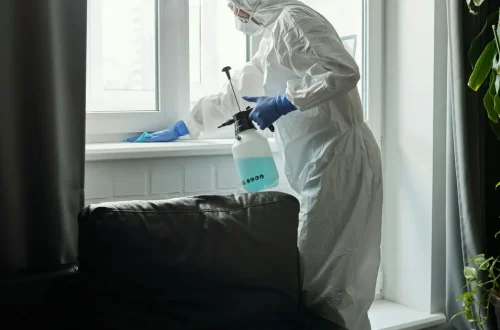
After the carpet is dry, the next step in the restoration process is sanitizing the fibers to prevent odors and microbial growth. Even clean water can become “gray” quickly as it mixes with dust, skin cells, and pet dander trapped in the carpet. Applying a hospital-grade antimicrobial treatment is a standard part of emergency carpet drying methods after indoor flooding. These solutions are designed to kill bacteria and inhibit the growth of mold spores that may have been activated by the moisture. In 2026, many botanical-based disinfectants are available that provide high-level sanitization without the use of harsh synthetic chemicals or volatile organic compounds.
Odor control is often the final hurdle in a successful restoration project. If a musty smell persists after the carpet is dry, it is a strong indicator that moisture remains trapped in the walls, baseboards, or padding. Do not attempt to mask the smell with scented powders or sprays, as these can trap moisture and provide a food source for mold. Instead, use HEPA air scrubbers to remove airborne spores and particles. If the odor remains, a professional deep cleaning using hot water extraction (steam cleaning) may be necessary to remove any residual contaminants that the initial flood and drying process left behind in the carpet pile.
Comparing Restoration Tools and Methods
Choosing the right equipment is essential for a successful outcome when dealing with water damage. The evolution of restoration technology in 2026 has provided homeowners with more powerful DIY options, but understanding the limitations of each tool is key. While a shop vac might handle a small spill from a tipped bucket, it is fundamentally incapable of managing the gallons of water held in a fully saturated carpet and pad. The following table compares common tools used during the drying process to help you determine which resources are necessary for your specific situation and the level of efficiency they provide.
| Equipment Type | Primary Purpose | Efficiency Level |
|---|---|---|
| Wet-Dry Vacuum | Initial bulk water removal | Moderate |
| Industrial Air Mover | High-speed surface evaporation | High |
| LGR Dehumidifier | Removing moisture from the air | Critical |
| Moisture Meter | Detecting hidden pockets of water | Essential |
| HEPA Air Scrubber | Filtering mold spores and odors | Supplemental |
Ultimately, the decision to handle the drying process yourself or hire a professional depends on the scale of the flood and the category of the water. Small, clean-water leaks are often manageable with rented equipment and diligent monitoring. However, large-scale flooding that affects multiple rooms or involves contaminated water requires professional expertise and heavy-duty machinery. Professionals have access to thermal imaging cameras that can see moisture behind walls and under floors that a standard moisture meter might miss. Investing in the right methods early will save thousands of dollars in reconstruction costs and protect the long-term value of your property.
Key Takeaways
- Respond within the first 24 hours to significantly increase the chances of saving your carpet.
- Always turn off electricity in flooded areas to prevent the risk of lethal shocks.
- Extraction is 1,200 times more efficient than evaporation; remove as much liquid water as possible first.
- Use industrial air movers and LGR dehumidifiers together to create a controlled drying environment.
- Discard carpet padding if the water is contaminated or if it cannot be dried within 48 hours.
- Monitor the drying progress with a moisture meter to ensure the subfloor is completely dry.
Frequently Asked Questions
How long does it take for a carpet to dry after a flood?
In most cases, a carpet will take between 72 and 96 hours to dry completely when using industrial-grade air movers and dehumidifiers. Factors such as the thickness of the carpet, the type of padding, and the ambient humidity in the home can all influence the total time required for the flooring to reach its dry standard.
Can I use a hair dryer to dry my wet carpet?
No, using a hair dryer is not recommended for drying carpets after a flood. Hair dryers lack the necessary airflow volume to move moisture out of the fibers and can actually damage the carpet backing or fibers due to concentrated heat. They are only suitable for very small spots, not for emergency carpet drying methods after indoor flooding.
Is it necessary to pull up the carpet to dry it?
If the padding underneath is saturated, it is often necessary to pull up the carpet to allow air to reach the subfloor and the pad. This is known as “floating” the carpet. If the water is clean and you have high-powered extraction equipment, you might be able to dry it in place, but pulling it up is usually more effective.
What are the signs of mold growth in a wet carpet?
The most common signs of mold growth include a persistent musty or earthy odor, visible discoloration (black, green, or white spots), and an increase in allergy symptoms for the occupants. If you notice any of these signs, the carpet and padding should likely be removed and replaced by a professional remediation team.
Does homeowner insurance cover carpet drying costs?
Many homeowner insurance policies cover water damage restoration, including carpet drying, if the cause is sudden and accidental, such as a burst pipe. However, damage from rising floodwaters typically requires a separate flood insurance policy. You should document the damage with photos and contact your agent immediately to start a claim.
Conclusion
Implementing effective emergency carpet drying methods after indoor flooding is a race against time. By focusing on rapid extraction, aggressive air movement, and professional-grade dehumidification, you can mitigate the long-term risks of mold and structural decay. In 2026, the availability of advanced monitoring tools allows for a more scientific approach to restoration, ensuring that no hidden moisture is left behind. Whether you choose to manage the process yourself or call in experts, the goal remains the same: a dry, safe, and healthy home. Taking decisive action today will protect your investment and provide peace of mind for years to come.
- Prevent Household Plumbing Emergencies with Smart Overflow Control
- DIY Emergency Cabinet Hinge Repair: Fix It Fast At Home
- Quick Fix Guide: Temporarily Seal a Leaking Water Heater Drain Valve
- How to Prevent Mold Growth After Water Damage
- Flood Impact Restoration: Immediate Action & Full Recovery Process