Did you know that water damage from plumbing failures is one of the most common and costly homeowner insurance claims, often exceeding fire and theft? A burst pipe, an overflowing toilet, or a leaking water heater can unleash hundreds of gallons of water in minutes, causing thousands of dollars in structural damage, mold growth, and property loss. Understanding and implementing effective overflow control solutions for household plumbing emergencies isn’t just about convenience; it’s about safeguarding your home and peace of mind. This comprehensive guide will equip you with expert strategies and cutting-edge technologies to prevent plumbing disasters before they even begin, saving you immense stress and expense in the long run.
For immediate overflow control in household plumbing emergencies, the best solutions involve a multi-layered approach: installing automatic water shut-off valves at main lines and critical appliances, utilizing leak detection sensors in high-risk areas, regularly maintaining plumbing fixtures, and knowing how to manually shut off your home’s water supply quickly. These proactive measures minimize damage and provide rapid response capabilities.
Understanding Common Overflow Risks
Household plumbing emergencies can manifest in various forms, each posing a unique threat to your home’s integrity. Common culprits include burst pipes, often triggered by freezing temperatures or age, which can gush water at an astonishing rate. Clogged drains, particularly in sinks and toilets, frequently lead to overflows if not addressed promptly, especially when exacerbated by foreign objects or grease buildup. Furthermore, appliances like water heaters and washing machines are notorious for developing leaks or rupturing, sending significant volumes of water across floors and into walls, demanding immediate attention to mitigate potential disaster.
The aftermath of a plumbing overflow extends far beyond inconvenience; it leads to devastating and expensive consequences. Water damage compromises structural elements such as drywall, flooring, and foundations, creating costly repair bills. The persistent dampness often fosters rapid mold growth, posing serious health risks and requiring specialized remediation. Moreover, water intrusion can short-circuit electrical systems, creating fire hazards or making areas unsafe. Proactive strategies for overflow control are therefore paramount, transforming potential catastrophes into manageable incidents and preserving your home’s value and safety.
Smart Leak Detection Systems
Modern smart leak detection systems represent a significant leap forward in preventing extensive water damage. These innovative devices utilize sensors strategically placed in high-risk areas, such as under sinks, near water heaters, washing machines, and toilets. When these sensors detect moisture, even a small amount, they immediately trigger an alert. Some systems employ acoustic sensors to identify the subtle sounds of running water where it shouldn’t be, offering an early warning for hidden leaks within walls, giving homeowners precious time to intervene before a minor drip escalates into a major flood.
The true power of smart leak detection lies in its connectivity and real-time alerts. Many systems integrate seamlessly with your home’s Wi-Fi, sending instant notifications directly to your smartphone via a dedicated app, no matter where you are. This remote monitoring capability means you can be alerted to a potential problem even when away from home, allowing you to contact a neighbor or a plumber promptly. As we move into 2026, these smart solutions are becoming increasingly sophisticated, empowering homeowners with unprecedented control over their plumbing health.
Automatic Water Shut-Off Valves
Automatic water shut-off valves are arguably the most robust overflow control solutions for household plumbing emergencies, acting as the ultimate safeguard. These ingenious devices are installed directly on your home’s main water supply line or at individual appliances. Upon detecting a leak or an unusual flow rate, the valve automatically closes, cutting off the water supply to the entire house or the specific appliance. This immediate response is crucial, as it can stop hundreds of gallons of water from spilling into your home, drastically reducing potential damage and preventing a minor leak from becoming a catastrophic flood.
The installation of an automatic shut-off valve is a significant investment in your home’s protection, paying dividends by preventing costly repairs and insurance claims. These systems come in various forms, from those that monitor continuous flow rates indicative of a burst pipe, to those integrated with leak detection sensors that trigger closure upon contact with water. The peace of mind afforded by knowing your home has this critical layer of defense, especially when you’re away on vacation or at work, is invaluable. For comprehensive home protection in 2026, these valves are essential.
Types of Automatic Shut-Off Valves
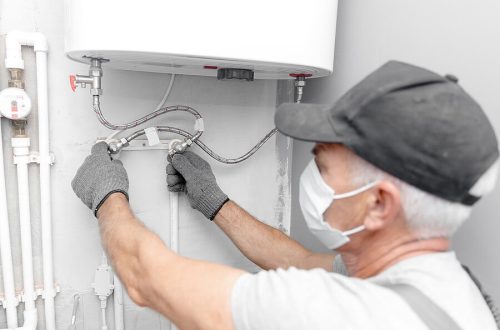
There are generally two primary categories of automatic shut-off valves: whole-home systems and point-of-use systems. Whole-home systems are installed at the main water line entry point and monitor the entire property’s water flow, shutting off the supply if an anomaly is detected. Point-of-use valves, conversely, are installed directly on specific appliances like water heaters or washing machines, offering localized protection. Some advanced models even learn your water usage patterns, flagging unusual consumption as a potential leak, providing intelligent and adaptive protection.
Regular Maintenance & Prevention
While technology offers powerful reactive solutions, proactive regular maintenance remains the cornerstone of effective overflow control. Neglecting your plumbing system is an open invitation for emergencies. Scheduling annual professional plumbing inspections ensures that potential issues like corroded pipes, failing seals, or sediment buildup in water heaters are identified and addressed before they escalate into costly leaks or bursts. A skilled plumber can spot worn components and recommend preventative repairs, significantly extending the lifespan of your plumbing infrastructure and averting sudden failures. For more insights into maintaining a healthy plumbing system, resources like the American Society of Plumbing Engineers offer valuable professional perspectives.
Beyond professional check-ups, homeowners can adopt several DIY practices to minimize overflow risks. Regularly inspect appliance hoses for cracks or bulges, replacing them every 3-5 years. Avoid pouring grease down drains and use drain screens to prevent clogs. Most importantly, everyone in the household should know the location of the main water shut-off valve and how to operate it quickly. Practicing a rapid manual shut-off during a non-emergency can save precious minutes when a real crisis strikes. For further guidance, consider resources like the EPA’s WaterSense program.
Emergency Preparedness & Response
Even with the best overflow control solutions for household plumbing emergencies, accidents can still happen, making preparedness absolutely vital. Every member of your household should know the exact location of the main water shut-off valve and how to turn it off quickly. This valve is typically found where the main water line enters your home, often in the basement, utility closet, or outside near the meter. Keep the area around it clear and ensure the valve operates smoothly. Having a basic emergency kit, including a wrench for the shut-off valve, old towels, and buckets, readily accessible can make a significant difference in minimizing damage.
When an overflow emergency strikes, rapid response is key to mitigating damage. First and foremost, immediately shut off the main water supply to your home. If the leak is localized to an appliance, and you know its specific shut-off valve, use that first. Next, contact a qualified plumber without delay. While waiting for professional help, begin safely removing standing water using mops, towels, or wet vacuums. Document the damage with photos or videos for insurance purposes. Acting swiftly and methodically can dramatically reduce the extent of water damage and subsequent repair costs.
Key Takeaways
- Proactive overflow control solutions like leak detection and automatic shut-off valves are crucial for preventing costly household water damage.
- Regular professional plumbing maintenance and DIY checks significantly reduce the risk of unexpected plumbing emergencies.
- Knowing the location and operation of your home’s main water shut-off valve is the single most important emergency response skill for every homeowner.
- Integrating smart home technology for water monitoring provides real-time alerts and remote control, enhancing overall plumbing security.
Frequently Asked Questions
What is the most effective way to prevent a major plumbing flood?
The most effective strategy combines automatic water shut-off valves, which instantly cut off the water supply when a leak is detected, with smart leak detection sensors placed in vulnerable areas. Regular professional inspections also play a critical role in identifying and rectifying potential issues before they escalate into major floods.
Are smart leak detectors worth the investment?
Absolutely. Smart leak detectors are a highly worthwhile investment. They provide early warning of even minor leaks, sending alerts directly to your phone, allowing for timely intervention that can prevent thousands of dollars in water damage, mold remediation, and and structural repairs. Their ability to monitor your home 24/7 offers invaluable peace of mind.
How often should I check my plumbing for potential overflows?
You should conduct a quick visual inspection of exposed pipes, under sinks, and around appliances monthly. For a more thorough assessment, schedule a professional plumbing inspection annually. Replace appliance hoses (washing machine, dishwasher) every 3-5 years, regardless of apparent condition, as a preventative measure.
Can I install an automatic water shut-off valve myself?
While some handy homeowners might attempt it, installing an automatic water shut-off valve, especially on the main water line, is best left to a licensed and experienced plumber. Incorrect installation can lead to leaks, system malfunctions, or even damage to your home’s water supply. Professional installation ensures proper function and adherence to local codes.
Conclusion
Investing in robust overflow control solutions for household plumbing emergencies is a non-negotiable aspect of modern homeownership. From smart leak detectors and automatic shut-off valves to diligent maintenance and emergency preparedness, each layer of defense contributes to a secure and resilient home. By implementing these expert strategies, you’re not just preventing water damage; you’re protecting your most valuable asset and ensuring peace of mind. What steps will you take today to fortify your home against plumbing disasters? Share your thoughts and experiences in the comments below!
- Mastering Home Repair Safety: Risk Assessment & Compliance Standards
- Emergency Fixes: Quick Stabilization for Broken Fixtures & Fittings
- Emergency Wall Repair: Quick Temporary Patches for Instant Fixes
- Flood Impact Restoration: Immediate Action & Full Recovery Process
- How to Fix a Sagging Garage Ceiling: Support Repair Guide for Minor Sagging